Last updated October 30, 2026
 House lockouts
 Re-keying
 Deadbolt upgrades
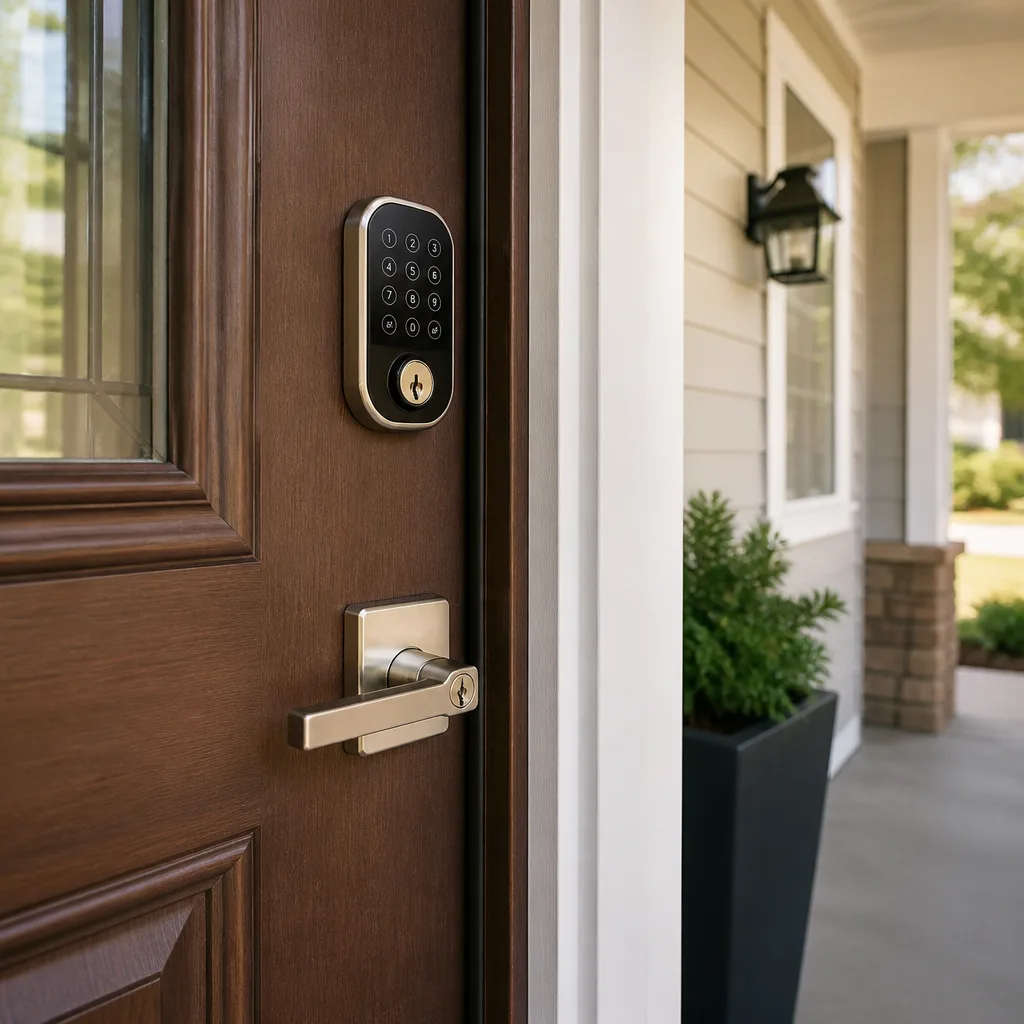 Smart locks
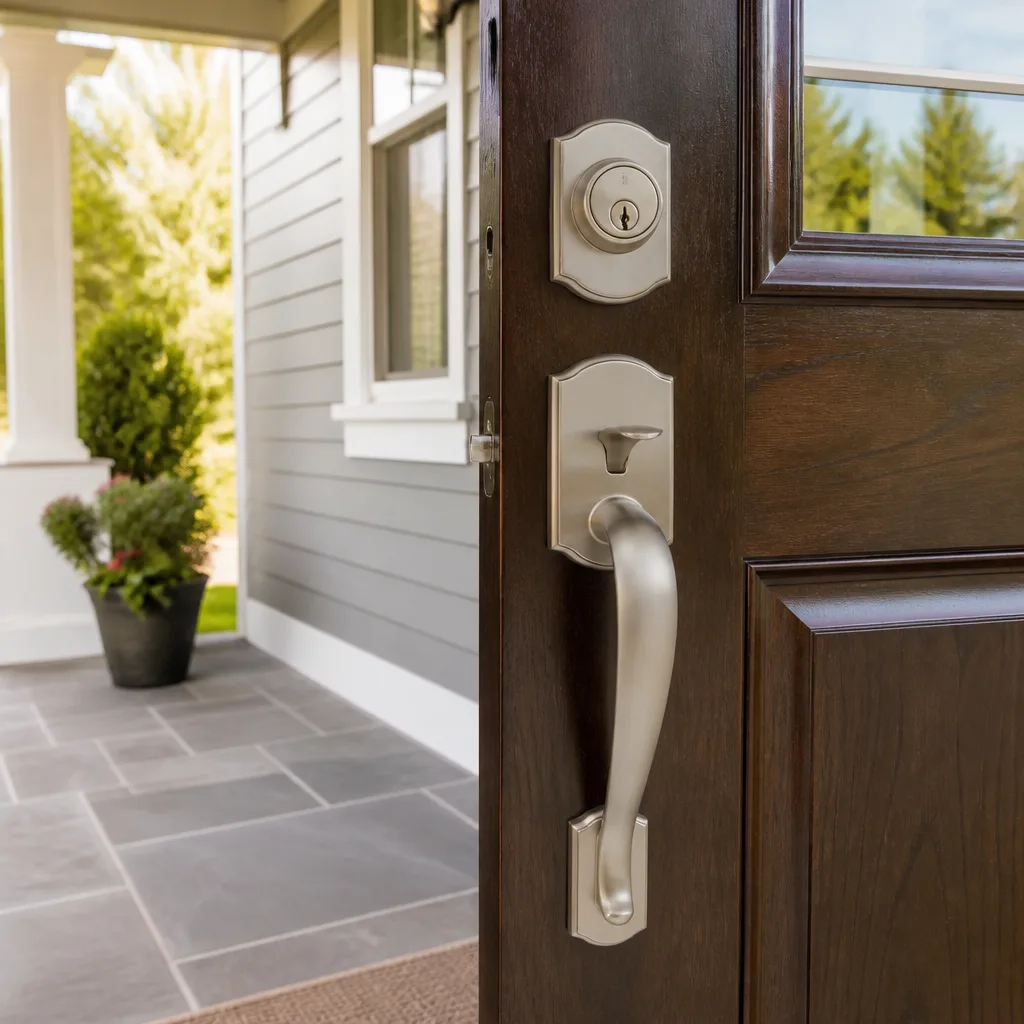 Schlage
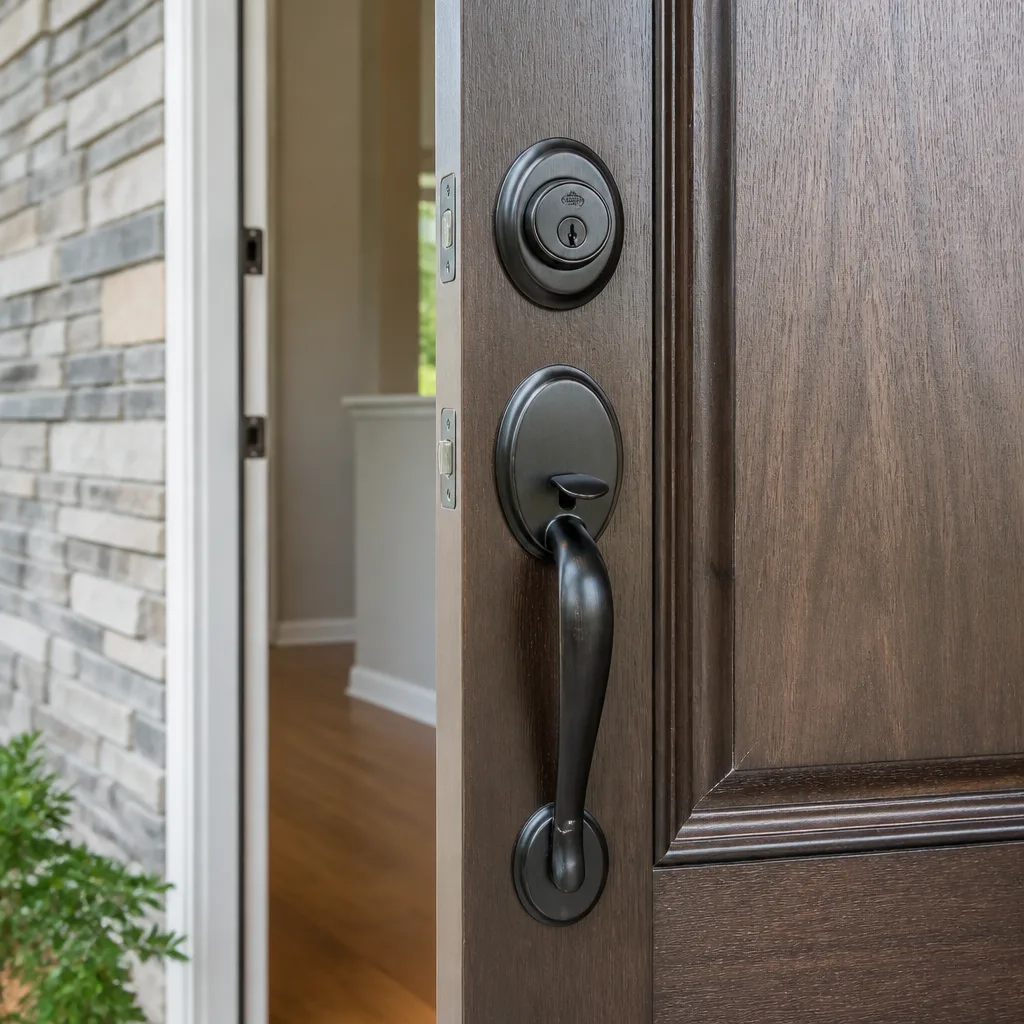 Kwikset
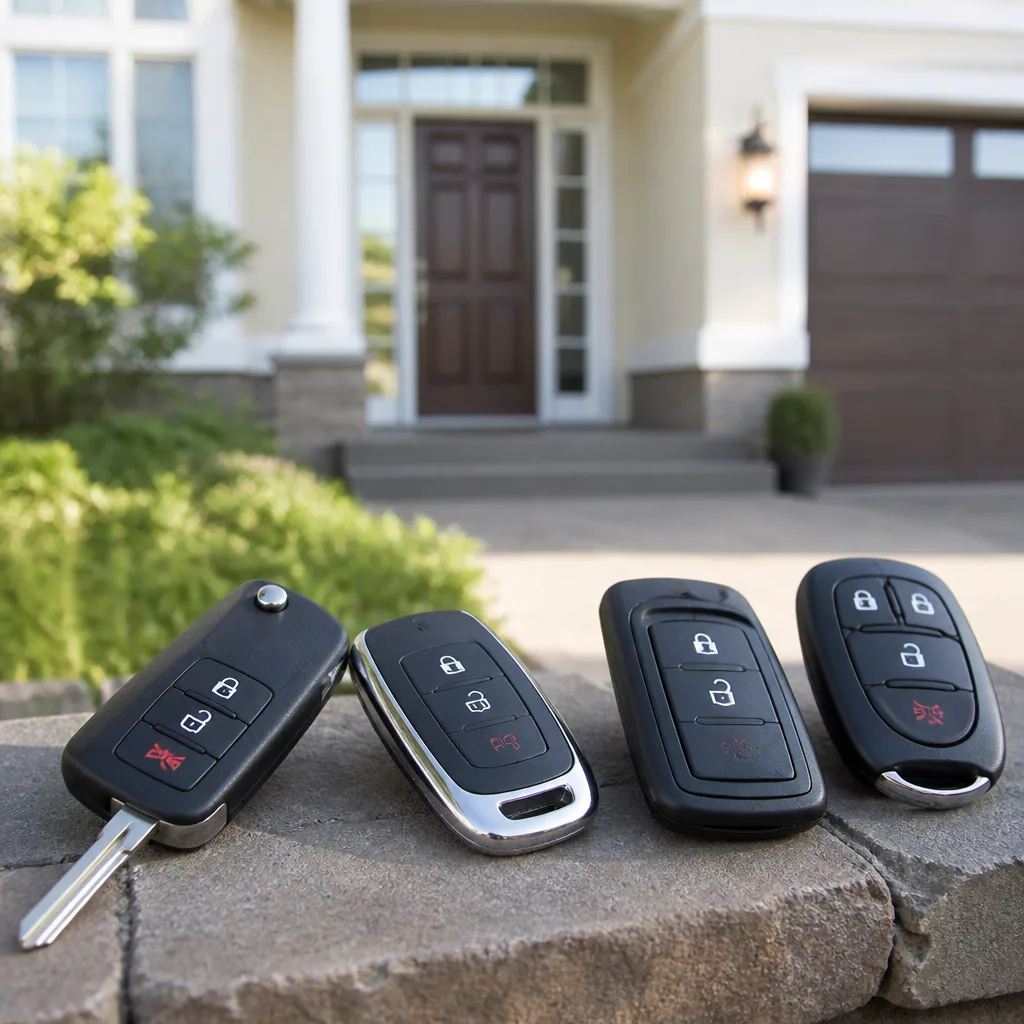 Car keys & fobs
Non-destructive entry first, always - and we re-key Schlage, Kwikset, and Baldwin locks on the spot while you watch
You get a price before we start. It does not change when we arrive. No surprises.
Get your free estimateCar Key Replacement Maintenance Checklist for Glendale Homeowners
A transponder key that takes two or three tries to start the car isn’t being “finicky.” It’s signaling that the chip’s signal margin is degrading, and a complete failure is usually 30 to 90 days away. Most Glendale drivers don’t think about their car key until it stops working in a parking lot off Brand Boulevard at 9 p.m. This guide walks through the observable warning signs, the maintenance routines that extend key life, and the Car Key Replacement services and decisions you’ll face before and after a failure. We’ll cover blade wear, battery chemistry, immobilizer systems on common Glendale-area vehicles, and what a second programmed key actually costs here versus at a dealership service bay.
Quick Answer
Car key maintenance in Glendale comes down to three routines: a monthly physical blade inspection for worn cuts and bending, a battery replacement every 12 to 18 months for fob-equipped vehicles, and proactive programming of a second key before the first one dies. For Car Key Replacement Troubleshooting: Common Problems and How to Fix Them, see our dedicated guide. A replacement key from an independent locksmith in Glendale typically runs $120 to $350 depending on whether it’s a basic transponder, a proximity fob, or a full smart key, and the work is usually completed the same day.
Styles & brands we work with
Table of Contents
- The Physical Blade Inspection Most Drivers Skip
- Battery Chemistry: Why Your Fob Dies Earlier Than It Should
- Transponder, Proximity, and Smart Keys: Different Failures, Different Costs
- The Second Key Rule: Program Before You’re Stranded
- Glendale Vehicle Makes and Their Immobilizer Realities
- Storage and Handling Habits That Shorten Key Life
- What Car Key Replacement Actually Costs in Glendale
- Common Mistakes to Avoid
The Physical Blade Inspection Most Drivers Skip
Even on vehicles with push-button start, the physical key blade hidden inside the fob still does work. It opens the driver’s door when the battery is dead, and on many models it operates the glovebox and trunk release. That blade wears down with use. We see keys in Glendale with cuts so rounded that they only work when jiggled at a specific angle, a condition that eventually leads to a key snapping off inside the lock cylinder.
A monthly inspection takes under a minute:
- Hold the blade under direct light and look at the cut edges. Fresh cuts are sharp and defined. Worn cuts look like shallow valleys with rounded shoulders.
- Run a fingernail along each cut. If the edges feel smooth rather than crisp, the key is at roughly half of its useful life.
- Check for visual bowing or twist along the blade length. A key that has been used to open a frozen door or pry a box shows a slight bend that worsens over time.
- Insert the key in the driver’s door and the ignition cylinder (if your vehicle has one). Note whether it slides in cleanly or needs coaxing. Any hesitation means the cuts are no longer aligning with the wafer tumblers correctly.
Here’s the distinction that matters: a worn key should be replaced, not duplicated. Duplicating a worn key traces its degraded pattern onto a new blank, which means the copy starts with the same slop as the original. On vehicles with wafer-style tumblers, common on many Toyota and Honda models sold throughout Glendale, a worn duplicate can work the door but not the ignition, or vice versa. The cylinders have different tolerances. We’ve seen drivers carry two copies, one for the door and one for the ignition, without realizing a properly cut replacement would handle both.
If you catch blade wear early, a locksmith can decode the original cuts from the key code or read them from the least-worn sections and cut a fresh key to factory specification. That work runs far less than an emergency extraction when a blade snaps.
Battery Chemistry: Why Your Fob Dies Earlier Than It Should
Fob batteries are the single most common cause of “key failure” we encounter. The pattern is predictable: a vehicle stops responding to the remote one morning, the driver assumes the key is broken, and the actual fix is a $4 coin cell. But battery quality and fitment matter more than most people realize, and Glendale’s summer heat accelerates the chemistry.
Three battery types dominate automotive fobs:
- CR2032: The thickest common cell at 3.2mm. Used in many Hyundai, Kia, Toyota, and Honda proximity fobs. Typical life is 18 to 24 months under normal use.
- CR2025: Thinner at 2.5mm, same diameter. Found in older Nissan, Ford, and some Subaru fobs. Slightly lower capacity than the 2032, so it dies earlier. Typical life is 12 to 18 months.
- CR2016: Thinnest at 1.6mm. Often stacked in pairs inside older Lexus and Mercedes fobs. Each cell is smaller, so the pair jointly provides capacity. Typical life is 10 to 14 months.
The mistake we see repeatedly is substituting a CR2025 into a fob designed for a CR2032. The thinner cell fits, but it makes weaker contact with the spring terminal, and its lower capacity means it dies in a third of the time. The fob may work intermittently depending on temperature and flex, producing phantom lockouts where the car fails to detect the key despite a “new” battery.
Cheap replacement cells are another failure source. No-name lithium cells from discount bins often have lower milliampere-hour ratings than branded Panasonic, Sony, or Duracell cells, and their voltage sag under load triggers low-battery warnings prematurely. A fob that shows a low-battery warning on the dashboard two weeks after a fresh cell is usually running a low-tier battery.
For Glendale drivers, heat is a compounding factor. Interior cabin temperatures in parked summer cars routinely exceed 140 degrees, and lithium coin cells lose capacity faster at sustained high temperatures. We recommend replacing fob batteries every 12 months if you park outdoors in full sun, and every 18 months if you use covered or garage parking.
Transponder, Proximity, and Smart Keys: Different Failures, Different Costs
Not all car keys are the same class of hardware, and the failure profile and replacement cost differ by type. Understanding which one your vehicle uses tells you what to expect when maintenance fails.
Transponder Keys
These are traditional metal keys with a small RFID chip embedded in the plastic head. When you insert the key and turn the ignition, the car’s immobilizer sends a low-frequency signal that energizes the chip, which responds with a unique code. If the code doesn’t match, the engine cranks but won’t start. Transponder keys have no internal battery, the chip is passive. Failure modes are physical: water immersion can corrode the chip’s antenna coil, and hard drops can crack the solder joints. A transponder key that works intermittently is usually on its way to full failure, and that degradation follows the 30-to-90-day window described earlier.
Proximity Fobs
These use an active transmitter powered by the fob battery, allowing keyless entry and push-button start as long as the fob is within a few feet of the vehicle. Failure modes include a drained battery, a damaged internal circuit board from drops, and signal interference from aftermarket phone chargers or other RF devices stored in the same pocket. Proximity fobs are more expensive to replace than transponder keys because they require both cutting (for the hidden emergency blade) and programming.
Smart Keys
Smart keys take the proximity fob a step further, adding two-way communication with the vehicle and often storing driver-specific settings like seat position and mirror angles. Some smart keys pair with a phone app via Bluetooth or the vehicle’s cellular link. These are the most expensive to replace, and in some cases the vehicle must be present for programming. Smart key failures often mimic dead-battery symptoms even when the cell is fresh, which usually indicates a failed component on the key’s circuit board.
The Second Key Rule: Program Before You’re Stranded
The least expensive moment to replace a car key is before the first one fails. Once a key is lost or dead, you’re paying for programming under time pressure, and on some vehicles the process requires towing or a mobile visit with specialized equipment. A second key purchased proactively costs the same for the hardware but avoids the emergency surcharge and the stress.
Here’s how the economics break down for a common scenario in Glendale:
- One working key, proactive replacement: A locksmith cuts and programs a second key using the existing working key. Typical cost for a basic transponder: $120 to $180. Time: under an hour.
- One working key, emergency replacement after failure: The key died fully. A locksmith must use the vehicle’s key code or decode the cylinder to cut a new blade and then program the chip. Cost: $150 to $220, plus after-hours dispatch if it’s outside business hours.
- No working keys at all: This is the full reinvention scenario. The vehicle may need to be towed to a shop with the right programming equipment, or a locksmith with mobile capability must perform an onboard programming procedure that requires special access. Cost: $200 to $350 or more, and the work is constrained by the vehicle’s specific immobilizer protocol.
The dealership price for the same second key often runs 30 to 50 percent higher. A proximity fob that costs $220 from an independent Glendale locksmith can easily exceed $320 at a dealer parts counter before programming labor is added. The difference is not quality, it’s overhead. The key itself comes from the same class of aftermarket or OEM suppliers.
Glendale Vehicle Makes and Their Immobilizer Realities
Glendale’s driving population skews toward three brands, and each has a distinct immobilizer architecture that affects key replacement options. For help Choosing the Right Locksmith Brand: A Buyer’s Guide for Glendale, check our resource.
Toyota
Toyota has used several immobilizer generations. Older models from the 1998 to 2005 era use a 4C or 4D transponder system that is well understood and widely supported by aftermarket programming tools. Newer models, particularly 2010 and later, use a more complex rolling-code system that requires greater diagnostic access. Some 2016 and newer Toyotas restrict key programming to dealer-level scan tools, meaning an independent locksmith can cut the blade but may need to refer programming if the proprietary tool access isn’t available. We always verify year, model, and transponder type before quoting.
Honda
Honda’s immobilizer systems are similarly tiered. The older Type 1 and Type 2 systems are straightforward. The newer Type 3 and Type 4 systems used in 2013 and later models require a secure login to the vehicle’s body control module, a process that independent locksmiths with the right equipment can perform but that takes more steps than a basic transponder clone. Honda is also notorious for the “one key lost, all keys reprogram” requirement on newer models, which turns a single-key replacement into a full immobilizer reflash.
Hyundai and Kia
The Hyundai Motor Group family shares immobilizer architecture across many models. On vehicles without push-button start, particularly 2011 to 2019 model years, the transponder system is relatively simple. But Hyundai has transitioned to a more locked-down smart-key system on recent models, and some 2020 and newer vehicles restrict aftermarket programming entirely. If you own a late-model Hyundai or Kia in Glendale, check your key type before assuming any locksmith can handle the programming.
None of these limitations mean you’re stuck with a dealership. They mean the replacement process varies by vehicle, and a competent locksmith will tell you upfront what’s possible on your exact year and model.
Storage and Handling Habits That Shorten Key Life
Most key failures trace back to environmental and handling factors that are entirely avoidable. We’ve been inside enough failed fobs to know what kills them.
- Pocket sharing with coins and keys: The circuit board inside a proximity fob is not armored. Constant impact against metal objects in a pocket or purse stresses solder joints and flexes the board. Over two to three years, microfractures accumulate until a component loses contact. Carry the fob alone or in a soft sleeve.
- Leaving the fob in a hot car: Glendale summers are hard on electronics. A fob left on the dash or center console in direct sun sees internal temperatures well past the operating spec of its lithium cell and polymer components. Heat accelerates battery self-discharge and can warp the plastic housing enough to crack the internal board mounts.
- Using the key as a tool: We see key blades bent from opening boxes, scraping ice, and prying loose trim. A bent blade stresses the ignition cylinder and eventually breaks, sometimes leaving the tip wedged inside. The extraction is more expensive than the replacement.
- Ignoring water exposure: A fob that gets soaked and still works has not “dried out fine.” Corrosion starts immediately on exposed copper traces and solder pads. Rinse it with isopropyl alcohol and let it dry completely if it ever gets wet, and replace it at the first sign of intermittent function.
- Buying aftermarket fob shells: A cracked fob case is a cheap fix, but low-quality replacement shells often have poor button alignment and weak clips that pop open. That leads to lost internals and a more expensive problem. If the shell is compromised, replace the whole fob or get a quality OEM shell.
What Car Key Replacement Actually Costs in Glendale
Pricing in the Glendale market is fairly consistent, but it depends on three things: the key type, the vehicle year and make, and whether the work happens during business hours or as an emergency dispatch. Here are the ranges we see for common scenarios:
- Basic transponder key (no remote): $120 to $180, including cutting and programming. Common on 2005 to 2015 sedans.
- Transponder key with integrated remote: $150 to $250. The remote functions require additional button programming on some models.
- Proximity fob (keyless entry, push-button start): $200 to $320. Programming requires a scan tool and sometimes a security PIN obtained from the vehicle’s immobilizer.
- Smart key (full two-way communication): $280 to $400 or more, depending on the vehicle. Some models require dealer-level programming access, which can push the total higher.
- Emergency after-hours dispatch: Add $50 to $150 to any of the above, depending on the time and location in Glendale.
The full price is always quoted on the phone before anyone is dispatched, and that’s the price on the invoice. There’s no additional “on-site fee” added when the technician arrives. If you’re calling around, ask the locksmith to confirm the year, make, and model before giving you a number. A quote given without that information is a guess.
Common Mistakes to Avoid
- Waiting until the only key fails to get a second one. This converts a $150 proactive job into a $250 emergency job and risks towing if the vehicle immobilizes completely. Program the second key now.
- Duplicating a worn key instead of cutting a fresh one. A duplicate of a worn key inherits the wear patterns, which means it will work the same or worse. Have the cuts decoded to factory spec.
- Using a CR2025 in a fob designed for a CR2032. The slimmer cell fits but makes poor contact and has less capacity, creating intermittent issues that look like a failing key.
- Assuming a dead fob means the key is destroyed. Most fob failures are battery-related. Replace the cell before replacing the key.
- Throwing away the valet key or second key that came with the vehicle. Even a worn second key can serve as a reference for cutting a fresh blade. Keep every key you have.
- Buying a replacement fob from an online marketplace without programming context. Some fobs are locked to a previous vehicle or require dealer-only programming. Verify compatibility before buying.
- Ignoring dashboard low-battery warnings. When the car tells you the fob battery is low, replace it that week. The window between warning and full failure is often shorter than expected, especially in summer heat.
When to Call a Professional
If the key blade is visibly bent, the cuts are worn enough to cause insertion resistance, or the fob fails intermittently despite a fresh battery, these are signs of a component-level failure that won’t self-correct. A transponder key that starts the car only after multiple attempts is running on a degrading chip, not a temporary glitch. If you’ve lost all working keys, the immobilizer must be reprogrammed, and that requires equipment and expertise you won’t find in a DIY aisle. Glendale Lock & Key offers free estimates in Glendale – call (855) 791-2710 to get an exact quote on your vehicle’s year and key type before you decide anything. The estimate is free, and there’s no obligation to proceed.
Frequently Asked Questions
Car key replacement in Glendale typically costs $120 to $400 depending on the key type. A basic transponder key runs $120 to $180, a proximity fob runs $200 to $320, and a full smart key can exceed $400 on some models. The exact price depends on the vehicle’s year, make, and immobilizer system. Call (855) 791-2710 for a phone quote based on your specific vehicle.
Yes. The price quoted before dispatch is the price on the invoice. There’s no additional “on-site fee” or “programming fee” added when the technician arrives, provided the vehicle information you gave was accurate. If the vehicle has unusual programming requirements, that’s disclosed during the quote call.
Most standard transponder key replacements are completed the same day, often within a couple hours of the call. Proximity fobs and smart keys depend on whether the vehicle requires a specific programming sequence or security access, which can extend the job. Emergency dispatch is available when a failure can’t wait.
Yes, but the process is different than duplicating from an existing key. The locksmith must decode the lock cylinder or retrieve the key code from the vehicle’s immobilizer, then cut and program a fresh key. This route costs more and takes longer than replacing a second key proactively.
Not necessarily. Many Toyota and Hyundai models use transponder and proximity systems that independent locksmiths routinely program. Some 2020-and-newer Hyundai, Kia, and Toyota models restrict aftermarket programming, but a knowledgeable locksmith will tell you upfront whether your specific vehicle requires a dealer visit. Always confirm before scheduling.
If the existing key is in good condition with crisp cuts and a functioning chip, duplication is straightforward and cheap. If the blade is worn, bent, or the chip is intermittent, a fresh cut to factory code and a new programmed key is the correct route. A visual inspection tells us which path applies.
The Bottom Line
Car key failure is a mechanical and electronic process with observable warning signs. A monthly blade check, annual battery replacement, and an upfront decision to program a second key eliminate most emergency scenarios. Glendale’s heat, the prevalence of Toyota, Honda, and Hyundai immobilizer systems, and the cost structure of dealership programming all favor an independent locksmith who can cut, program, and service the key you already have. For a free estimate on any car key replacement or a second programmed key before you need it, call (855) 791-2710. Explore our more guides & resources for additional maintenance tips. Glendale Lock & Key has been serving Glendale since 2018, and we’re here for the planned jobs and the 2 a.m. emergencies alike.
Written by the team at Glendale Lock & Key, serving Glendale since 2018. We specialize in car key replacement in Glendale, emergency locksmith service in Glendale, and lock rekeying in Glendale – from your ignition to your deadbolt.