
Last updated October 30, 2026
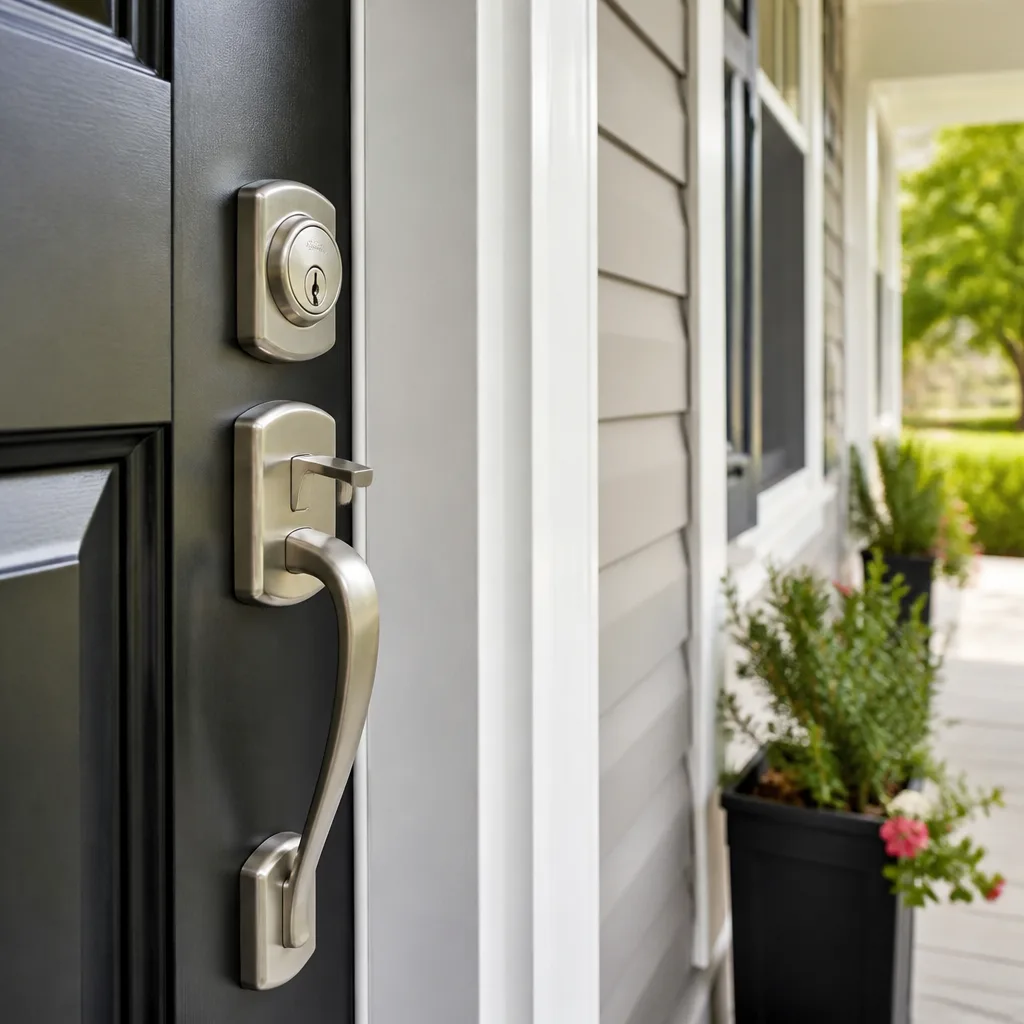 House lockouts
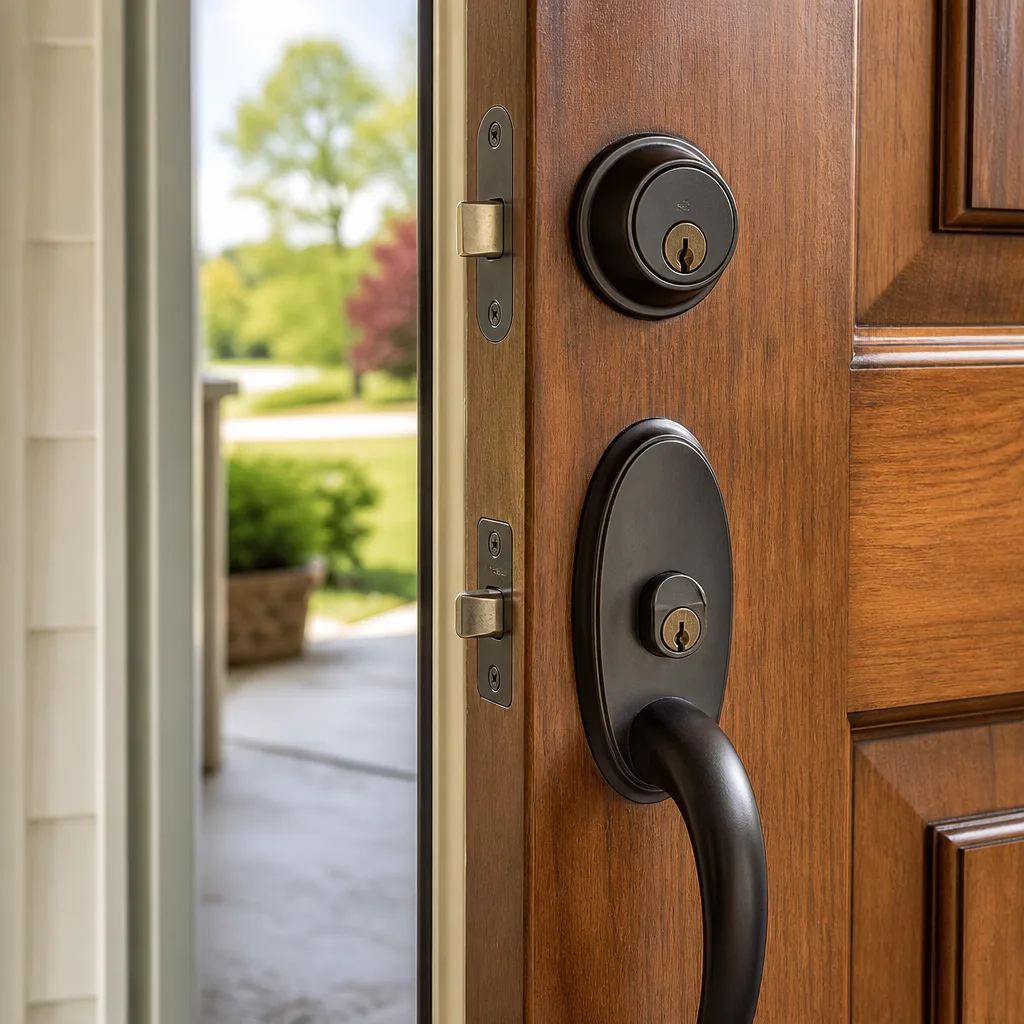 Re-keying
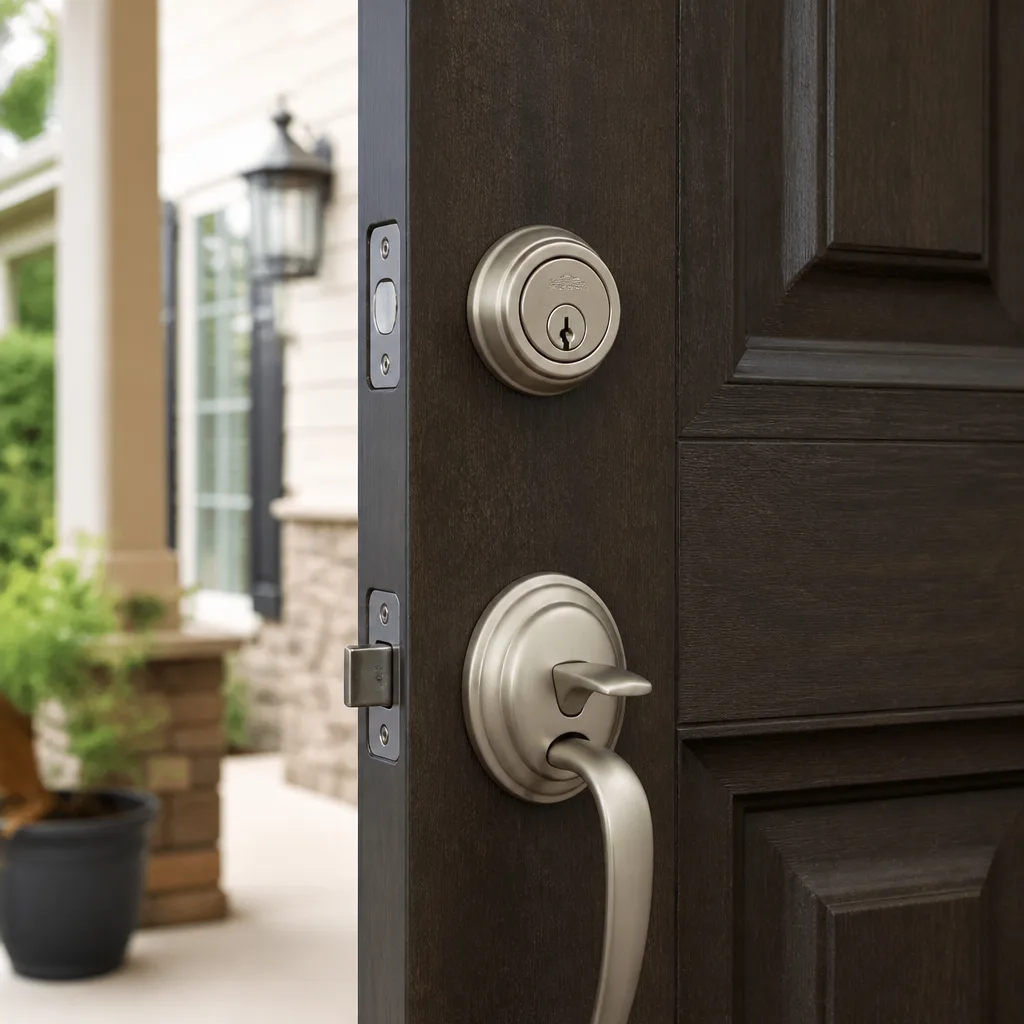 Deadbolt upgrades
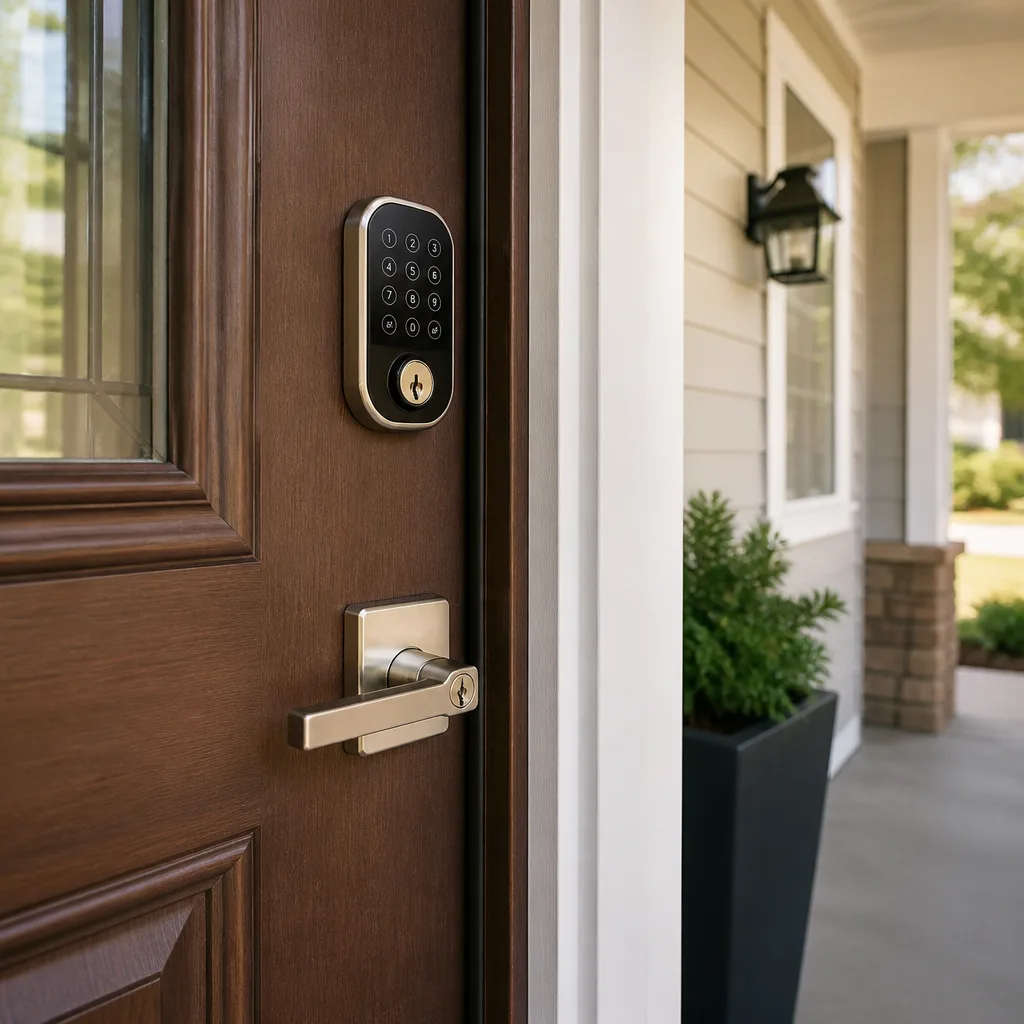 Smart locks
 Schlage
 Kwikset
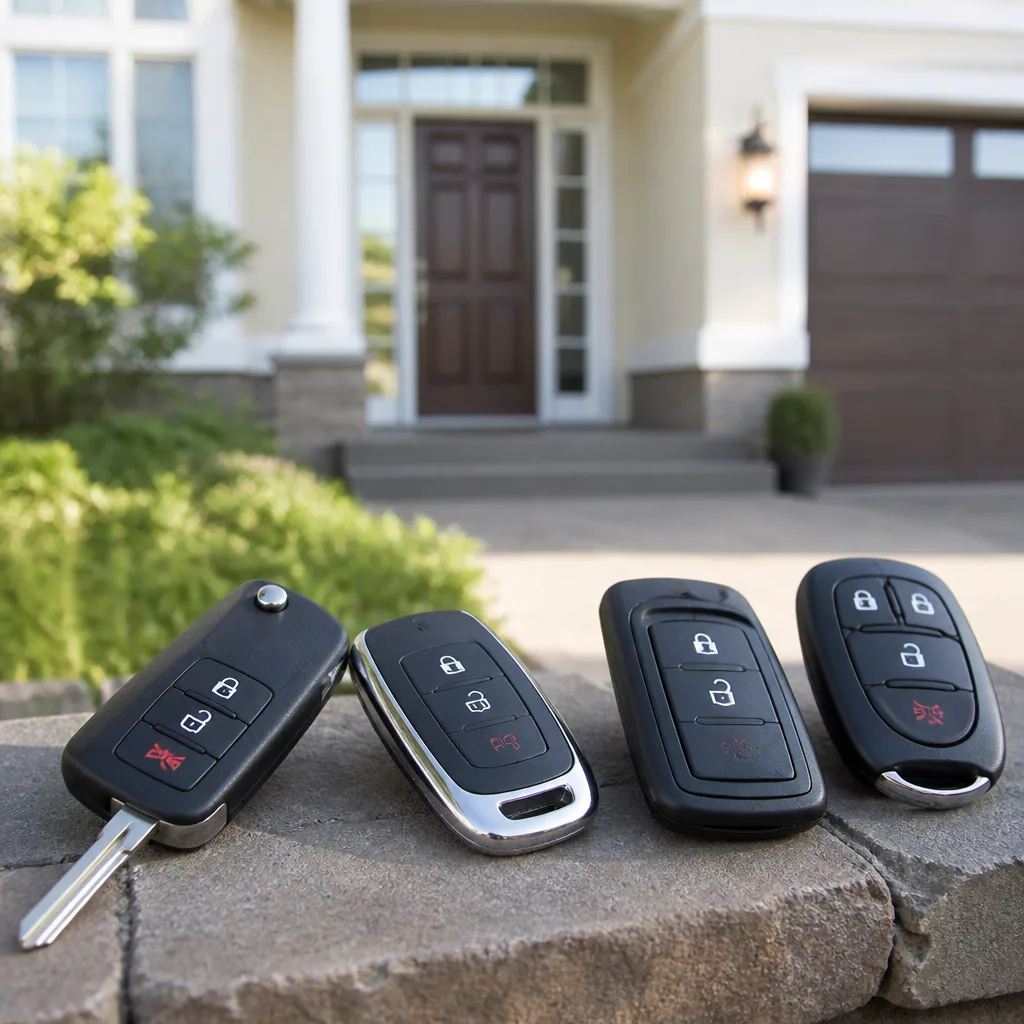 Car keys & fobs
Non-destructive entry first, always - and we re-key Schlage, Kwikset, and Baldwin locks on the spot while you watch
You get a price before we start. It does not change when we arrive. No surprises.
Get your free estimateCar Key Replacement Troubleshooting: Common Problems and How to Fix Them
A replacement car key that won’t start the vehicle after programming is not a defective key 90% of the time. It’s a missed step in the OBDII handshake sequence, a voltage sag during the write cycle, or a cut that’s technically within spec but still binding on the wafer. In Glendale, where summer heat accelerates battery drain and aftermarket remote suppliers are everywhere, we see these failures weekly, and almost all of them are fixable without starting over. This guide—along with our The Complete Car Key Replacement Guide for Glendale Homeowners—walks through the three most common post-replacement failures, how to diagnose each one, and what to check before you call your locksmith back.
Styles & brands we work with
Quick Answer
When a newly cut or programmed car key doesn’t work, the failure is almost always in one of three places: the transponder chip was cloned when it should have been programmed as a new key, the vehicle battery dropped below 12.4 volts during the programming write cycle, or the key cut itself is dimensionally correct but binding on a worn wafer. Each has a specific fix that a competent automotive locksmith can complete in under ten minutes, and none of them requires a new key blank.
Table of Contents
- Failure Point One: Cloned Chip vs. Programmed New Key
- Failure Point Two: Battery Voltage During Programming
- Failure Point Three: The Binding Cut
- Remote Fob Pairing Failures: Sync vs. Actuator
- Key Turns But Won’t Start vs. Key Won’t Turn At All
- The Troubleshooting Decision Tree
- What Glendale Vehicle Owners Should Know
- Common Mistakes to Avoid
- When to Call a Professional
- Frequently Asked Questions
- The Bottom Line
Failure Point One: Cloned Chip vs. Programmed New Key
The single most common reason a replacement key fails after programming is that the chip inside was cloned when the vehicle’s immobilizer system expected a fresh, uniquely coded transponder. These are two different procedures with two different outcomes, and mixing them up produces a key that the car’s ECU rejects outright.
Cloning copies the fixed ID from your existing key onto a blank chip. It works fine on older systems and many Toyota, Honda, and Nissan models up to roughly 2010. But on vehicles with rolling-code immobilizers, the ECU tracks a rotating sequence. A cloned key presents a duplicate ID, the ECU sees an old code, and it refuses to authenticate. The key will turn in the ignition. The dash may light up. The engine will not crank.
Programming a new key, by contrast, introduces a fresh transponder ID to the vehicle’s immobilizer memory through a secured OBDII session. This is what the car expects when you’re adding a key rather than duplicating one. If your replacement key was cut at a hardware-store kiosk that cloned the chip, and your car expects a programmed new key, that’s your failure point.
How to check: If your original key still starts the car but the replacement doesn’t, and the replacement was made from the original rather than programmed through the vehicle’s OBDII port, you’re likely dealing with a clone mismatch. The fix is to have the replacement key programmed as a new key with a proper diagnostic tool, not re-cloned. Any shop doing car key replacement in Glendale should be able to tell you which procedure your vehicle requires, and asking that question upfront is a good way to filter out kiosks that only clone.
In our experience working across the eight lock brands we service, this distinction between cloning and programming is where amateur key cutters lose the plot, and it’s why we treat automotive transponder work as a programming discipline, not a cutting job.
Failure Point Two: Battery Voltage During Programming
The second most common failure is environmental rather than mechanical: the vehicle battery voltage sagged below the threshold required to complete the immobilizer write cycle. Most professional programming tools need the battery to hold at or above 12.4 volts during the entire session. Below that, the ECU enters a protective mode and the write fails silently: the tool reports success, the key is cut correctly, and the car still won’t start.
This is a bigger problem in Glendale than most drivers realize. Heat accelerates the chemical degradation of lead-acid batteries, and a battery that’s been through three Glendale summers is often weaker than it looks. A car that starts fine on a mild morning may drop below 12.4V under the sustained load of a programming session, especially if the doors are open, the interior lights are on, and the radio hasn’t been shut off.
What this looks like: The locksmith’s programmer completes the sequence and displays a success message. You turn the key. The dashboard responds. The engine cranks once, twice, maybe three times, then nothing. Or the immobilizer light flashes in a pattern that your owner’s manual identifies as a failed key registration. The key itself is fine. The write never completed because the ECU’s minimum voltage threshold was breached mid-cycle.
The fix: Attach a jump pack or battery charger to the vehicle, stabilize voltage above 12.6V, and repeat the programming sequence. It takes under ten minutes when diagnosed correctly. This is a failure mode that separates experienced automotive locksmiths from generalists: recognizing the voltage issue before assuming the key blank is defective.
If you’re troubleshooting at home and suspect voltage, test the battery at rest with a multimeter before calling anyone. If it reads under 12.4V with the ignition off, you’ve likely found your culprit, and you can save yourself a diagnostic fee by telling the locksmith exactly what you observed.
Failure Point Three: The Binding Cut
Sometimes the key is cut correctly according to the code, the transponder is programmed correctly, and the car still won’t cooperate. The problem in these cases is mechanical: the cut is dimensionally within tolerance, but it’s binding on a wafer or pin inside the lock cylinder that has worn inconsistently over the years.
Key cutting machines cut to factory specifications. But a lock cylinder with 100,000 miles on it has worn wafers that no longer sit exactly where the factory placed them. A key cut to factory code can catch on a worn wafer, requiring extra jiggling, or refusing to turn at all. The key isn’t wrong; the lock has drifted from its original dimensions.
The symptom pattern: The new key works perfectly in the door lock but binds in the ignition, or vice versa. Or it turns with pressure in one direction but not the other. Or the original key works smoothly while the replacement catches at a specific point in the rotation. These inconsistencies point to wear patterns in the cylinder rather than a bad cut.
The fix: A locksmith who understands lock geometry can file a slight relief on the key at the binding point, or cut a replacement key with a stepped tolerance that accounts for the worn wafer. This is fine- tuning, not guesswork, and it’s the kind of adjustment that comes from familiarity with lock hardware across the spectrum, from consumer-grade Kwikset cylinders to high-security Medeco and Abloy systems where tolerances are unforgiving.
It’s worth noting that binding is more common on vehicles that spend time in dusty or sandy environments, because grit accelerates wafer wear. In the Glendale area, where fine dust settles into everything, we see this pattern regularly on older work trucks and commuter cars with high mileage.
Remote Fob Pairing Failures: Sync vs. Actuator
Remote fob failures fall into two distinct categories, and treating them as one problem wastes time and money. The first category is a sync problem: the fob was cut and the transponder was programmed, but the remote functions were never paired to the body control module, or BCM. The second category is a mechanical problem: the fob is synced correctly, the BCM is receiving the signal, but the door-lock actuator inside the car is faulty and not responding.
How to distinguish them: If you press the unlock button on the fob and nothing happens at all: no sound from the door, no hazard-light flash, no response, the fob is likely not synced to the BCM. If you press the button and you hear the actuator click, the lights flash, or the lock partially engages, the fob is synced and the actuator is struggling. An actuator that makes a clicking sound but doesn’t move the lock is failing electrically; one that makes no sound at all is the sync problem.
Fob sync fixes: Most vehicles have an onboard pairing procedure, though some require a diagnostic tool. The sequence varies by make and model, and it’s model-specific: a Honda’s procedure is different from a Ford’s, and an aftermarket fob may require a specific programming order relative to any existing fobs. If the fob was never synced after cutting and transponder programming, the fix is a pairing session with the proper tool, and it takes minutes.
Actuator fixes: If the fob is synced but the lock isn’t moving, the actuator needs replacement. This is a mechanical repair inside the door panel, not a key problem. Replacing the fob or reprogramming the key won’t fix it. A competent automotive locksmith can diagnose this in about two minutes by listening for the actuator response; a shop that automatically blames the fob is one to avoid.
We’ve seen this exact scenario play out in Glendale parking lots: a driver replaces a lost fob, the new one won’t unlock the door, and they assume the fob is defective. More often, the original fob was lost because the actuator had been failing and they were pressing the button harder and more frequently than they realized. The fob was never the problem.
Key Turns But Won’t Start vs. Key Won’t Turn At All
These two failure modes are often lumped together in troubleshooting guides, but they’re fundamentally different problems. Diagnosing them separately will save you from paying for the wrong repair.
Key Turns But Engine Won’t Start
When the key rotates normally in the ignition but the engine doesn’t crank, the mechanical cut is fine. You’re looking at an immobilizer issue, a transponder mismatch, or a battery voltage problem. The key is physically engaging the lock; the ECU is refusing to authorize the start. This almost always traces back to a cloning-versus- programming error, a write cycle interrupted by low voltage, or, in some newer vehicles, a BCM that needs to re-learn the transponder ID.
The fix is electronic, not mechanical. A diagnostic tool that can read the immobilizer status will tell you within minutes whether the key was rejected, the write failed, or the BCM lost its registration. If you’re in the Glendale area and this happens after a key replacement, the locksmith who cut the key should be able to pull the diagnostic code and identify the exact failure point.
Key Won’t Turn At All
When the key won’t rotate in the ignition cylinder, you’ve got a mechanical problem: either the cut is binding on a worn wafer, the cylinder itself is seized from corrosion or debris, or the steering-lock mechanism is engaging and preventing rotation. This is a different diagnostic path entirely.
Try turning the steering wheel slightly while applying gentle pressure to the key. If the steering lock is engaged, the wheel will move a fraction and the key will rotate. If the key still won’t turn, inspect the cylinder for debris and try the key in the door lock; if it works in the door but not the ignition, the cylinder is likely worn or obstructed. If it works in neither, the cut itself is suspect.
The fix for a binding cylinder is often a lubrication and gentle cycling, but if the wafers are badly worn, the cylinder may need to be rekeyed or replaced. A locksmith who handles rekeying lock hardware in Glendale on a regular basis will know how to assess cylinder wear without replacing more than necessary.
The Troubleshooting Decision Tree
Before you call your locksmith back, run through this sequence. It will eliminate the most common causes in order and help you describe the problem accurately, which saves time and diagnostic fees.
- Check battery voltage first. Use a multimeter or have the battery tested at a parts store. If it reads below 12.4V at rest, charge or jump it and attempt to start the car with the new key again. Low voltage is the most common silent killer of key programming.
- Test the new key in every lock. Ignition, driver’s door, passenger door, trunk or tailgate. Note where it works and where it doesn’t. A key that works in the door but not the ignition points to cylinder wear or steering-lock engagement; a key that works nowhere points to a bad cut.
- Try the original key if you still have it. If the original starts the car, the replacement key’s transponder was not programmed correctly. If the original also fails, the problem is the vehicle, not the key.
- Check the immobilizer light on the dash. If it’s flashing after a failed start, the vehicle is in anti-theft mode and rejecting the transponder ID. Count the flashes or note the pattern; many owner’s manuals have a decode table.
- Press the fob buttons and listen. No response means sync. Clicking means actuator. Partial movement means actuator weakness. This tells you whether the problem is electronic or mechanical.
- Note the exact conditions. Was the battery weak earlier in the week? Was the key working yesterday and failed today? Did anything change? Specific details help the locksmith zero in without re-running diagnostics they’ve already done once.
This sequence covers roughly 85% of post-replacement failures. If you’ve worked through it and the key still won’t cooperate, it’s time to bring in a professional with diagnostic equipment, and the information you’ve gathered will make that call productive.
What Glendale Vehicle Owners Should Know
Glendale’s climate creates a specific set of conditions that affect car key replacements and the failures that follow them. The sustained summer heat, often above 100 degrees Fahrenheit for days at a time, shortens lead-acid battery lifespan measurably. A battery that’s three years old in Glendale may have the real-world capacity of a five-year-old battery in a cooler climate. That voltage floor matters because it directly impacts whether a programming write cycle completes.
Dust and fine particulate matter are also constants in this part of Southern California. Dust works its way into lock cylinders through normal use, combining with the grease inside to form an abrasive paste that accelerates wafer wear. The result is that glendale ignition cylinders on older vehicles often show more dimensional drift than the same model driven in less dusty regions, which explains why a factory-spec cut sometimes binds on a high-mileage local car.
Finally, Glendale drivers park in direct sunlight for long stretches of the year. Interior temperatures in a closed car regularly exceed 140 degrees Fahrenheit in July and August. This heat doesn’t just affect the human occupant: it also degrades the plastic housings and solder joints inside remote fobs. If a fob stops working after living on a Glendale dashboard for a summer, the failure may be thermal damage rather than a programming issue, and that’s a different repair with a different cost.
These local conditions are why we handle both the Glendale Lock & Key home service area’s residential locks and its automotive key work with the same level of care. A locksmith who understands the city’s climate factors can diagnose failures faster than one who applies a generic national checklist.
Common Mistakes to Avoid
- Assuming the key blank is defective. Blanks from reputable manufacturers are overwhelmingly consistent. If a new key fails, the blank is usually the last suspect, not the first. Jumping to this conclusion leads to unnecessarily re-cutting a key that was never the problem.
- Skipping the battery test. The voltage issue is so common that any troubleshooting sequence that doesn’t start with a battery check is incomplete. Charging or jumping the vehicle before repeating a programming session resolves more failures than any other single action.
- Cloning when the vehicle needs programming. Kiosks and cloners work fine for older vehicles but fail on rolling-code immobilizers. Knowing whether your car requires a cloned key or a programmed new key is half the battle, and it’s a question worth asking before you pay for the cut.
- Ignoring the immobilizer light. That flashing dashboard light is the ECU trying to tell you something. Decoding the flash pattern via the owner’s manual takes two minutes and often identifies the exact failure without any diagnostic equipment.
- Treating fob failures as key failures. If the key starts the car and the fob buttons don’t work, the key is fine. Replacing the key won’t fix a sync problem or an actuator issue. This distinction saves hundreds of dollars when diagnosed correctly.
- Forcing a binding key. If a new key doesn’t turn smoothly, forcing it can bend the key, snap the blade, or damage the cylinder wafers. Stop, apply the decision tree, and get the key adjusted or the cylinder assessed rather than applying brute force.
- Disconnecting the vehicle battery during programming. Some DIY guides recommend this step. Disconnecting the battery on a modern vehicle can cause BCM resets, lost radio presets, and in some cases, additional immobilizer faults. Don’t do it unless a professional specifically instructs you to, for your specific vehicle.
When to Call a Professional
You should call a locksmith when the decision tree doesn’t resolve the issue, when the immobilizer light indicates a security lockout that requires a diagnostic tool to clear, or when the key is bound in the cylinder and you’re not sure whether to adjust the cut or repair the lock. High-tension situations like a key snapped in the ignition also demand professional extraction: do not attempt to pull a broken blade with pliers, as you’ll likely drive it deeper and damage the cylinder. Emergency locksmith service in Glendale is available when a failed key leaves you stranded, and a locksmith with automotive diagnostics can identify the failure point on the spot. Glendale Lock & Key offers free estimates in Glendale, call (855) 791-2710.
Frequently Asked Questions
The cost depends on the failure point: re-syncing a fob or repeating a programming session is typically under $75, while a programming write that requires a fresh transponder chip may run higher, and an actuator replacement is a separate mechanical repair. You’ll get an exact quote on the phone before anyone is dispatched, and that’s the price on the invoice. Call (855) 791-2710 for a free estimate tailored to your vehicle.
Yes. The price quoted on the phone before dispatch is the price you pay, with no call-out surcharge added on arrival. If diagnostics reveal an additional mechanical issue, you’ll be quoted and approve any additional work before it begins.
For emergency situations where a failed key leaves you without a drivable vehicle, dispatch is prioritized and an emergency locksmith in Glendale can typically reach you quickly. For standard key troubleshooting and re-programming, scheduling is available within the same day in most cases. Call (855) 791-2710 for current availability.
We handle Car Key Replacement services including modern transponder and chip-key programming, not just traditional metal cuts. Our work spans the same attention to detail we apply to high-security hardware like Medeco and Abloy systems, which means we treat automotive immobilizer work as a precision discipline rather than a quick cut job.
No. Kiosks and hardware store key machines clone chips for older vehicles; they cannot run diagnostic programming sessions, read immobilizer fault codes, or program new transponder keys to rolling-code immobilizers. A key that fails because it was cloned when programming was required needs a locksmith with diagnostic tools and vehicle-specific software access.
Yes. High heat accelerates battery fluid evaporation and plate degradation, which lowers resting voltage more quickly than in cooler climates. Since most programmers require at least 12.4V to complete a write cycle, a heat-stressed Glendale battery can cause programming failures even when the car still starts normally. This is one of the most common failure modes we see in this area.
The Bottom Line
A replacement car key that won’t work is rarely a bad key. It’s usually a programming error, a voltage shortfall, or a mechanical binding issue that a systematic diagnostic can isolate in minutes. The key is knowing what to check and in what order. Battery first, lock-by-lock testing second, immobilizer light third, fob audio fourth. If you’ve worked through the decision tree and the problem persists, you need a locksmith with diagnostic equipment and the brand knowledge to handle everything from a Kwikset residential cylinder to a modern transponder system. For related reading, see our Choosing the Right Locksmith Brand: A Buyer’s Guide for Glendale. That’s the full-spectrum capability that keeps a vehicle on the road and a driver from wasting money on the wrong fix.
Written by the team at Glendale Lock & Key, serving Glendale since 2018. Explore more guides & resources from our team.