Last updated October 30, 2026
 Smart locks
 House lockouts
 Re-keying
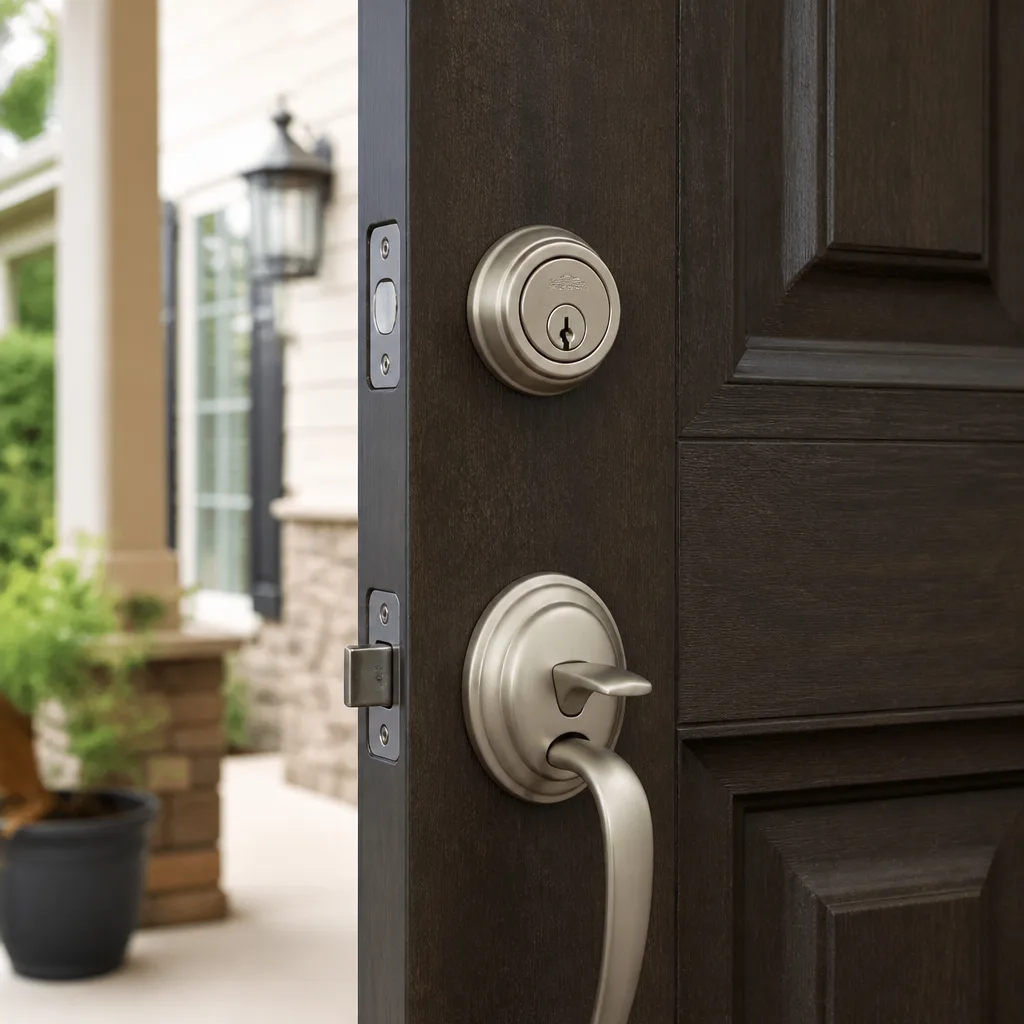 Deadbolt upgrades
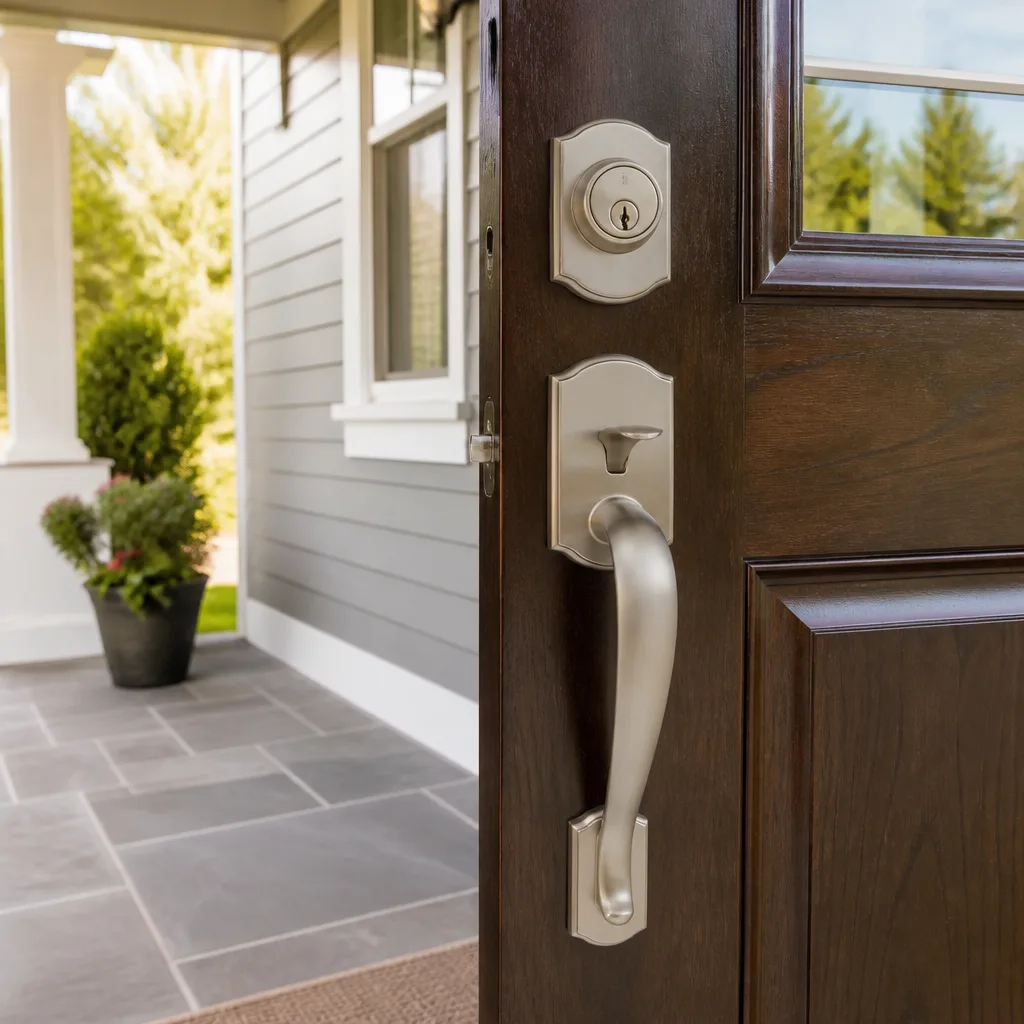 Schlage
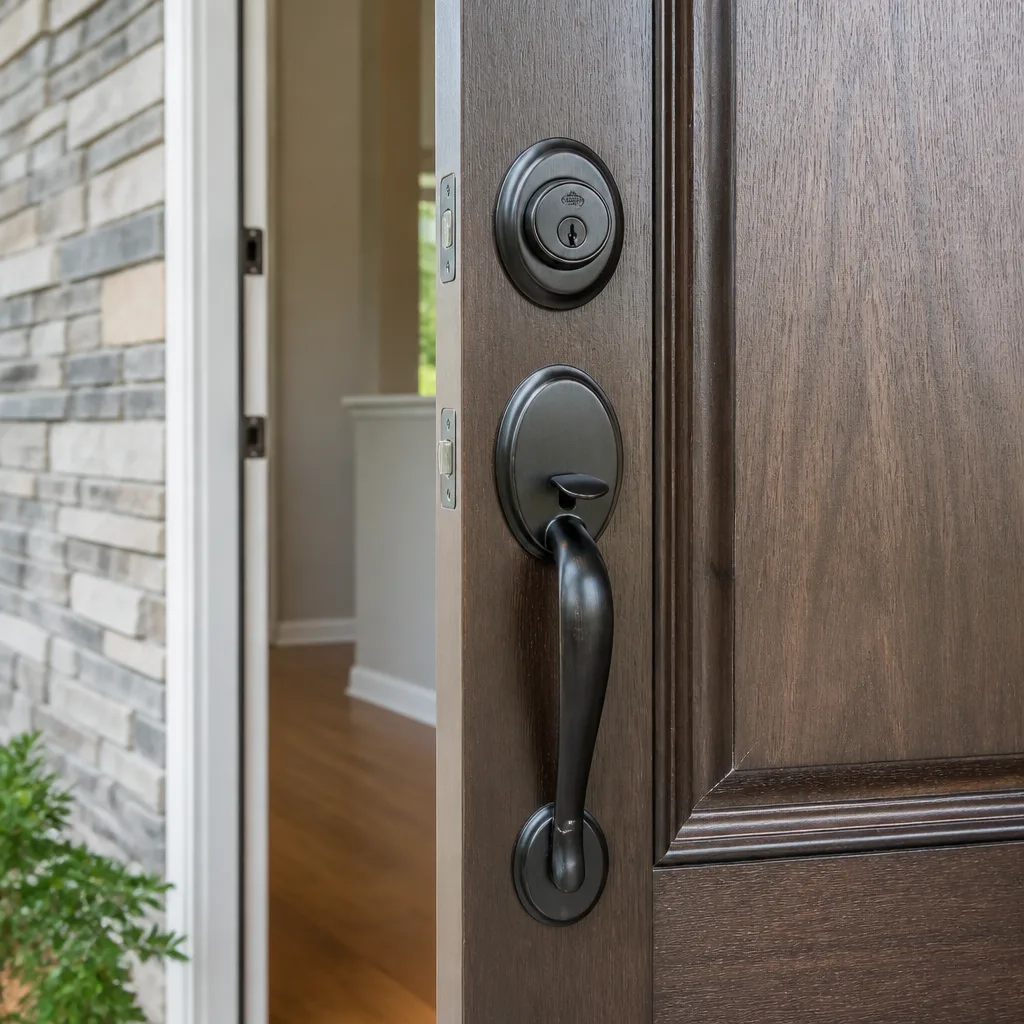 Kwikset
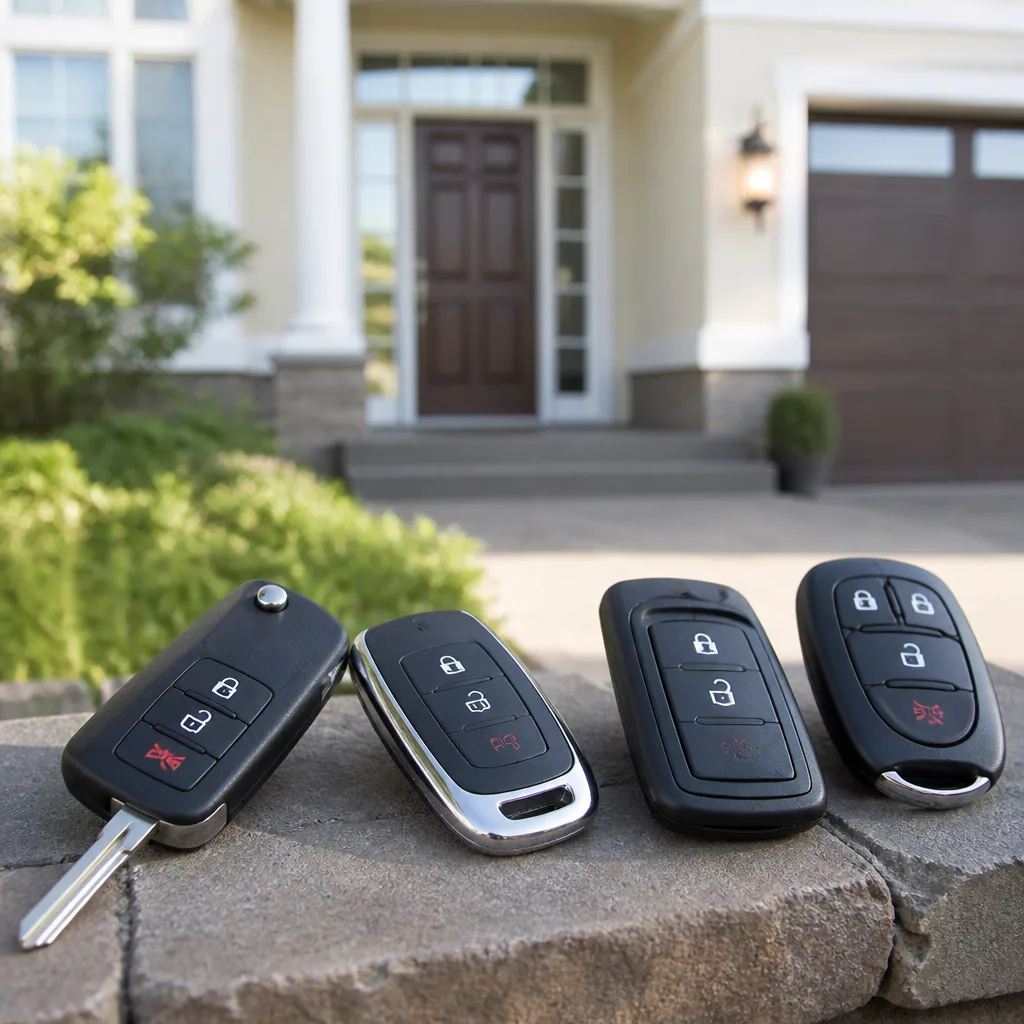 Car keys & fobs
Non-destructive entry first, always - and we re-key Schlage, Kwikset, and Baldwin locks on the spot while you watch
You get a price before we start. It does not change when we arrive. No surprises.
Get your free estimateSeasonal Locksmith Care for Glendale: Year-Round Homeowner’s Guide
Most Glendale homeowners don’t connect a sticking deadbolt to the weather forecast. But the same Santa Ana conditions that spike wildfire risk also pull moisture from door frames, shrinking the wood just enough to shift deadbolt alignment by 1/16 of an inch. That’s the gap between a bolt that throws clean and one that binds, eventually shearing the tailpiece inside the lock body. This guide explains which Glendale weather patterns cause which lock failures, what to check each season, and how to catch small problems before they become 2 a.m. lockouts. For Car Key Replacement Troubleshooting: Common Problems and How to Fix Them, see our dedicated resource.
Quick Answer
Lock maintenance in Glendale, CA should follow the city’s actual weather patterns, not calendar seasons. Check deadbolt alignment after every Santa Ana wind event, lubricate pin tumbler cylinders with graphite powder twice a year, switch to silicone spray for UV-exposed sliding door locks, and inspect garage emergency releases before fire season. A homeowner who does these four things will prevent most weather-related lock failures in Glendale’s dry, windy climate.
Styles & brands we work with
Table of Contents
- Why Santa Ana Winds Are Harder on Locks Than Rain
- Deadbolt Alignment: The 1/16-Inch Problem
- Lubrication by Lock Type: Graphite vs. Silicone vs. Dry PTFE
- Post-Santa Ana Inspection: A 10-Minute Checklist
- Foothills Freezing Nights: Padlock and Exterior Hardware Care
- Garage Door Locks and Wildfire Season Preparedness
- UV Damage to Exterior Locks: What Fades, What Fails
- Glendale Seasonal Maintenance Schedule (Weather-Tied, Not Calendar-Tied)
Why Santa Ana Winds Are Harder on Locks Than Rain
Rain gets the attention because it’s visible. But Glendale’s dry season, especially October through January when Santa Ana winds push humidity into single digits, does more cumulative damage to door hardware than winter storms. Wood loses moisture fast. A standard exterior door frame made of Douglas fir or pine can shrink up to 3/16 of an inch in width during a prolonged dry spell. Metal doesn’t shrink. The strike plate stays put while the wood around it pulls away, which changes the distance between the deadbolt and the strike opening.
What does that mean in practice? The bolt doesn’t line up perfectly anymore. You feel resistance in the thumb turn. You have to lift the handle or pull the door toward you to lock it. Each forced turn puts stress on the tailpiece, the flat metal bar connecting the cylinder to the bolt mechanism. Tailpieces don’t fail all at once. They fatigue. The metal develops micro-cracks, then one evening it twists off entirely and the thumb turn spins freely without moving the bolt. You’re locked out of your own house with the key still in your pocket.
In our experience, tailpiece failures in Glendale spike predictably two to four weeks after the first strong Santa Ana event. The repairs are straightforward, but they’re almost entirely preventable with a seasonal alignment check. Homeowners who catch the misalignment early can usually fix it by tightening strike plate screws or adding thin shims behind the plate. Wait too long and the cylinder itself needs rebuilding or replacement.
Renters in older Glendale apartment buildings face the same issue, especially in units with original wood frames from the 1960s and 70s. Property managers don’t always catch door frame shrinkage in individual units. If your deadbolt feels stiffer than it did last month, it’s worth checking before it becomes an emergency locksmith call.
Deadbolt Alignment: The 1/16-Inch Problem
The most common weather-related lock failure in Glendale isn’t a broken key or a snapped bolt. It’s misalignment of the deadbolt throw. The fix is often simple, but only if you catch it early. Here’s what to check, in order:
- Open the door and throw the deadbolt with the door fully open. If the bolt extends and retracts smoothly with no resistance, the lock itself is fine. The problem is alignment, not internal wear.
- Close the door and throw the bolt again. If you feel resistance now, the bolt is hitting the edge of the strike plate opening. Look at the inside edge of the strike plate for scrape marks. Shiny or worn spots tell you exactly where contact is happening.
- Check the door gap. The space between the door edge and the frame should be even, roughly 1/8 inch, all the way around. If it’s wider at the lock side, the frame has shifted. In Glendale’s dry season, this is usually wood shrinkage rather than hinge wear.
- Tighten the strike plate screws. Remove them, dip the tips in wood glue or wrap with a small strip of toothpick, and drive them back in. If the threads are stripped, upgrade to 3-inch screws that bite into the framing behind the jamb.
- Add shims if needed. A thin cardboard shim, folded aluminum foil, or a purpose-made strike plate spacer can move the strike opening a fraction of an inch. This is a five-minute fix that extends the life of the deadbolt by years.
The reason we recommend 3-inch replacement screws is simple: in Glendale’s frame construction, the stock screws that come with deadbolts typically thread only into the 3/4-inch door jamb. Longer screws reach the rough framing behind it, holding the strike plate secure even as the jamb wood expands and contracts. This is a one-time upgrade worth doing on your primary entry door.
If you live in the Adams Hill or Rossmoyne neighborhoods, many of the older Spanish Revival homes still have original mortise lock bodies rather than modern cylindrical deadbolts. Mortise locks are less forgiving when frames shift because the entire lock body sits inside a pocket routed into the door edge. Misalignment in a mortise setup often means the bolt rubs against the faceplate, not just the strike. If you have a mortise lock and it’s binding, don’t force it. Forcing accelerates wear inside the lock body, and replacement mortise bodies are more expensive than standard deadbolts. Our technicians work on mortise hardware regularly, including higher-end Glendale Lock & Key home service calls where the hardware is worth preserving.
Lubrication by Lock Type: Graphite vs. Silicone vs. Dry PTFE
Using the wrong lubricant is worse than using none. WD-40 is the most common mistake we see. It’s a solvent that strips existing lubrication and leaves a residue that attracts dust. In dry, dusty Glendale conditions, that residue turns into a paste inside the cylinder that gums up the pin tumblers. The lock gets sticky, the key doesn’t insert smoothly, and eventually the key won’t turn at all.
Here’s the correct lubrication by lock type:
- Pin tumbler cylinders (Kwikset, Schlage, most residential deadbolts and knobs): Graphite powder only. A small puff into the keyway, insert and remove the key several times to distribute, wipe away excess. Graphite is dry, it doesn’t attract dust, and it’s compatible with the brass components inside standard cylinders. Do this once in spring and once in late fall.
- Sliding door locks (patio doors, glass sliders): Silicone spray. Glendale’s UV intensity breaks down petroleum-based lubricants quickly, and sliding door hardware sits fully exposed to sunlight. Silicone resists UV degradation and leaves a thin film that keeps the spring-loaded latch mechanism working. Apply to the latch, the track, and the locking mechanism twice a year, and more often if your slider faces south or west and gets direct afternoon sun.
- High-security cylinders (Medeco, Mul-T-Lock, Abloy): Dry PTFE lubricant. These cylinders have tighter tolerances than standard pin tumblers. Graphite can build up in the precision-machined pin channels of a Medeco or Mul-T-Lock cylinder and cause more problems than it solves. A dry PTFE spray, applied once a year, keeps the sidebar and pin channels clean without adding particulate. If you have high-security hardware and it’s binding despite lubrication, it likely needs professional cleaning or pin replacement. Independent locksmiths trained on these brands are the exception, not the rule. We work on all three systems regularly.
- Padlocks exposed to weather (gates, storage sheds, electric panel boxes): Dry PTFE or a padlock-specific oil. Glendale’s occasional rain followed by long dry spells is hard on padlocks. The shackle bearing tends to corrode at the point where it meets the body. Work the lubricant into the shackle bearing and the keyway, then open and close the shackle a half-dozen times.
A final note on lubrication schedules: the goal isn’t to soak the lock. Over-lubrication traps debris. A single puff, a single short spray, then cycle the mechanism. If a lock feels gritty even after lubricating, the debris is already packed into the cylinder and it may need to be removed, cleaned, and re-pinned. Lubricant doesn’t clean. It prevents friction on a clean mechanism.
Post-Santa Ana Inspection: A 10-Minute Checklist
Santa Ana events in Glendale bring sustained wind gusts between 40 and 70 mph. The damage to your doors and locks isn’t dramatic, but it compounds. After each major wind event, especially in the October-through-February window, walk your property with this checklist:
- Weatherstripping compression. Strong winds press the door against the frame repeatedly. Weatherstripping that’s flattened or torn around the lock side means the door is getting pushed past its normal resting position, which stresses the deadbolt throw. Replace compressed weatherstripping rather than just ignoring it.
- Door gap tolerance. Measure the gap between the door edge and frame on all four sides. It should be consistent, about 1/8 inch. A wider gap on the strike side after a wind event signals that the frame has shifted. Follow the alignment steps in the deadbolt section above.
- Strike plate seating. Inspect the strike plate itself. Is it flush with the jamb? Are the screws tight? After a strong Santa Ana, we’ve seen strike plates that have worked loose by a full turn or more, especially on doors that get direct wind exposure. That looseness translates into sloppy bolt engagement.
- Deadbolt throw completion. Throw the bolt and confirm it extends fully into the strike opening, not just partially. A bolt that only throws 3/4 of the way engages only part of the strike plate, reducing the door’s resistance to forced entry. This matters in Glendale, where many homes sit on hillsides and have doors that get uneven wind loading.
- Key insertion smoothness. Insert and remove the key slowly. If it catches or grinds, dust from the wind event likely entered the keyway. A light application of graphite to standard cylinders usually resolves it.
- Secondary entry points. Side gates, back doors, and garage pedestrian doors often get more direct wind than the front entry, especially in the Verdugo Woodlands and Chevy Chase Canyon areas. Check them all, not just the door you use most.
Foothills Freezing Nights: Padlock and Exterior Hardware Care
Glendale doesn’t get hard freezes at the valley floor, but the foothill neighborhoods do. Nights in La Crescenta, Montrose, and the upper sections of the Verdugo Mountains can dip below 40 degrees, and occasional frost events in December and January bring surface temperatures below freezing for a few hours at a time. For exterior padlocks and gate hardware, that’s enough to cause problems.
The issue is moisture. A padlock that’s been rained on, or one sitting in morning condensation, holds water inside the shackle bearing and around the keyway. When temperatures drop, that water freezes. The ice expands, the keyway becomes blocked, and the shackle won’t release. Forcing the key or prying the shackle at this point damages the lock permanently.
The fix is preventive. Before cold nights arrive, usually by mid-November, treat every exterior padlock with a dry PTFE lubricant. PTFE displaces moisture and leaves a film that resists water ingress. Unlike oil-based lubricants, it doesn’t thicken in cold weather. Apply it to the shackle bearing and the keyway, cycle the lock several times, and wipe away excess. We recommend repeating this after each significant rain event during the winter months.
If you have a padlock that’s already frozen, don’t use boiling water. The rapid temperature change can crack the lock body or warp the internal components. Warm water works slower but won’t cause thermal shock. Better yet, use a lock de-icer, which contains alcohol that melts the ice and evaporates. We carry de-icer on service calls during winter months for this exact situation.
For gate latches and hasp mechanisms, a light application of the same dry PTFE spray keeps the moving parts from binding in cold weather. If your gate is on a hillside property where it gets windchill from the canyon flows, check it monthly during winter.
Garage Door Locks and Wildfire Season Preparedness
Most seasonal lock guides skip the garage entirely. In Glendale, that’s a mistake. Wildfire season and garage hardware are directly connected. The garage door is the largest opening in your home’s envelope, and during an evacuation order, it’s often the route you’ll use to load vehicles and leave quickly. A garage door that won’t open, or a pedestrian door that’s locked with a stuck deadbolt, becomes a serious problem when minutes count.
Wildfire season in Glendale typically runs June through November, with peak risk during late summer and fall when Santa Ana winds arrive. Here’s what to check before and during the season:
- Test the emergency release mechanism. The red cord hanging from the garage door opener disconnects the door from the opener track, allowing manual operation. Pull it and verify the door opens manually. If it’s stiff, the spring tension may need adjustment, which is a job for a garage door professional, not a locksmith.
- Check the manual lockbar. Many Glendale garages still have manual slide bolts on the inside of the door. These are your backup if the automatic opener fails. Test them monthly during fire season. A slide bolt that binds means the track is out of alignment, usually from summer heat expansion.
- Lubricate the pedestrian door lock. The small door leading into the garage gets used less often than your front entry and tends to seize up from neglect. A stuck lock on the pedestrian door during an evacuation is a predictable, preventable problem. Graphite for pin tumblers, silicone spray for the hinges.
- Verify side fire door operation. If your garage has a fire-rated door to the interior of the house, check that the closer functions and the latch engages. Fire doors are required to self-close, and a latch that doesn’t seat properly undermines the fire rating.
- Keep an evacuation key set accessible. During a fire event, you don’t want to be searching for keys. A designated set, including the garage pedestrian door key and any gate padlock keys, should live in a known location. Consider a small key safe or a dedicated hook near the main exit.
One more point on evacuation planning: if you’re rekeying the locks on a home you’ve just purchased in a fire-prone zone, make sure every exterior door, including the garage access door, gets rekeyed to the new system. We see it constantly during the move-in process: the front and back doors get rekeyed, and the garage side door is forgotten. When you need to get into the garage quickly during an evacuation, you find out the hard way that your new key doesn’t work.
UV Damage to Exterior Locks: What Fades, What Fails
Glendale averages 286 sunny days per year, and the UV exposure on south-facing doors and hardware is intense. Sunlight does more than fade paint. It breaks down plastic components, degrades seals, and weakens the springs inside exterior locks. Here’s what actually fails, in order of frequency:
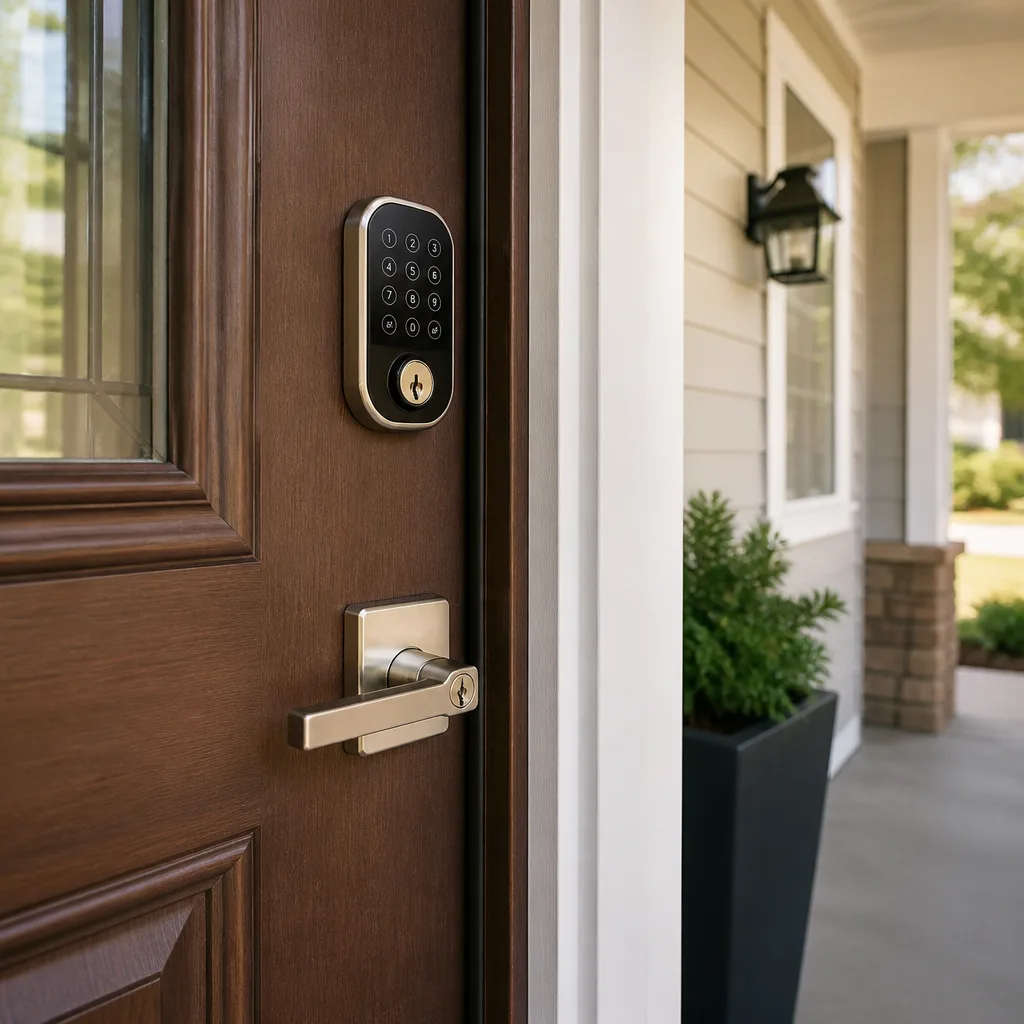
Keypad and smart lock faceplates. Electronic keypads with rubber buttons crack and yellow within two to three years of direct sun. Once the membrane cracks, moisture and dust enter the circuit board. If you have a smart lock on a south-facing door, consider installing a small weather hood or replacing the rubber membrane before it fails. This is a common failure we see in Glendale homes with electronic deadbolts installed without sun protection.
Trim ring and faceplate warping. Plated plastic trim on standard-grade deadbolts warps under sustained heat. The turn piece binds against the warped plate. This is usually a hardware replacement rather than a repair.
SPF degradation of weather seals. The rubber o-rings and weather boots around exterior cylinders dry out and crack. Once the seal is compromised, dust enters the cylinder from the Glendale air, accelerating wear on the pins.
The brand you install matters here more than most people realize. Baldwin and Yale exterior hardware, particularly their brass and bronze lines, uses solid metal faceplates rather than plated plastic. The finish patinas with sun exposure, but the structural components don’t fail the way budget hardware does. Sargent and Mul-T-Lock gear, built for commercial duty cycles, holds up even better in direct UV. When we’re asked for a recommendation on exterior hardware for a south-facing Glendale door, we usually point people toward Baldwin for residential aesthetics or Sargent for no-maintenance durability. For a deeper dive, read our guide on Choosing the Right Locksmith Brand: A Buyer’s Guide for Glendale. The up-front cost is higher, but you’re not replacing faceplates and trim rings every three years.
Glendale Seasonal Maintenance Schedule (Weather-Tied, Not Calendar-Tied)
Rather than spring and fall, which assume a climate with four distinct seasons, tie your lock maintenance to Glendale’s actual weather triggers. This schedule follows the city’s two primary modes: hot-dry and mild-cool, with Santa Ana wind events as the interruption that matters most.
Trigger 1: First Significant Santa Ana Event (Usually October-November)
- Complete the full post-Santa Ana checklist: weatherstripping, door gap, strike plate, deadbolt throw, key smoothness
- Apply graphite to all exterior pin tumbler cylinders
- Test garage door manual operation and pedestrian door locks ahead of fire season’s peak
- Check exterior padlocks for moisture before the first freezing nights
Trigger 2: First Rain of the Season (Usually November-December)
- Apply dry PTFE lubricant to all exterior padlocks and gate hardware
- Inspect weatherstripping after rain for water ingress, which is different from wind compression
- Check for rust or corrosion on any exposed metal keyway covers
Trigger 3: Post-Winter Rain Period (February-March, When Wood Has Re-Absorbed Moisture)
- Re-check deadbolt alignment. The frame that shrank in October will expand again after winter moisture, sometimes overcorrecting past the original position
- Re-tighten strike plate screws, which tend to loosen during expansion cycles
- Consider a rekeying service if you’ve had any contractor, cleaner, or tenant turnover during the winter months
Trigger 4: First Sustained Heat (May-June, Before Summer Peak)
- Apply silicone spray to sliding door tracks and locks, focusing on south and west-facing sliders
- Inspect smart lock faceplates and rubber membranes for UV cracking before the most intense sun arrives
- Test all secondary doors, including side gates and patio doors, after the spring expansion cycle
This schedule covers the full year with four clusters of tasks tied to real Glendale weather events. The total time commitment is under an hour per year, and it prevents the majority of what we see on emergency calls. A final note on timing: if you find a problem during any of these checks, and it’s beyond a simple fix, don’t wait to address it. Locks don’t heal. A binding deadbolt in October becomes a snapped tailpiece in December, and that’s a much bigger disruption than a 10-minute preventive fix.
Common Mistakes to Avoid
- Using WD-40 on any lock mechanism. It’s a solvent, not a lubricant. In Glendale’s dust, it creates a sticky paste inside cylinders that turns a smooth lock into a sticky one within months.
- Ignoring a stiff deadbolt because “it still works.” Every forced turn in a misaligned lock strains the tailpiece. The failure that follows is sudden and usually happens at the worst possible time.
- Lubricating a dirty lock instead of cleaning it. Lubricant doesn’t remove debris. If the key comes out with grit or dark residue, the cylinder needs professional cleaning, not more graphite.
- Only checking the front door. Glendale homes often have three or four exterior entry points: front, back, garage pedestrian, and side gate. The ones you use least are most likely to fail when you need them.
- Forgetting the garage during fire season prep. You test your smoke detectors. You trim the brush. The garage door’s manual release is tested, if at all, only when the power goes out. In an evacuation scenario, that’s the wrong time to discover it binds after years of heat cycles.
- Rekeying some doors but not all. After a move-in or tenant change, partial rekeying leaves the old key working somewhere on the property. This outs you to the exact risk the rekey was supposed to eliminate, especially in Glendale’s active rental market near Gendale Community College and the Americana area.
- Waiting until December to check padlocks. By the time freezing nights arrive in the foothills, moisture is already trapped inside the lock body. The preventive window is late fall, before the first frost.
When to Call a Professional
Most of the checks in this guide are DIY-friendly. But certain signs warrant a professional before you make the problem worse. If a key breaks off in a cylinder, don’t extract it yourself; broken key extraction requires specialized tools and the right technique to avoid pushing the fragment deeper. If a deadbolt spins freely, meaning the thumb turn rotates without moving the bolt, the tailpiece is likely broken or disengaged, and the lock needs disassembly. If a high-security cylinder from Medeco, Mul-T-Lock, or Abloy is sticking despite proper lubrication, the pin channels likely need professional cleaning, not more product. And if a door frame has shifted enough that re-shimming the strike plate no longer works, the frame itself may need reinforcement. Glendale Lock & Key offers free estimates in Glendale, and our technicians carry the full range of hardware we’ve discussed, from Kwikset to Medeco. Browse more guides & resources on our blog.ard residential cylinders to commercial-grade systems. Call (855) 791-2710.
Frequently Asked Questions
Twice a year for standard pin tumbler cylinders: once before the Santa Ana season starts (typically October) and once in late spring. Exterior padlocks need treatment before winter rain, and sliding door locks benefit from silicone spray every six months, more often if they get direct afternoon sun.
The dry Santa Ana air shrinks the wood in your door frame, shifting the strike plate out of alignment with the deadbolt bolt. The bolt then scrapes against the strike plate edge instead of seating cleanly, which you feel as resistance in the thumb turn or key. Tighten the strike plate screws and check the door gap.
For standard pin tumbler cylinders, yes. Graphite is dry, won’t attract Glendale’s airborne dust, and is compatible with brass components. For sliding door hardware, use silicone spray. For high-security cylinders like Medeco or Mul-T-Lock, use dry PTFE. Never use WD-40.
If the key comes out with dark residue or grit on it, or the lock still feels gritty after applying fresh lubricant, the cylinder likely has accumulated debris that lubricant can’t remove. A locksmith can disassemble the cylinder, clean the pins and springs, and reassemble it with fresh lubricant. This is especially important for high-security cylinders with precision tolerances.
Only in the foothill areas: La Crescenta, Montrose, and the upper Verdugo canyons see occasional below-40-degree nights. Exterior padlocks with trapped moisture can freeze, blocking the keyway or shackle. Treat padlocks with dry PTFE before the winter rain season to prevent this.
A basic lubrication and alignment check typically falls in the $75 to $150 range when bundled with other service, while rekeying a single lock in Glendale usually runs $20 to $35 per cylinder, varying with hardware type. Full replacement hardware costs depend entirely on what’s installed. For an exact quote, call (855) 791-2710. The price quoted on the phone is the price on the invoice, with no call-out surcharge added on arrival.
The Bottom Line
Glendale’s lock failures follow weather patterns, not seasons. The dry Santa Ana winds shrink door frames, misaligning deadbolts and stressing tailpieces. The intense UV breaks down plastic faceplates and rubber membranes. The occasional freezing foothill night freezes moisture inside unprepared padlocks. And the wildfire season makes garage door and emergency access checks a safety issue, not a convenience. Spending under an hour a year on the checks in this guide prevents most weather-related lock failures. And when a problem exceeds what you’re comfortable fixing yourself, a professional who understands the full range of hardware, from Kwikset to Medeco, is a phone call away.
Written by the team at Glendale Lock & Key, serving Glendale since 2018.