Last updated October 30, 2026
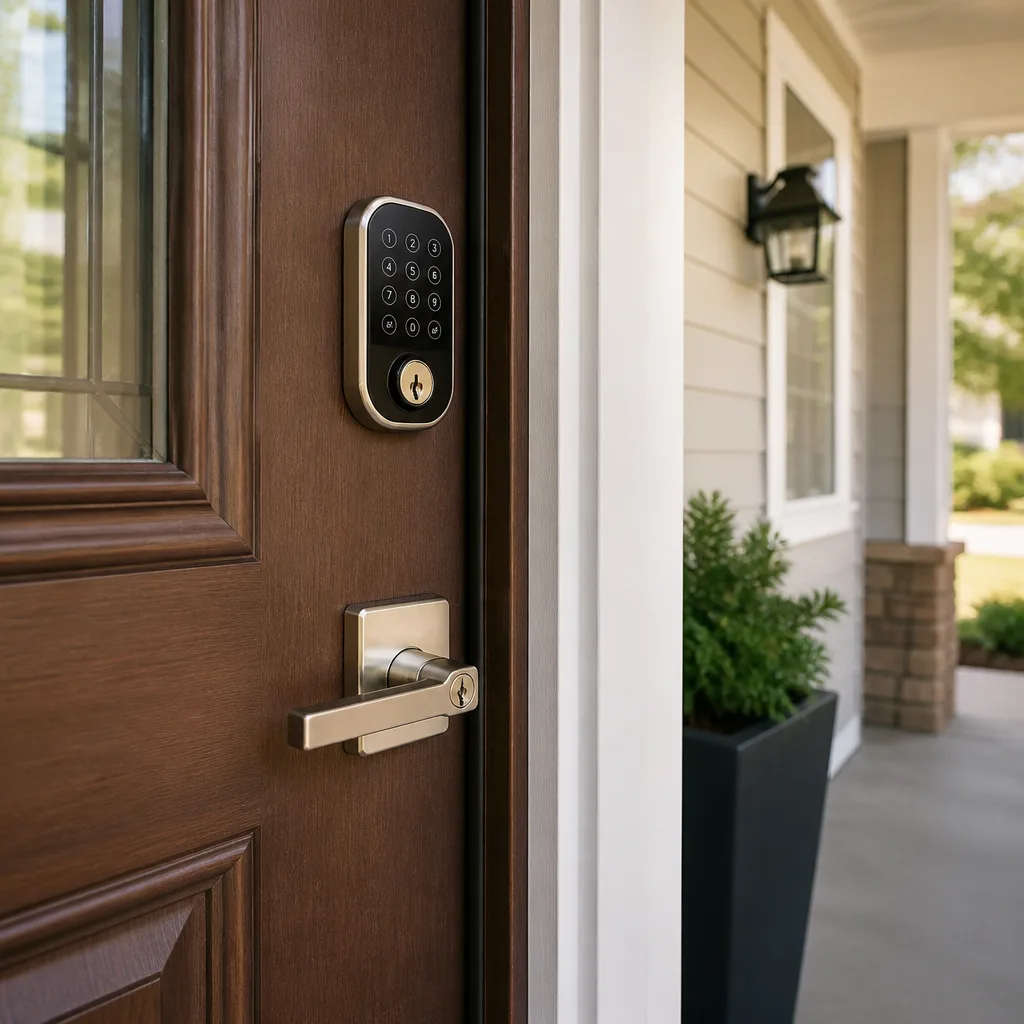 Smart locks
 House lockouts
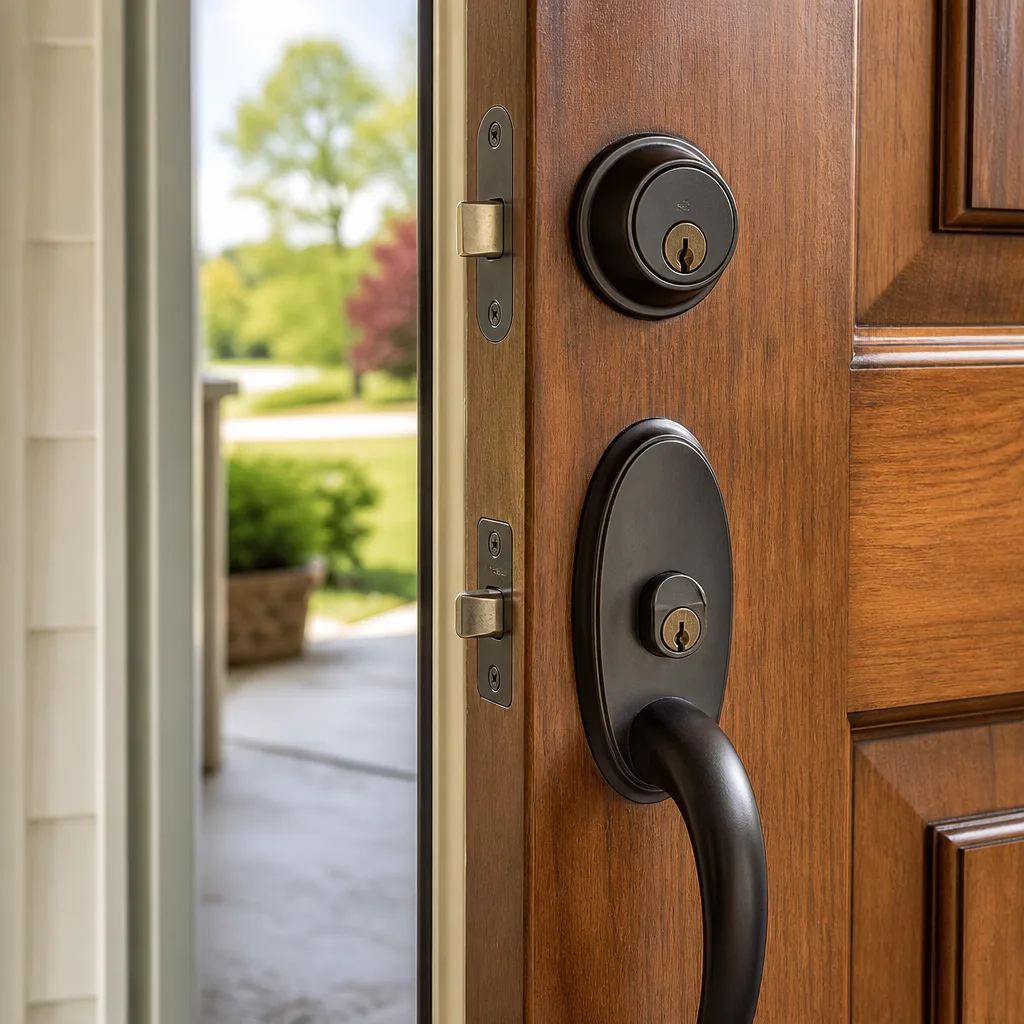 Re-keying
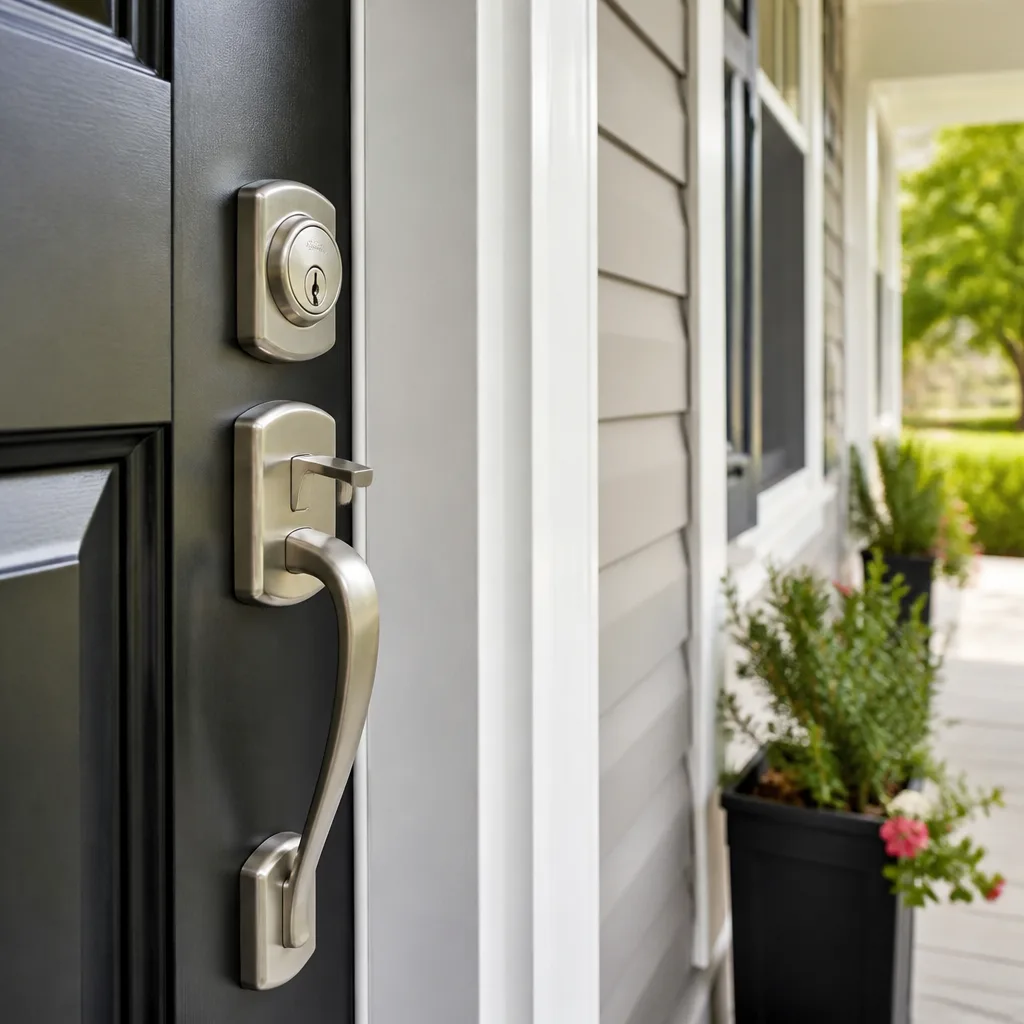
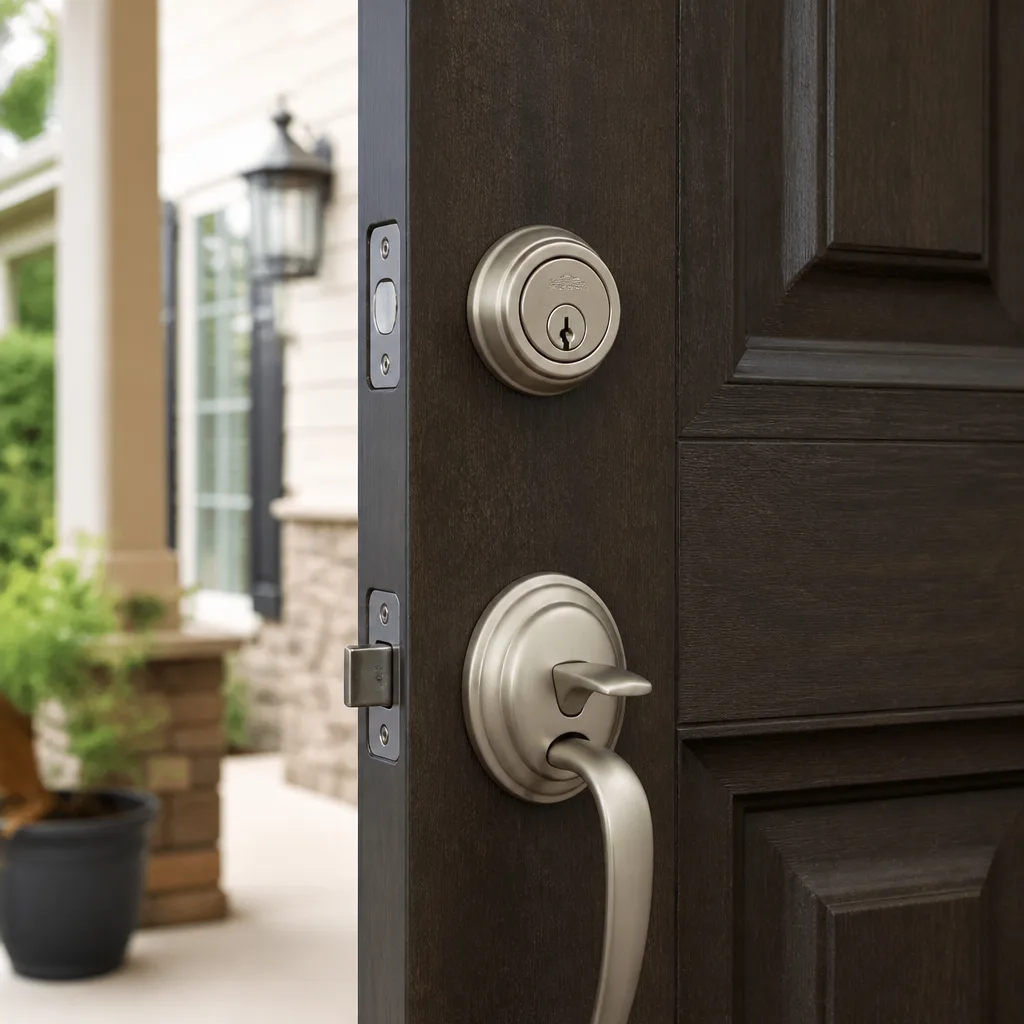 Deadbolt upgrades
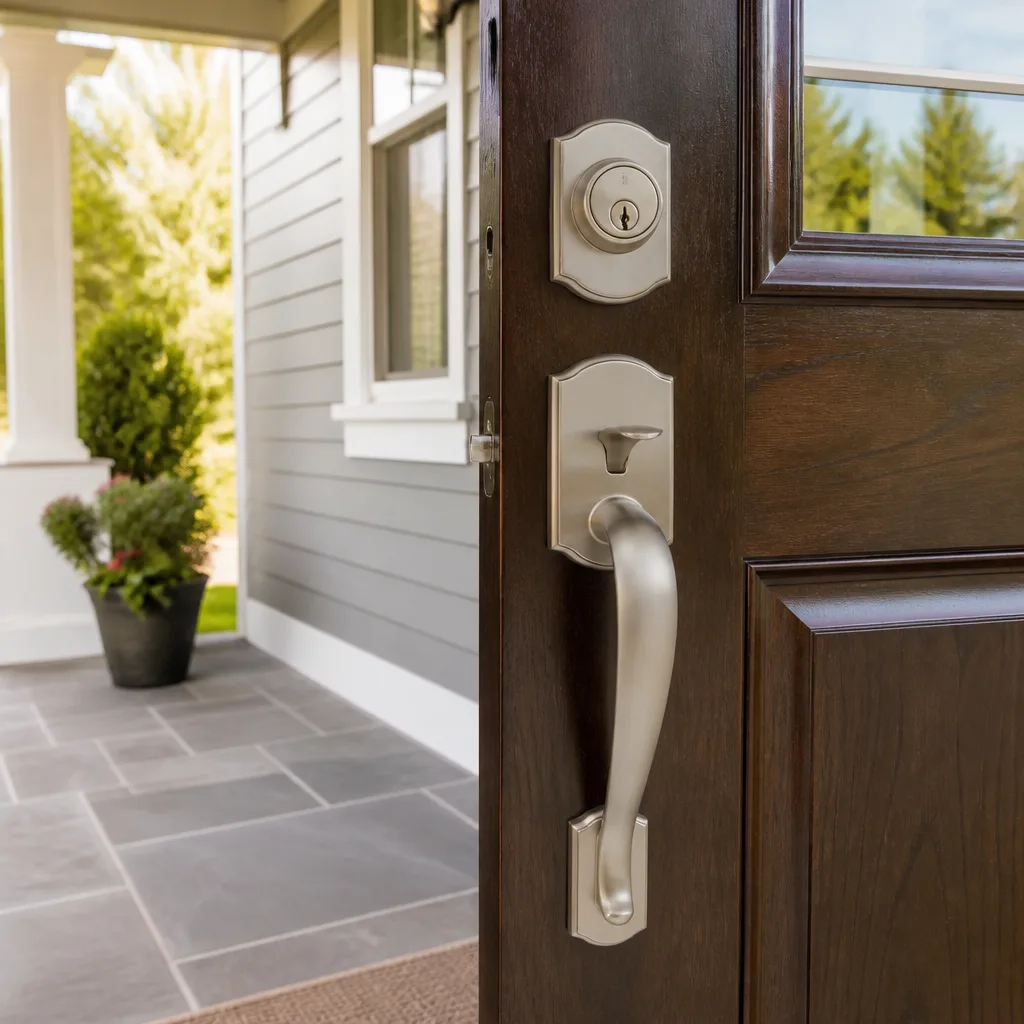 Schlage
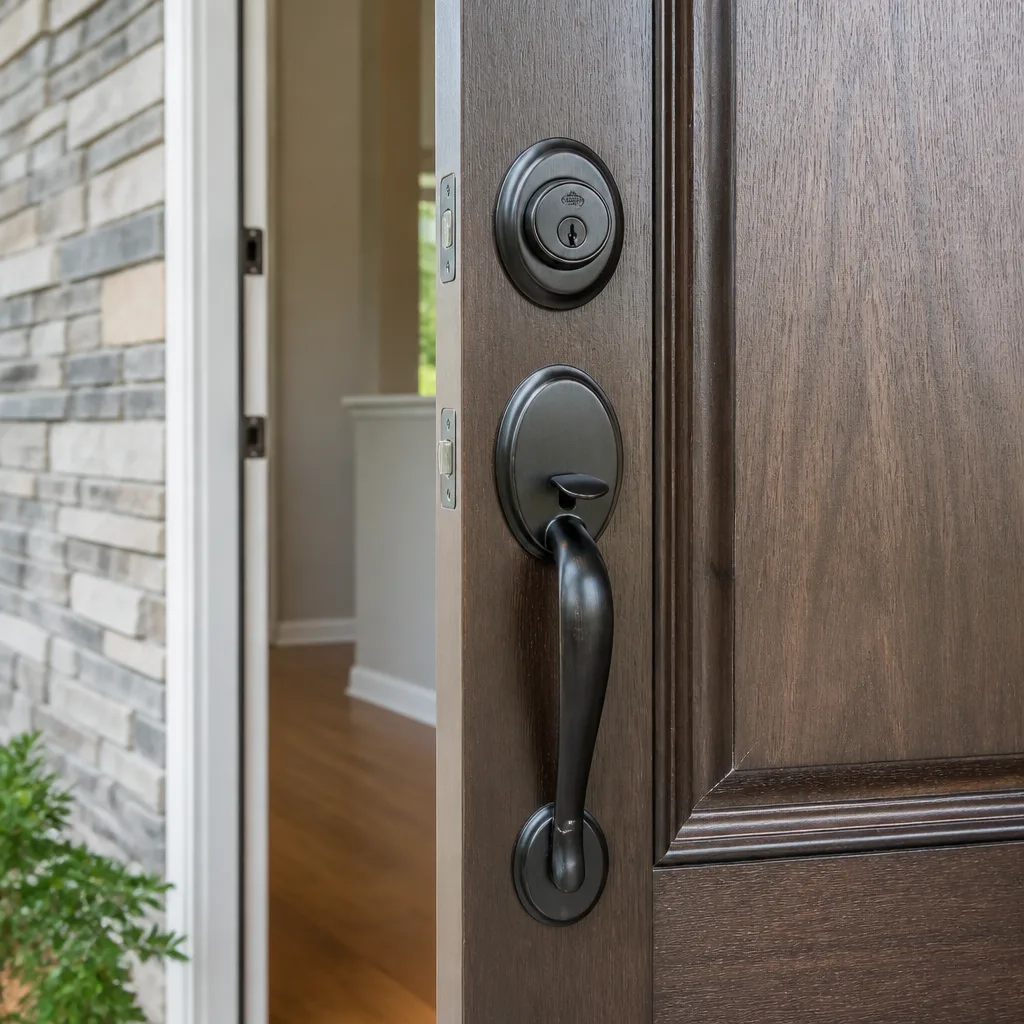 Kwikset
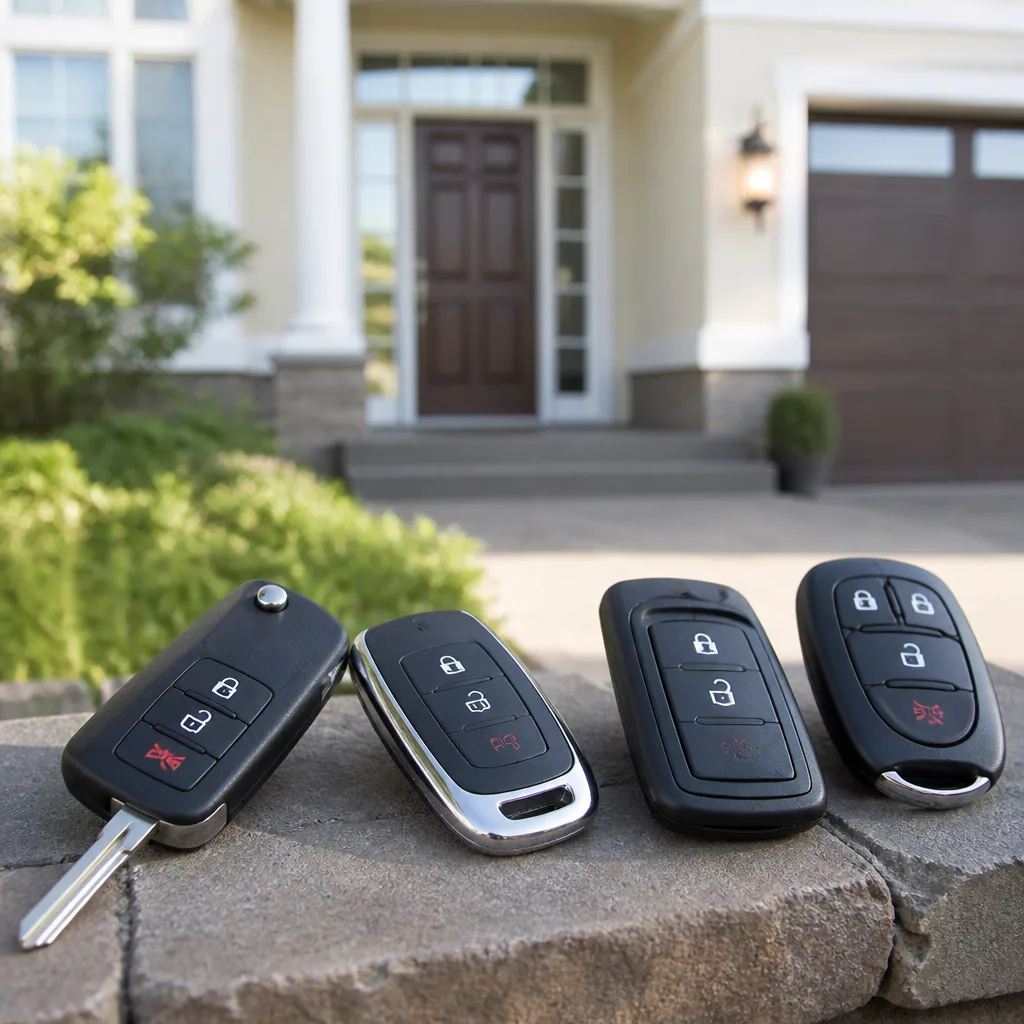 Car keys & fobs
Non-destructive entry first, always - and we re-key Schlage, Kwikset, and Baldwin locks on the spot while you watch
You get a price before we start. It does not change when we arrive. No surprises.
Get your free estimateLocksmith Warning Signs: A Glendale Homeowner’s Reference Guide
The single most reliable warning sign of a locksmith scam isn’t a high price. It’s a technician who reaches for a drill within 90 seconds of looking at your lock. Most residential cylinders in Glendale, from a basic Kwikset entry knob to a Schlage deadbolt, can be opened non-destructively by someone who has spent real time learning the trade. When a “locksmith” goes straight for the drill, what they’re really telling you is that they lack the skill to pick the cylinder. This guide walks through the technical and procedural tells that separate a legitimate Glendale locksmith from an operator who will ruin your hardware and hand you an inflated invoice, and you can find more guides & resources on our blog. By the end, you’ll know what a real service call looks like at every stage, from the first phone quote to the final key turn.
Quick Answer
Legitimate locksmiths quote specific line-item prices for identifiable work, assess the actual hardware before drilling, and can name the lock brand and model on your door. Scammers quote vague “service fees,” drill almost immediately, and bolt vague add-ons onto the invoice after the work is done. In Glendale, verify any locksmith through a physical business address and a BSIS license before you let them touch your lock.
Styles & brands we work with
Table of Contents
- The 90-Second Drill: The Primary Technical Red Flag
- Decoding the Quote: What Legitimate Line Items Look Like
- Hardware Assessment Before Quote: What It Signals
- Verifying a Glendale Locksmith’s Physical Business Presence
- What Legitimate Job Completion Looks Like
- How Bait-and-Switch Quotes Unfold in Real Time
- Which Lock Types Genuinely Require Drilling and Which Never Should
- Common Mistakes to Avoid
- When to Call a Professional
- Frequently Asked Questions
The 90-Second Drill: The Primary Technical Red Flag
This is the tell that separates a trained locksmith from a drill jockey faster than anything else, and it’s a key part of Seasonal Locksmith Care for Glendale: Year-Round Homeowner’s Guide. When a technician arrives at a Glendale home, the first thing a competent one does is look at the lock, identify the brand and cylinder type, and assess the door’s condition. A Kwikset, Schlage, or Yale residential cylinder is standard pin-tumbler hardware. A technician who has spent time on the bench can open these without drilling in a high percentage of cases. The legitimate exceptions do exist, but they’re specific and explainable.
High-security cylinders are where drilling becomes defensible. A Medeco, Mul-T-Lock, or Abloy cylinder has anti-pick features like sidebar mechanisms, rotating pins, or telescoping pins that make non-destructive entry genuinely difficult or impossible. If your door has one of these and you’ve lost the key, drilling may be the honest answer. But here’s the distinction that matters: a real Glendale locksmith will tell you before the drill comes out, explain why it’s necessary in terms of the specific cylinder, and show you the hardware after it comes out. A scammer won’t explain anything. They’ll just drill a Kwikset knob that could have been picked in three minutes, then charge you for a “high security” replacement lock they’re selling at triple retail.
- Red flag: drill appears within 90 seconds of arrival, before any attempt at non-destructive entry, and without explanation.
- Legitimate: drill appears only after the technician has identified the cylinder, explained the anti-pick features preventing non-destructive entry, and quoted the replacement cost first.
- Red flag: the technician says your “standard” lock is “high security” as a justification for drilling without naming the brand.
- Legitimate: the technician names the specific brand, for example, “This is a Medeco Biaxial, the sidebar prevents picking, here’s what I’m going to do.”
In our experience across Glendale, the drill-happy technician is the single strongest predictor of an inflated invoice. If the drill comes out fast, the price is about to go somewhere you didn’t agree to.
Decoding the Quote: What Legitimate Line Items Look Like
The phone quote is where nearly every Glendale locksmith scam either succeeds or dies. A transparent quote has specific, identifiable line items. A scam quote is built around umbrella phrases engineered to swallow money at the back end. When you call a locksmith for a lockout or rekey, listen for whether the person on the phone can actually describe the work they’re pricing.
A legitimate quote for a residential lockout in Glendale will sound roughly like this: a service call fee, a labor charge for the opening, and a parts charge only if something is broken. The service call fee covers travel and arrival. The labor charge covers the actual opening. If the lock is undamaged, that’s where the invoice ends. A legitimate quote for a rekey follows the same logic: a service call fee and a per-cylinder rekey labor charge. If you want the lock rekeyed to match others, the per-cylinder total is stated up front.
A scam quote omits the specifics. You’ll hear “service fee” without a number, or a suspiciously low number like “$19” designed to get a body to your door. Then, after the work is done, the invoice includes line items you never heard about. The most common vague add-ons reported by Glendale homeowners include:
- “High security lock fee” applied to a standard Kwikset or Schlage cylinder that has no high-security features whatsoever.
- “Emergency reprogramming charge” tacked onto a mechanical lockout that involved no electronic programming at all.
- “Lock removal and reinstallation fee” as if removing a cylinder to service it is an extraordinary step rather than basic practice.
- “After-hours dispatch fee” that appears even when the call did not occur after hours.
The most important sentence you can say on the phone is this: “I need the total price before anyone is dispatched, and that price is what I’ll pay when the work is done.” A legitimate locksmith will confirm that without hesitation. An operator running a bait-and-switch will deflect, hedge, or refuse to commit. That refusal is your answer.
Hardware Assessment Before Quote: What It Signals
Here’s a factual pattern most guides miss: the moment when a locksmith forms a price opinion tells you a lot about how they work. A technician who arrives, looks at your door, examines the lock, and then confirms or adjusts the quote is following a competency curve. A technician who quotes a flat fee sight-unseen and never revisits the lock’s actual condition is either guessing or planning to make up the difference with add-ons later.
Why does hardware assessment matter? Because a Schlage B560 deadbolt has different servicing requirements than a Baldwin mortise lock, and a Medeco cylinder is different from both. A technician who doesn’t look at the hardware before locking in a price can’t account for those differences. Either they’re planning to do the same work regardless of what’s on the door (which means they may be replacing hardware that didn’t need replacing), or they’re planning to charge you later for something they’ll claim they “discovered” once they got started.
A legitimate Glendale locksmith will spend 60 to 90 seconds examining the hardware before touching it. They’ll check whether the door is properly aligned, whether the deadbolt throws fully, whether there’s existing damage to the cylinder, and what brand they’re dealing with. For a rekey, they’ll identify the keyway and pin count. This assessment isn’t filler. It’s the difference between a clean service call and a damaged door frame, and it’s also what allows a real technician to stand behind a phone quote with confidence.
The flat-fee sight-unseen quote is common in dispatch-only operations. The person on the phone has never touched a lock, is being paid to book the call, and will hand the job off to a subcontracted technician who has no obligation to the number you were given. That’s the structural arrangement that creates bait-and-switch pricing, and it’s one reason verifying the physical business presence matters so much, which we’ll get to below.
Verifying a Glendale Locksmith’s Physical Business Presence
California locksmiths are required to hold a license issued by the Bureau of Security and Investigative Services, or BSIS. This is not optional. Anyone who performs locksmithing services in Glendale for compensation is operating illegally without one. The license number should appear on the company’s website, on any advertising, and on the invoice. It should also be verifiable through the BSIS public license lookup, which takes about two minutes.
The BSIS lookup is the first verification step. The second is a physical address cross-reference. A legitimate Glendale locksmith has an address that matches a real physical location. Check the address against Google Maps and the business’s Google Business Profile. If the address is a residential home, that’s not automatically disqualifying, many independent locksmiths run legitimate single-technician operations from home. But if the address belongs to a virtual office, a UPS store, or doesn’t exist at all, you’re dealing with a dispatch-only operation.
What does a dispatch-only operation look like in practice? It works like this. You call a number. A call center, often out of state, books the job at whatever price the script tells them. The call center then sells that job to a subcontractor. The subcontractor may or may not be licensed, may or may not be competent, and has no relationship with the number you called beyond a one-time work order. When the price inflates, and it often does, you have no recourse against the entity you actually called, because they’ll claim the technician is an independent contractor. The technician will claim the booking company set the price. You’re in the middle.
Glendale has a dense mix of apartment buildings, condos, and single-family homes. That density attracts precisely these dispatch operations, which can operate anywhere with a phone line. The physical address cross-reference is the cheapest insurance policy you can buy before handing over your door hardware to a stranger.
Here is the two-step verification process, in order:
- Ask for the BSIS license number on the phone. A legitimate locksmith will give it to you without defensiveness. Then verify it at the BSIS lookup site. If the name on the license doesn’t match the name on the invoice, that’s a problem.
- Look up the company’s physical address and cross-reference it with their Google Business Profile and Google Maps. If the address is a virtual office, a mail-drop storefront, or absent entirely, hang up and call someone else.
What Legitimate Job Completion Looks Like
Fraudulent locksmiths are excellent at one stage of the job: the moment you’re locked out and will pay nearly anything. They are consistently bad at the last stage, because they’re in a hurry to leave before you start asking questions. The last five minutes of a service call are where a legitimate locksmith’s habits reveal themselves.
Here is what a real Glendale locksmith does before leaving your property:
- Tests the lock multiple times, from both sides of the door, with the door both open and closed. They’ll throw the deadbolt, retract it, and confirm the latch seats cleanly in the strike plate.
- Hands you the new keys or the rekeyed keys and has you test them yourself. Your hand on the key is the final acceptance test.
- Documents the work. This means an invoice with the company name, address, license number, the work performed, and the line-item price. If the job involved a rekey, they’ll note the new key code.
- Explains the warranty on any replaced hardware, including what it covers and for how long.
A fraudulent operator skips most of these. They don’t test the lock repeatedly because they’re not confident the work will hold. They don’t have you test the key because they don’t want you noticing a problem while they’re still on site. The invoice is vague or handwritten with no business identifying information. And they don’t explain the warranty because there isn’t one, or because they never intend to answer your call again.
Pay attention to whether the technician hands you the keys or pockets them until you pay. A legitimate locksmith hands you the keys before the payment conversation even starts, because the work is done and the keys are yours. A scammer uses the keys as leverage to extract whatever number they’ve inflated to. One of the cleanest verification questions you can ask at the end of a job is simply, “Can I test it while you’re here?” A legitimate technician will say yes and stand there while you do.
How Bait-and-Switch Quotes Unfold in Real Time
The bait-and-switch in the Glendale locksmith market follows a pattern so consistent that homeowners can essentially clock it like a play in a game. Understanding the sequence of the play is the best defense against falling for it. Here is how the most common version unfolds, step by step.
- The phone quote is suspiciously low. Often $19 or $29, sometimes framed as a “dispatch fee” or “trip charge.” The number is designed to clear every other competitor off the board before the technician arrives.
- The technician arrives without the tools for clean non-destructive entry, or simply chooses not to use them. The drill comes out almost immediately.
- The technician declares that your lock is “high security” or “specialty hardware” and that it cannot be picked. This language is chosen precisely because you can’t verify it on the spot.
- The technician drills the cylinder, destroying it. You now need a replacement lock, and the technician conveniently has one to sell you. The price of that replacement is not the price you were quoted.
- The invoice arrives with the original low dispatch fee buried at the bottom, underneath the new line items: replacement lock, labor for drilling, labor for installation, emergency fee, and whatever else fits.
- The total is several hundred dollars. You pay because you’re exhausted, it’s late, your door is now missing a lock, and the technician is standing in your home.
The break point in this sequence is step one. If the phone quote is dramatically below what any legitimate competitor quoted, the business model is not built on that price. It’s built on the back-end that follows. Legitimate Glendale locksmiths do charge a service call fee, but they’ll be specific about it and the rest of the pricing, and they’ll acknowledge that the full price is confirmed on the phone before anyone is dispatched. That conversation is the point of no return for a scammer.
Which Lock Types Genuinely Require Drilling and Which Never Should
Here is a section most “locksmith warning signs” content never covers, because it requires knowing the actual hardware. This is the technical reference that lets you evaluate what a technician tells you in real time.
Standard residential pin-tumbler cylinders from Kwikset, Schlage, Yale, and Baldwin should almost never require destructive opening. These locks are pickable by a technician with real training. The exceptions are rare and situational: severely worn cylinders, broken keys lodged in the keyway, or physical damage to the plug. A legitimate technician will attempt non-destructive entry first and will explain why drilling is necessary if it becomes so.
High-security cylinders are a different case. Medeco cylinders use rotating pins and a sidebar mechanism. Mul-T-Lock cylinders use telescoping pins. Abloy cylinders use a rotating disc system rather than pin tumblers. These mechanisms exist specifically to resist picking, and they work. A legitimate scenario for drilling a Medeco or Abloy cylinder with a lost key is real, and your technician should explain the mechanism that prevents picking before reaching for the drill.
Smart locks and electronic deadbolts add another variable. Most smart locks include a mechanical key override, which means a lockout can often be resolved by opening the mechanical cylinder rather than drilling the electronic module. A technician who jumps straight to drilling a smart lock without checking the key override is either unfamiliar with the hardware or padding the invoice with a replacement sale.
- Never should require drilling: Kwikset, Schlage, Yale, Baldwin standard pin-tumbler cylinders without pre-existing damage.
- May legitimately require drilling: Medeco, Mul-T-Lock, Abloy high-security cylinders with lost keys and no override.
- Should not be drilled until the key override is checked: smart locks and electronic deadbolts from any brand.
Armed with this reference, you can ask the only question that matters when a drill appears: “Why does this specific lock need to be drilled?” A real technician answers with cylinder mechanics. A scammer answers with vague language about “security” and “specialty hardware.” That answer tells you everything.
Common Mistakes to Avoid
- Accepting a phone quote that is dramatically lower than every other quote you received. A $19 dispatch fee is not a business model; it is the opening move of a bait-and-switch. If the number is too low to cover a technician’s time in Glendale, you are not being quoted the real price.
- Not asking for the total price before dispatch and confirming that the total on the phone is the total on the invoice. Any legitimate locksmith will commit to this without hesitation. Refusal is the clearest warning sign you will get.
- Not verifying the BSIS license before the technician arrives. Once a technician is standing at your door with tools, the power dynamic shifts. The verification needs to happen before that point, on the phone call, when you still have leverage.
- Letting a technician drill your lock without a verbal explanation of why that specific cylinder cannot be opened non-destructively. “It’s high security” is not an explanation. “This is a Medeco cylinder with a sidebar that prevents picking” is an explanation.
- Paying an invoice without line items that identify the specific work performed. If the invoice says “lock service” and nothing else, you are being charged for whatever the technician felt like charging. Legitimate invoices itemize.
- Not checking the physical business address before you call. This takes two minutes and eliminates the entire dispatch-only category of operators. Do it before you call, not after.
- Failing to test the lock yourself before the technician leaves. Your hand on the key, turning the deadbolt, with the technician still on site, is the only acceptance test that matters. If the technician discourages it, that is a signal.
When to Call a Professional
If you are locked out, the answer is immediate: call a locksmith with a verifiable Glendale physical address and a BSIS license, and get the total price before dispatch. If you have moved into a new home or apartment and don’t know how many people hold copies of the current key, rekeying is the cost-conscious move that eliminates that uncertainty without replacing hardware you already own. If you have a high-security cylinder, a Medeco, Mul-T-Lock, or Abloy, any servicing beyond a simple cleaning is professional work, and attempting it without the right training will cost more than calling someone who works on that hardware regularly. If any of these situations apply, Glendale Lock & Key offers free estimates in Glendale. Call (855) 791-2710 and we’ll tell you exactly what the job costs before anyone is dispatched.
Frequently Asked Questions
A locksmith is likely scamming you if they quote a suspiciously low phone price, drill your lock without explaining why the specific cylinder cannot be picked, and then present an invoice with vague line items you never agreed to, as detailed in our Car Key Replacement Troubleshooting: Common Problems and How to Fix Them. Legitimate Glendale locksmiths name the specific hardware, quote specific line-item pricing, and test the lock with you before leaving. If the drill comes out within 90 seconds of arrival without explanation, that’s the clearest signal you have.
Drilling is normal only for high-security cylinders like Medeco, Mul-T-Lock, or Abloy that have anti-pick mechanisms, or for standard cylinders with pre-existing damage like a broken key lodged in the keyway. A standard Kwikset, Schlage, Yale, or Baldwin cylinder in working condition should not require drilling by a trained technician. Any technician who drills a standard working cylinder without attempting non-destructive entry first is either incompetent or inflating the invoice with a replacement lock sale.
A Glendale locksmith must hold a license from the Bureau of Security and Investigative Services, known as BSIS. The license number should be verifiable through the BSIS public lookup and should match the company name on the invoice. Anyone performing locksmith services in Glendale for compensation without a BSIS license is operating illegally, and you should not allow them to touch your door hardware.
A legitimate invoice lists the company name, physical address, BSIS license number, and itemized line items for the specific work performed. For a lockout, that means a service call fee and a labor charge. For a rekey, that means a service call fee and a per-cylinder charge. If the invoice uses umbrella terms like “lock service” or “service fee” without specifics, or if line items appear that were never mentioned on the phone, you are being overcharged.
A residential lockout in Glendale should involve a service call fee and a labor charge that, together, put you in a predictable range that has been confirmed on the phone before dispatch. A rekey runs a service call fee plus per-cylinder labor. The exact number varies by time of day, cylinder type, and whether parts are needed, which is why any locksmith who quotes a flat price without hearing about your specific lock is either guessing or planning to revise upward later. Call (855) 791-2710 for an exact quote. Estimates are free.
Yes, and in most cases rekeying is the more cost-conscious choice. Rekeying changes the internal pin configuration of your existing cylinder so the old keys no longer work and a new key does, without replacing the hardware. It is the definitive answer to the question of who holds copies of your current key. A legitimate Glendale locksmith will walk you through the per-cylinder cost on the phone before dispatching anyone.
Response time in Glendale depends on traffic, time of day, and your specific neighborhood, but any legitimate emergency locksmith commits to a window on the phone and gives you a total price before dispatch. If a company quotes a suspiciously low price and promises an unrealistically fast arrival, the price is the signal to trust, not the promise. We encourage you to call and ask directly: (855) 791-2710.
The Bottom Line
The warning signs of a fraudulent locksmith are not mysterious. They are procedural and hardware-specific, and they repeat across dozens of calls a year in Glendale: a drill deployed within 90 seconds without explanation, a phone quote that’s dramatically lower than every competitor, vague line items that appear only after the work is done, and an invoice with no verifiable business identity behind it. The defense is equally concrete: verify the BSIS license before the technician arrives, confirm the total price on the phone and confirm it matches the invoice, know which lock types genuinely require drilling, and test the lock yourself before the technician leaves. Legitimate locksmiths encourage all of these steps. Operators who resist them are telling you what you need to know. For a free estimate in Glendale, call (855) 791-2710. If you’re planning ahead rather than locked out, see our Glendale Lock & Key home page, our Car Key Replacement in Glendale service, our Emergency Locksmith in Glendale response page, and our Rekey Locks in Glendale guide for rekeying your existing hardware without replacing it.
Written by the team at Glendale Lock & Key, serving Glendale since 2018.