Last updated October 30, 2026
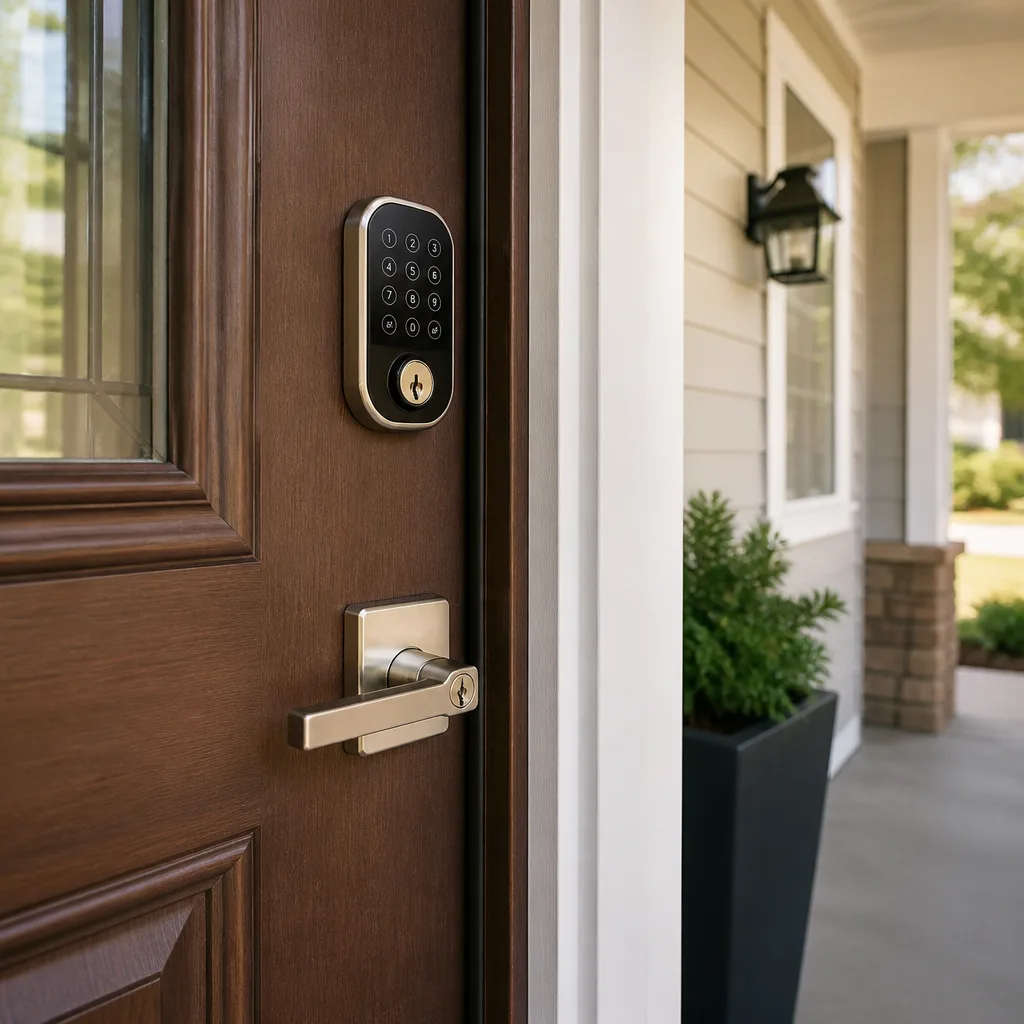 Smart locks
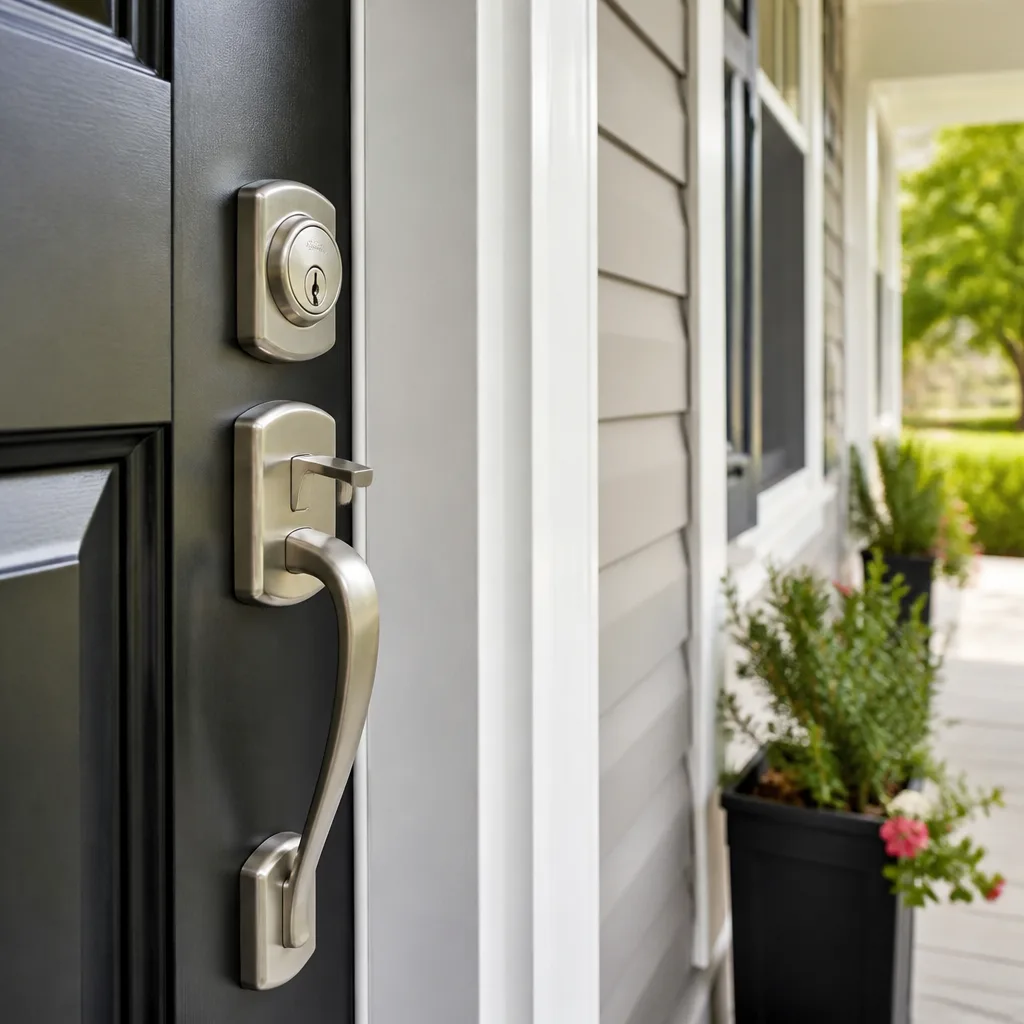 House lockouts
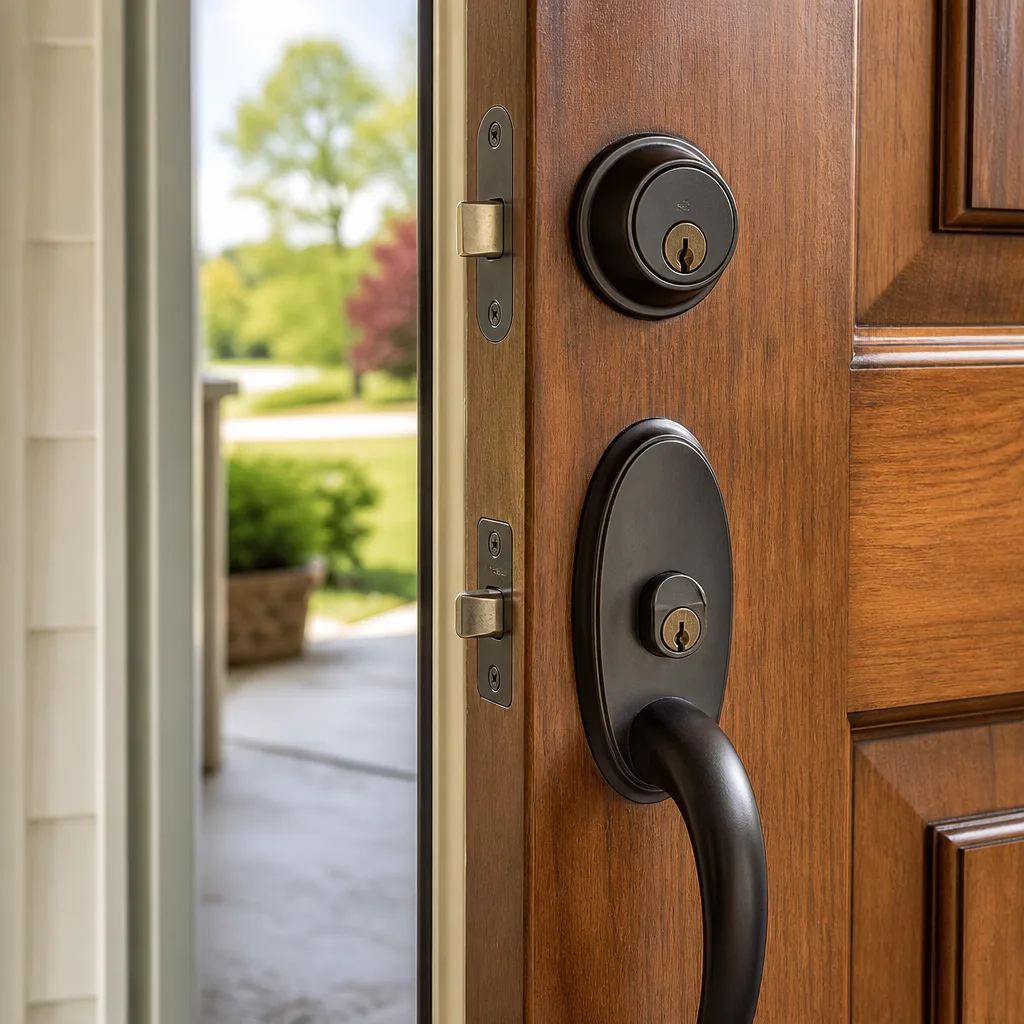 Re-keying
 Deadbolt upgrades
 Schlage
 Kwikset
 Car keys & fobs
Non-destructive entry first, always - and we re-key Schlage, Kwikset, and Baldwin locks on the spot while you watch
You get a price before we start. It does not change when we arrive. No surprises.
Get your free estimateLocksmith Permits, Codes & Inspections in CA: What You Need to Know
California is one of only a handful of states that requires locksmiths to be licensed through a dedicated bureau, yet unlicensed operators continue to advertise openly in Glendale because most customers never check. A state-issued license is the difference between a technician who passed a fingerprint background check through the Department of Justice and FBI, and someone with a drill, a Craigslist ad, and nothing to lose. This guide walks through the actual statutes, the enforcement gaps, and the practical filtering questions that separate a legitimate Glendale Lock & Key home operation from a scammer with a magnetic door sign. You’ll learn what the license number means, when a contractor’s license applies, which installations trigger permits and inspections, and how California’s consumer statutes protect you before, during, and after a locksmith shows up at your door.
Quick Answer
California requires any person performing locksmith services for compensation to hold a Locksmith Company license or be a registered locksmith employee through the Bureau of Security and Investigative Services (BSIS), including a criminal background check via the DOJ and FBI. A separate C-28 Locksmith Contractor license from the Contractors State License Board (CSLB) is required for jobs that involve building alterations, such as installing an access control system that requires cutting into walls or running conduit. Simple lock replacement, rekeying, and automotive key work do not require a city building permit, but commercial access control installations often do, and unlicensed work or price gouging during a declared emergency exposes the operator to serious civil and criminal penalties.
Styles & brands we work with
Table of Contents
- What a California Locksmith License Actually Is
- The BSIS License vs. the C-28 Contractor’s License
- When Permits and Inspections Apply
- California Consumer Protections for Locksmith Work
- How to File a Complaint and What Happens Next
- How to Verify a License Before You Hire
- Pricing Rules and the Emergency Gouging Statute
- Common Mistakes to Avoid
What a California Locksmith License Actually Is
Since 1998, California has required locksmiths to be licensed through the Bureau of Security and Investigative Services, a division of the Department of Consumer Affairs. The framework has two layers: a Locksmith Company license for the business entity, and an employee registration for each technician who actually performs lock work. Both require a criminal history background check through the California Department of Justice and the FBI. A person with a disqualifying felony conviction is barred from licensure, and the BSIS can deny an application for any offense substantially related to the duties of a locksmith, including burglary, theft, fraud, or possession of burglary tools.
The license number a company displays follows the format of a “LCO” or “LCO-XXXX” number for the company, and registered employees receive their own registration numbers. When a locksmith arrives at your Glendale home, you should be able to see both the company license and the individual’s registration card. Refusal to show either one is grounds to end the service call on the spot. We’ve seen situations in Glendale where a technician showed up with a company name on the van, but the individual was never registered under that company, which means the company was lending its name to unverified labor—one of the Locksmith Warning Signs: A Glendale Homeowner’s Reference Guide we regularly encounter. That is exactly the kind of arrangement the statute was written to prevent.
The background check does not cover driving records or civil judgments. It covers criminal history at the state and federal level. So when a company advertises “background-checked” technicians, a California locksmith license is the baseline. It is not a marketing differentiator; it is the legal floor. Any company operating in Glendale without it is operating illegally, regardless of what their website or dispatch person says.
One detail that surprises many homeowners: the BSIS license is a business license, not a competency certification. It does not test lock-picking skill, key-cutting accuracy, or familiarity with high-security hardware like Medeco or Mul-T-Lock. It verifies that the person is legally permitted to perform the work. Competency is proven through experience, training, and the ability to actually work on the hardware you have. That is why brand fluency matters. A licensed technician who has never touched an Abloy cylinder is not automatically qualified to rekey one correctly.
The BSIS License vs. the C-28 Contractor’s License
The most common point of confusion in California locksmith law is the distinction between a BSIS locksmith license and a CSLB C-28 Locksmith Contractor license. They are entirely different credentials from different state agencies, and they are required in different circumstances.
A BSIS license authorizes the holder to perform locksmith services for clients. That covers rekeying, lock replacement, lockout service, automotive key cutting, transponder programming, and installation of standalone locking hardware. It does not authorize structural alterations to a building. The moment a job involves cutting into a wall, running electrical conduit, pulling low-voltage wire through an enclosed wall cavity, or installing a hardwired access control panel, the work drifts into contractor territory.
A C-28 license from the Contractors State License Board authorizes the holder to contract for locksmith work that intersects with construction. If you own a commercial building in Glendale and want a full electronic access control system installed, with magnetic locks on entry doors, card readers, and a control panel wired into the building’s low-voltage infrastructure, the company doing that work typically needs a C-28 license, a C-7 Low Voltage Systems license, or both, depending on the scope. That is a construction project, not a locksmith service call.
Here is the practical dividing line:
- BSIS license is enough: Rekeying existing cylinders, replacing deadbolts and entry knobs, cutting new keys, programming automotive transponders, installing standalone keypad deadbolts, swapping mortise cylinders, and lockout services.
- C-28 or C-7 license is typically required: Hardwired access control panels, electric strikes wired into a power source, maglocks requiring door frame modification, intercom or buzzer entry systems tied to building wiring, and any job that requires a city building permit.
- Either may apply: A battery-powered electronic deadbolt is a BSIS-level job. A hardwired reader and controller is contractor territory. The question is whether you are modifying the building or the lock.
In Glendale, where many multi-unit residential buildings and small commercial storefronts are considering access control retrofits, we advise clients to ask one question before signing any proposal: “Does this job require a permit or a contractor’s license?” A legitimate operator answers the question directly. A contractor who hesitates, changes the subject, or says “we don’t need one of those” without explaining why is a red flag.
When Permits and Inspections Apply
Most residential locksmith work in Glendale requires no city permit and no inspection. Rekeying a Schlage deadbolt, replacing a Baldwin entry set, cutting a car key, or opening a locked door after a lockout does not trigger a building code review, though our Seasonal Locksmith Care for Glendale: Year-Round Homeowner’s Guide explains when to schedule this routine work. The work is considered maintenance of existing hardware, not an alteration to the building envelope.
The picture changes when the job involves power or structural modification. Glendale follows the California Building Code, which is based on the International Building Code with state amendments. A hardwired access control system that requires a new circuit, or an electric strike that requires cutting into a metal door frame, may trigger a permit requirement through the Glendale Building and Safety Division. The inspector’s role is to verify that the electrical work meets code, that fire-rated door assemblies are not compromised, and that egress requirements are preserved.
Egress is the critical factor that most homeowners never consider. California fire code requires that exit doors open from the inside without a key, fob, or code in commercial and multi-family occupancies. A knowledgeable installer will not install a maglock on an exit door without an integrated request-to-exit sensor and a mechanical override. An unlicensed operator may not know the requirement exists. The difference is invisible until a fire inspector visits or, worse, until an emergency occurs.
For residential work, here is what typically triggers a permit in Glendale:
- Installation of a hardwired access control panel that connects to the home’s electrical system
- Cutting new openings in doors for hardware that requires a larger bore than the existing prep
- Any modification to a fire-rated door assembly, including adding a deadbolt to a previously un-drilled fire door
- Battery-powered smart locks installed on existing preps: no permit required
If a job requires a permit, the contractor is responsible for pulling it. The homeowner should never be asked to pull a permit for work a contractor is being paid to perform. A request like that is a sign the contractor is not properly licensed, and it also transfers liability for code compliance onto the homeowner.
California Consumer Protections for Locksmith Work
California consumer law offers specific protections that apply directly to locksmith transactions, and they are stronger than most residents of Glendale realize. The most important is Penal Code Section 396, which prohibits price gouging during a declared state of emergency. If a locksmith raises prices by more than 10 percent after the Governor or a local government declares an emergency, the practice is a criminal offense, punishable by up to a year in county jail and a fine of up to $10,000. This statute was applied aggressively during recent wildfire emergencies and has been used against contractors and service providers who inflated call-out fees in evacuation zones.
The second layer is the California Business and Professions Code, which prohibits false advertising and unlicensed activity. A locksmith who advertises in Glendale using a fake local phone number, a name that impersonates an existing brand, or a license number that does not belong to them is violating these sections. The BSIS has authority to issue citations, assess fines, and refer cases for criminal prosecution. The agency also maintains a public database where you can check whether a license is current, expired, or revoked.
The third layer is contract law. In California, an estimate given over the phone is binding if it is presented as a firm quote and the customer relies on it. A technician who quotes $75 on the phone and then demands $400 after replacing a cylinder that was already described can be sued for deceptive practices and may be liable for the excess amount, plus attorney’s fees under certain consumer statutes. The practical takeaway: get the price in writing before the work begins, or at minimum repeat it back to the dispatcher and write down the name of the person who gave it.
How to File a Complaint and What Happens Next
If you have a dispute with a locksmith in Glendale, the complaint process is straightforward, and it is worth using because enforcement data drives future licensing decisions.
Step one is to document the incident. Write down the date, the technician’s name, the vehicle description, the license number displayed, the phone number you called, and the amount you paid. Take photos of any damage, any invoice, and any lock hardware that was installed.
Step two is to file a complaint with BSIS. The bureau accepts complaints online or by mail, and it investigates allegations of unlicensed activity, fraud, deceptive pricing, and failure to display a license. What it cannot do is force the locksmith to refund your money. That requires civil action in small claims court, which handles disputes up to $12,500 in California for individuals.
Step three, for jobs involving construction or building alterations, is a complaint to the Contractors State License Board. If a contractor performed C-28 work without a license, the CSLB can issue citations and refer the case for criminal prosecution. Unlicensed contracting in California is a misdemeanor, punishable by up to six months in jail and a $5,000 fine for a first offense, plus administrative penalties.
- Document everything: names, license numbers, photos, invoice, timeline.
- File a complaint with BSIS online or by mail; include all documentation.
- If construction or building alterations were involved, file a separate complaint with the CSLB.
- For financial recovery, file a small claims action in Los Angeles County Superior Court, Glendale or Downtown LA branch.
- Report fraudulent advertising to the Glendale Police Department and the Los Angeles County Department of Consumer and Business Affairs.
In our experience, the complaint system works slowly but does work. A documented pattern of complaints follows a company across renewals and eventually catches up. The system is not designed to refund you quickly; it is designed to remove bad actors from the marketplace. For ongoing protection, browse our more guides & resources on hiring and working with locksmiths.
How to Verify a License Before You Hire
The most effective hiring filter in the California locksmith market is a 60-second license check before you ever make the call. It works like this:
- Visit the BSIS license verification portal at bsis.ca.gov and search for the company name.
- Confirm the license is current. An expired license is not valid, and it means the company has been operating without legal authorization.
- Ask the dispatcher for the technician’s individual registration number. If they refuse or cannot provide it, that is the end of the conversation.
- When the technician arrives, ask to see the registration card and confirm the name matches the person standing at your door.
- Check the CSLB database if the job involves any building alteration or hardwired access control work.
A company that passes all five steps has cleared the minimum legal threshold in California. That does not mean the work will be good. It means the operator is legally authorized to be in your home, which is the baseline from which all other evaluation begins. After the license check, ask about brand experience. If you have a Mul-T-Lock cylinder on your front door and the dispatcher does not recognize the name, keep looking. If the company works on Schlage, Kwikset, Medeco, Yale, Baldwin, Mul-T-Lock, Sargent, and Abloy without hesitation, you are dealing with someone who has seen the range of hardware that actually exists in Glendale homes and businesses.
For quick reference, here is what each credential means:
- BSIS Locksmith Company License: The company is authorized to perform locksmith services in California.
- BSIS Employee Registration: The individual technician has passed a DOJ and FBI background check.
- CSLB C-28 License: The contractor may contract for locksmith work involving construction or building alterations.
- CSLB C-7 License: The contractor may install low-voltage systems, including hardwired access control.
Pricing Rules and the Emergency Gouging Statute
Locksmith pricing in California operates in an unusual space. There is no state fee schedule for locksmith services, which means a legitimate company sets its own rates based on labor, hardware cost, and expertise. But there are hard legal boundaries around how those rates are communicated and applied.
The most important rule is the prohibition on false advertising. A $19 service call advertised to generate leads, followed by a $250 labor charge for a two-minute lockout, is not a competitive pricing strategy. It is bait advertising, and it violates the Business and Professions Code. The same applies to a phone quote that changes before the technician touches a tool. A company that quotes a total on the phone must honor that total unless the technician discovers a condition that genuinely changes the scope, and even then, the customer must approve the new price before the work proceeds.
The Penal Code 396 emergency statute is the sharpest tool in the consumer’s arsenal. During a declared emergency, locksmiths cannot raise rates more than 10 percent above their pre-emergency pricing. The statute applies to goods and services including housing, and a locksmith exploitatively inflating a lockout fee in an evacuation zone is committing a criminal offense. The practical application in Glendale is less abstract than it sounds: during wildfire season, when mandatory evacuation orders have been issued for nearby foothill communities, a lockout or rekey job in Glendale falls within the moral if not always the legal boundary of the statute. A company that raises emergency rates because “demand is high” during a regional emergency is on legally thin ground.
The cleanest way to avoid pricing disputes is to ask for the total price on the phone, including the service call, labor, and hardware. A professional operation gives you a firm number. A bait-pricing operation gives you a “from” number and a story. We quote the full price on the phone before anyone is dispatched, and that is the price on the invoice. No call-out surcharge added on arrival, no discovery fee, no ladder charge, no “it’s a commercial lock” upcharge after the fact. If the job changes scope, the new price is approved before the work starts.
Common Mistakes to Avoid
- Hiring before checking the license. The license check takes 60 seconds and eliminates the operators who are neither licensed nor insured. Skipping it is like hiring a driver without checking for a license plate.
- Accepting a “$19 service call” quote as the total price. That number is a lead-generation hook, not an estimate. The total you pay is the line that matters, and you should have it in writing before the technician touches a tool.
- Paying before seeing the invoice line items. A legitimate invoice itemizes labor, hardware, and any dispatch fee. An invoice that says “service rendered” in one line is a request to not look too closely.
- Allowing a technician to drill a lock without confirming the brand and cylinder type. Drilling is a last resort. A technician fluent in Schlage, Kwikset, Medeco, Yale, Baldwin, Mul-T-Lock, Sargent, and Abloy hardware knows how to open or rekey most locks without destructive entry. A technician who reaches for the drill immediately may not know how to pick a high-security cylinder, and drilling a Medeco or Abloy lock destroys hardware that costs hundreds to replace.
- Assuming a contractor’s license is the same as a locksmith license. They are separate credentials from separate agencies. A C-28 contractor is not automatically authorized to perform locksmith services, and a BSIS license does not authorize construction work.
- Failing to check the technician’s individual registration. The company license covers the business, not the person at your door. That person should carry a BSIS registration card, and the name should match their ID.
- Pulling a permit yourself for work a contractor is being paid to perform. The contractor owns the permit in California. If they ask you to pull it, they are transferring liability onto you, and it is usually a sign they are not licensed to pull it themselves.
When to Call a Professional
Some situations are straightforward enough to handle without help. A sticky deadbolt that works with a little graphite is not a service call. But the threshold is lower than most people think. If a key breaks off in an ignition, forcing it out with needle-nose pliers risks damaging the cylinder and turning a $100 job into a $500 one. If a high-security cylinder from Medeco or Mul-T-Lock is involved, the stakes are higher: those cylinders are precision-machined, and an improvised repair voids the system’s key-control warranty. If a lockout happens at 2 a.m. on a cold night, the risk calculation changes entirely: time matters, and the cost of a professional Emergency Locksmith in Glendale is lower than the cost of a broken window or a night in the car. If you are considering a rekey after a tenant turnover or a lost key, the job requires precision that a Rekey Locks in Glendale service handles in under an hour without replacing hardware. And if you need a transponder key programmed for a modern vehicle, the equipment is specialized and the job is not a driveway project. Glendale Lock & Key offers free estimates in Glendale – call (855) 791-2710.
Frequently Asked Questions
No permit is required to rekey existing locks in Glendale. Rekeying is maintenance of existing hardware, not a building alteration. The work is done on-site using the existing cylinders, and no city inspection is triggered.
A BSIS locksmith license authorizes locksmith services including rekeying, lock replacement, lockouts, and automotive key work. A CSLB C-28 Locksmith Contractor license is required for locksmith work that intersects with construction, such as hardwired access control installation or door frame modification. Most residential locksmith jobs require only the BSIS credential.
Search the company name in the BSIS license verification portal at bsis.ca.gov, confirm the license is current, then ask the dispatcher for the technician’s individual registration number and request to see the registration card when the technician arrives. The name on the card should match the person at your door.
A firm phone quote is binding if the customer relies on it and the technician discovers no material change in the job scope. A technician who quotes $75 and then demands $400 after the fact without prior approval is violating California’s false advertising and deceptive practices statutes. Get the total price on the phone before anyone is dispatched.
Document the damage with photos, record the technician’s name and license information, and file a complaint with BSIS. If the damage involves building alterations, file a separate complaint with the CSLB. For financial recovery, small claims court in Los Angeles County handles disputes up to $12,500 for individuals.
No. Penal Code Section 396 prohibits price increases of more than 10 percent during a declared state of emergency. This applies to locksmith services, and violations are criminal offenses punishable by jail time and fines up to $10,000.
The Bottom Line
California’s locksmith licensing framework is one of the most specific in the country, and it exists because the industry has a documented history of bait pricing, unlicensed operation, and consumer harm. Use the system. Check the BSIS license before you call. Confirm the technician’s individual registration before you open the door. Ask for a firm total price on the phone, and hold the technician to it. Distinguish between a BSIS locksmith license and a C-28 contractor’s license, and know when a permit applies. If the job involves a high-security cylinder from Medeco, Mul-T-Lock, or Abloy, or a modern Car Key Replacement in Glendale with transponder programming, the rules matter more, not less. The operators who follow these rules are the ones you want working on your locks. The ones who don’t are the reason the statute exists.
Written by the team at Glendale Lock & Key, serving Glendale since 2018.