Last updated October 30, 2026
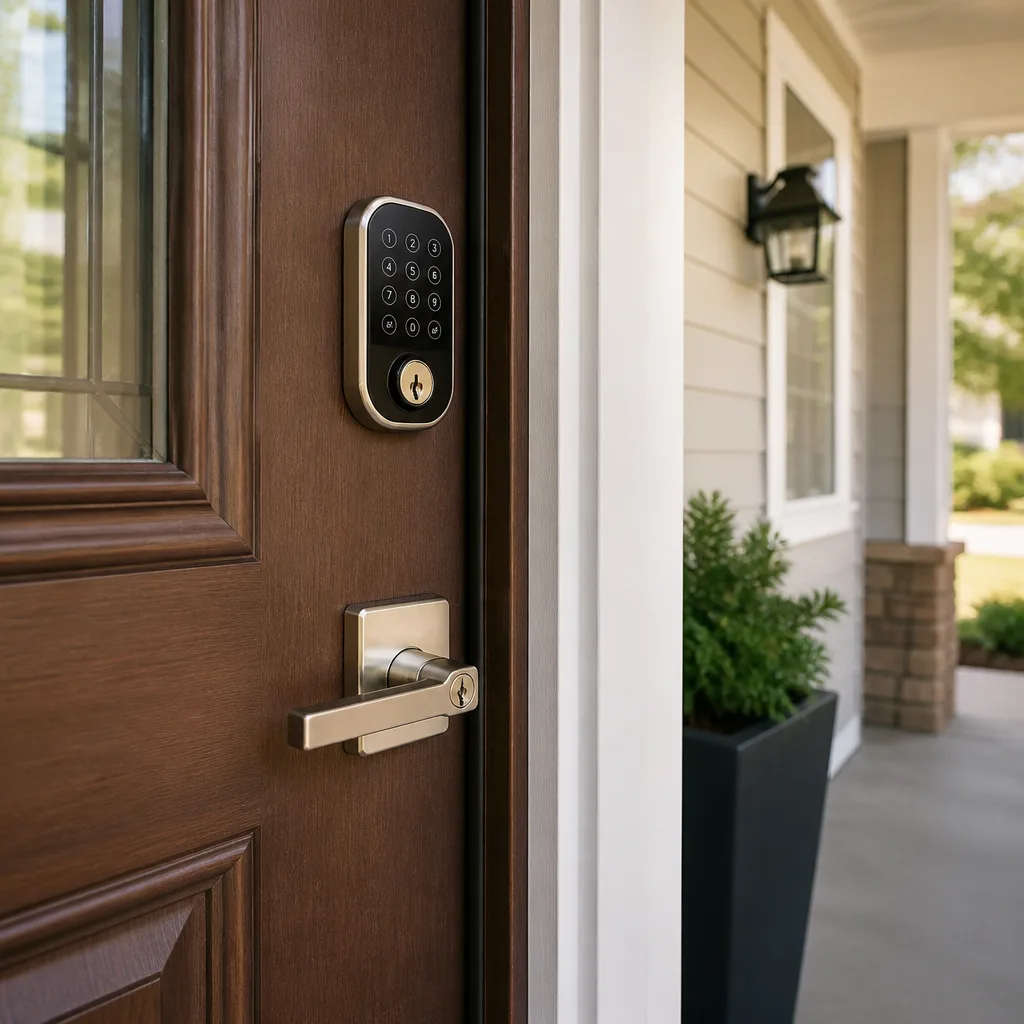 Smart locks
 House lockouts
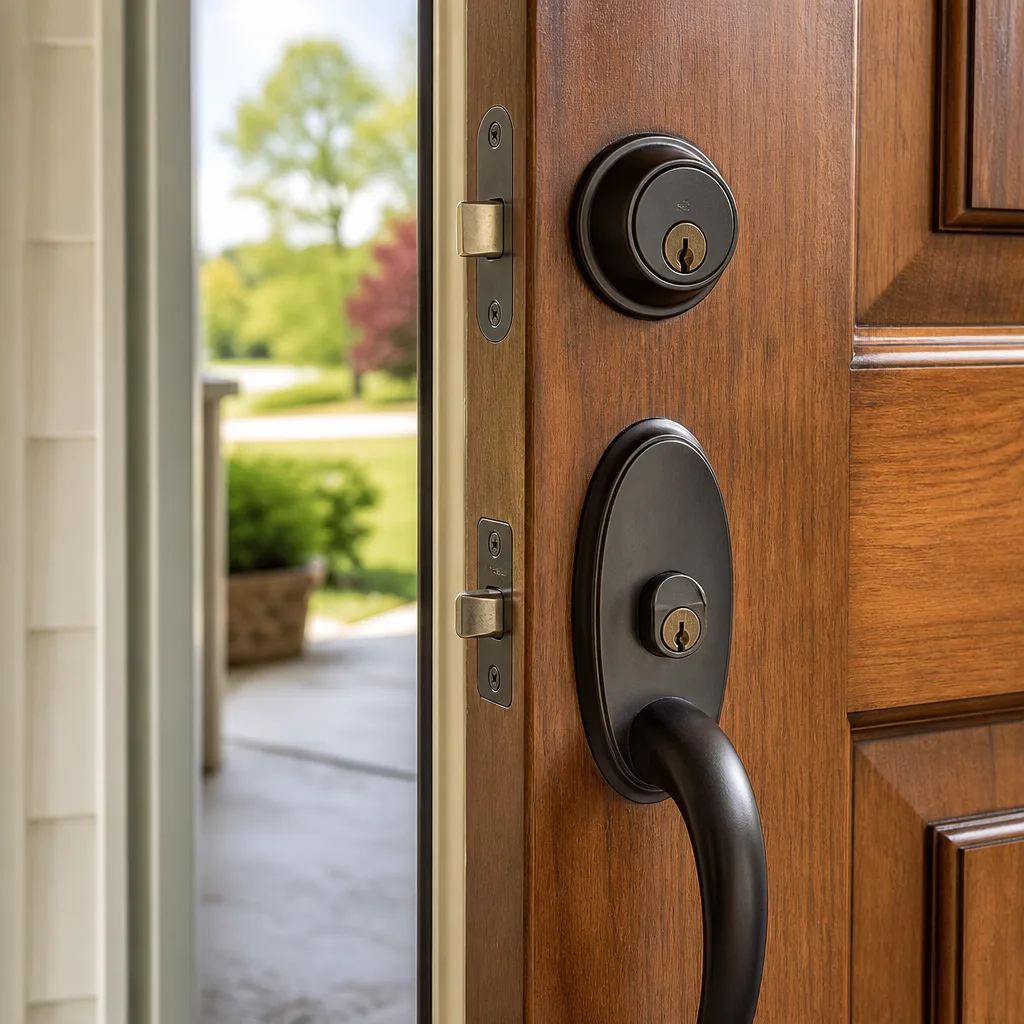 Re-keying
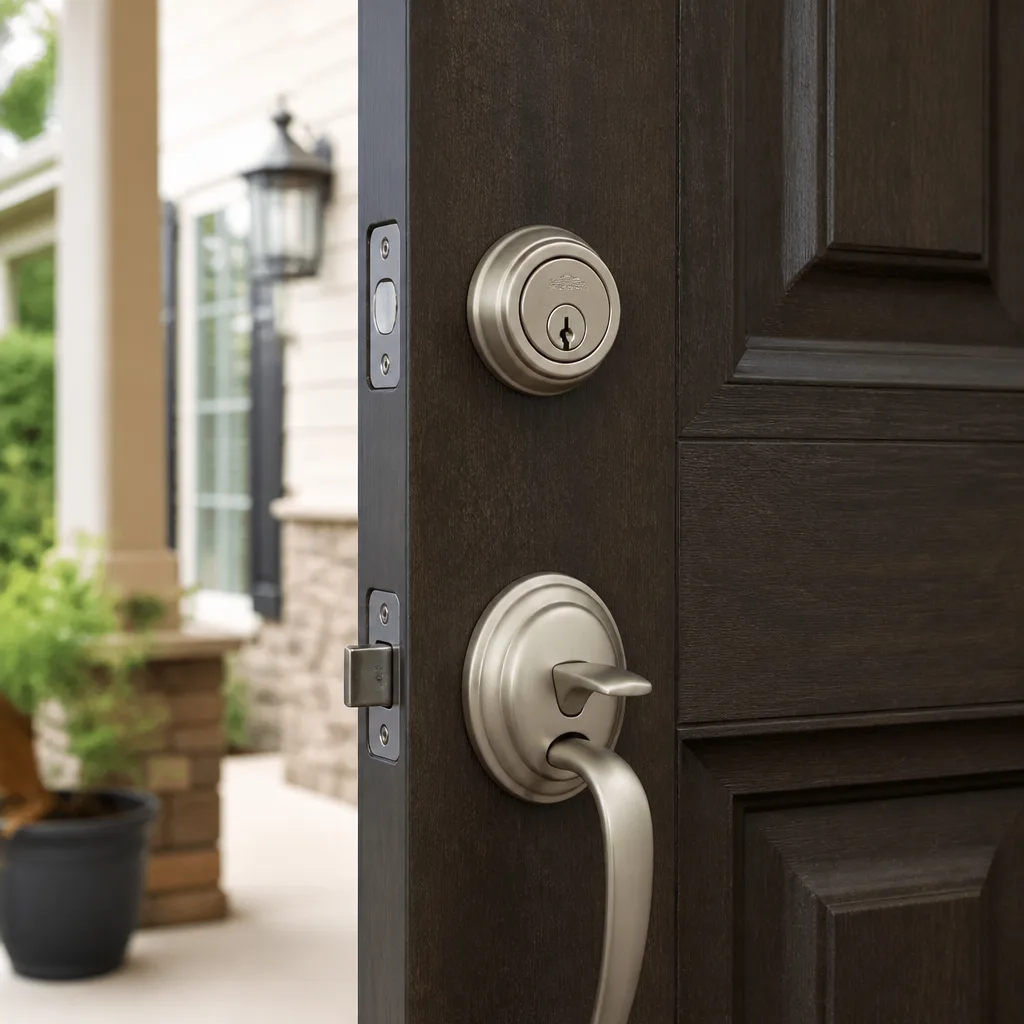 Deadbolt upgrades
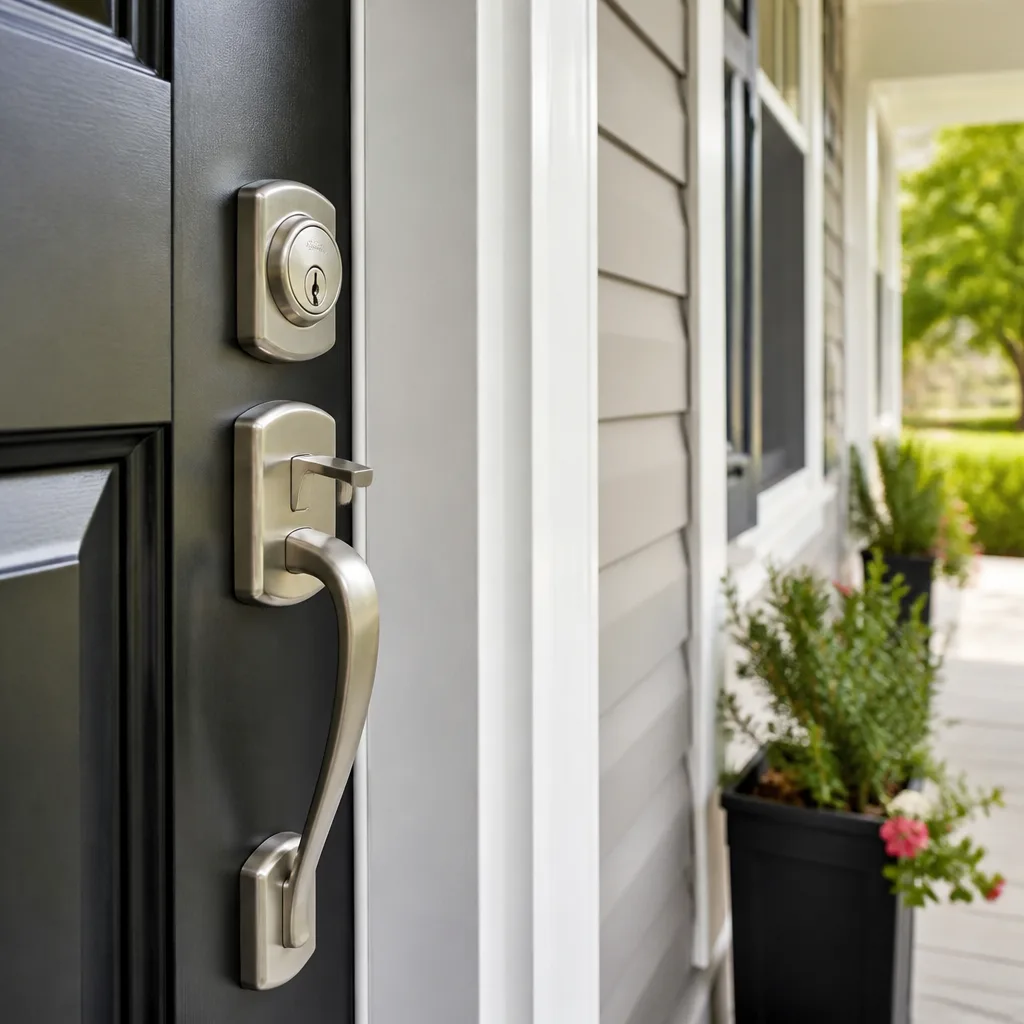
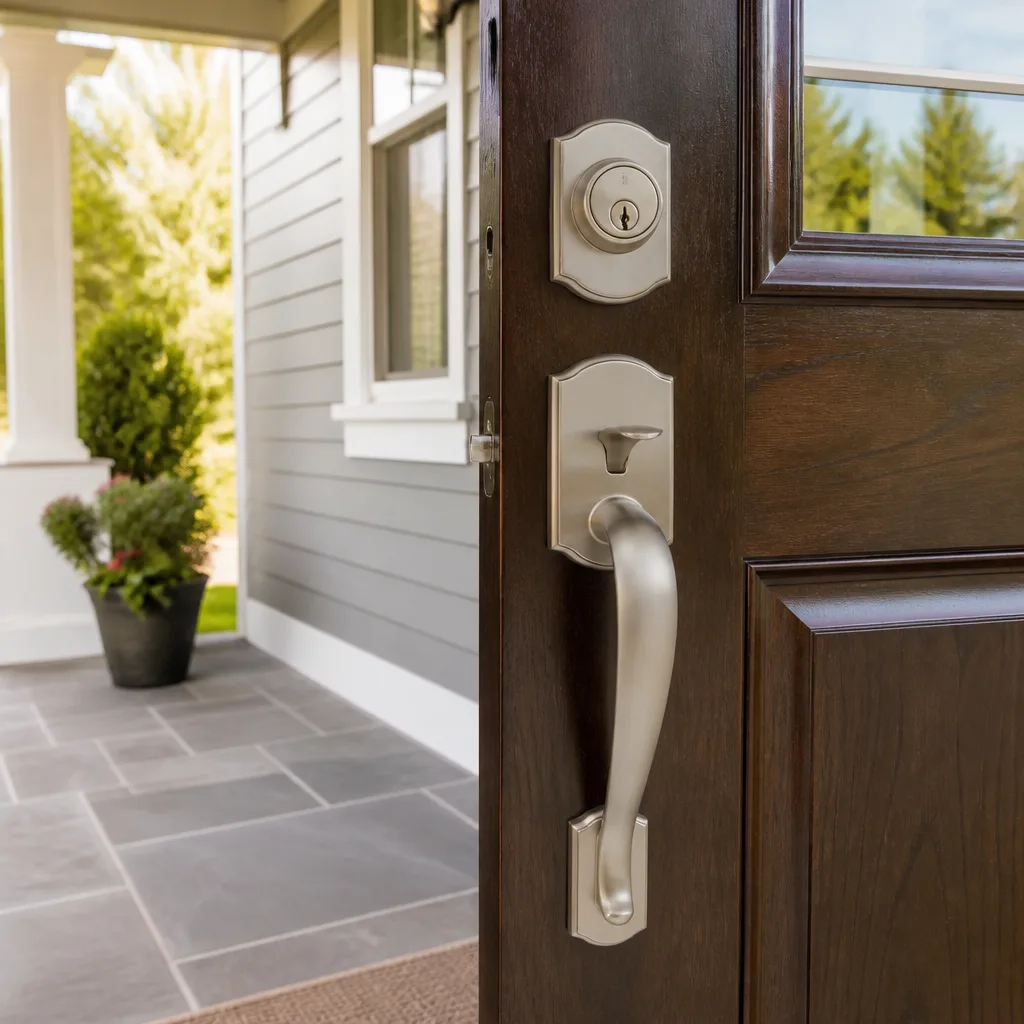 Schlage
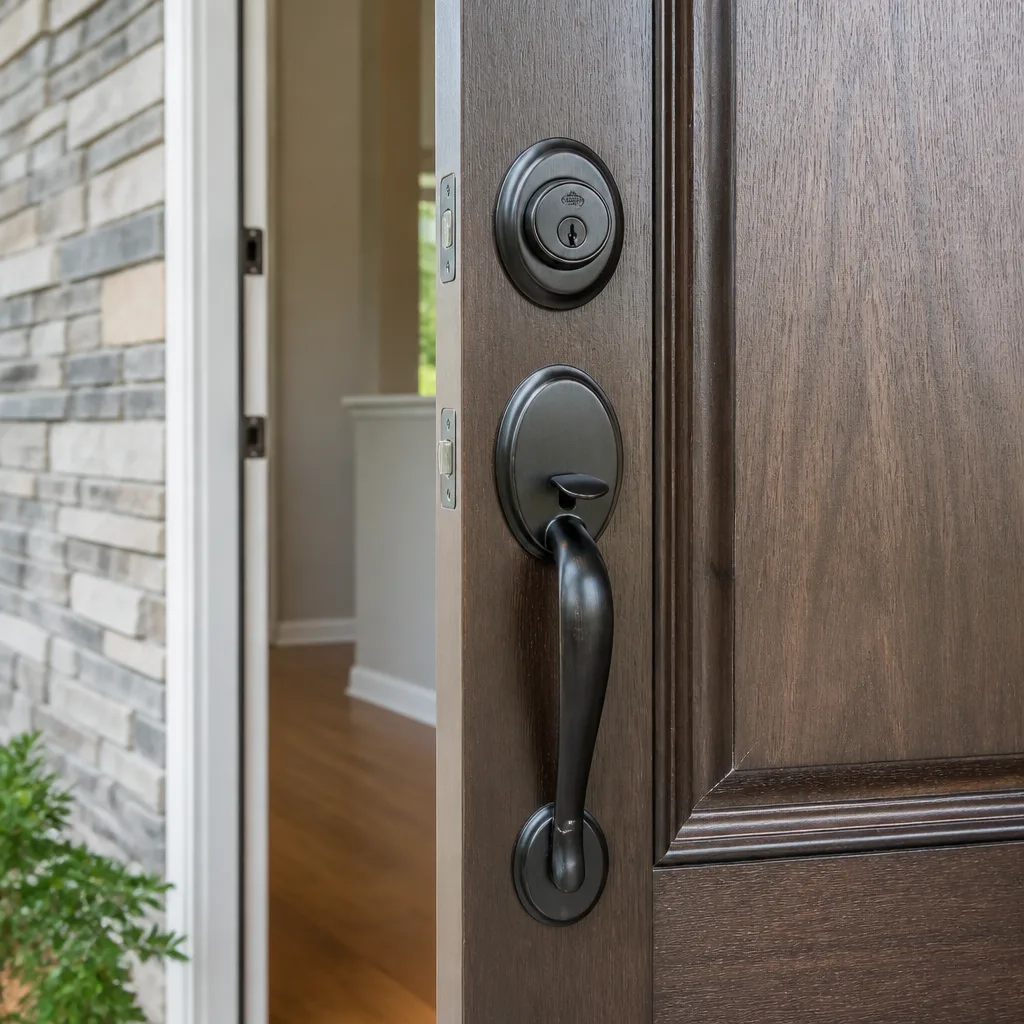 Kwikset
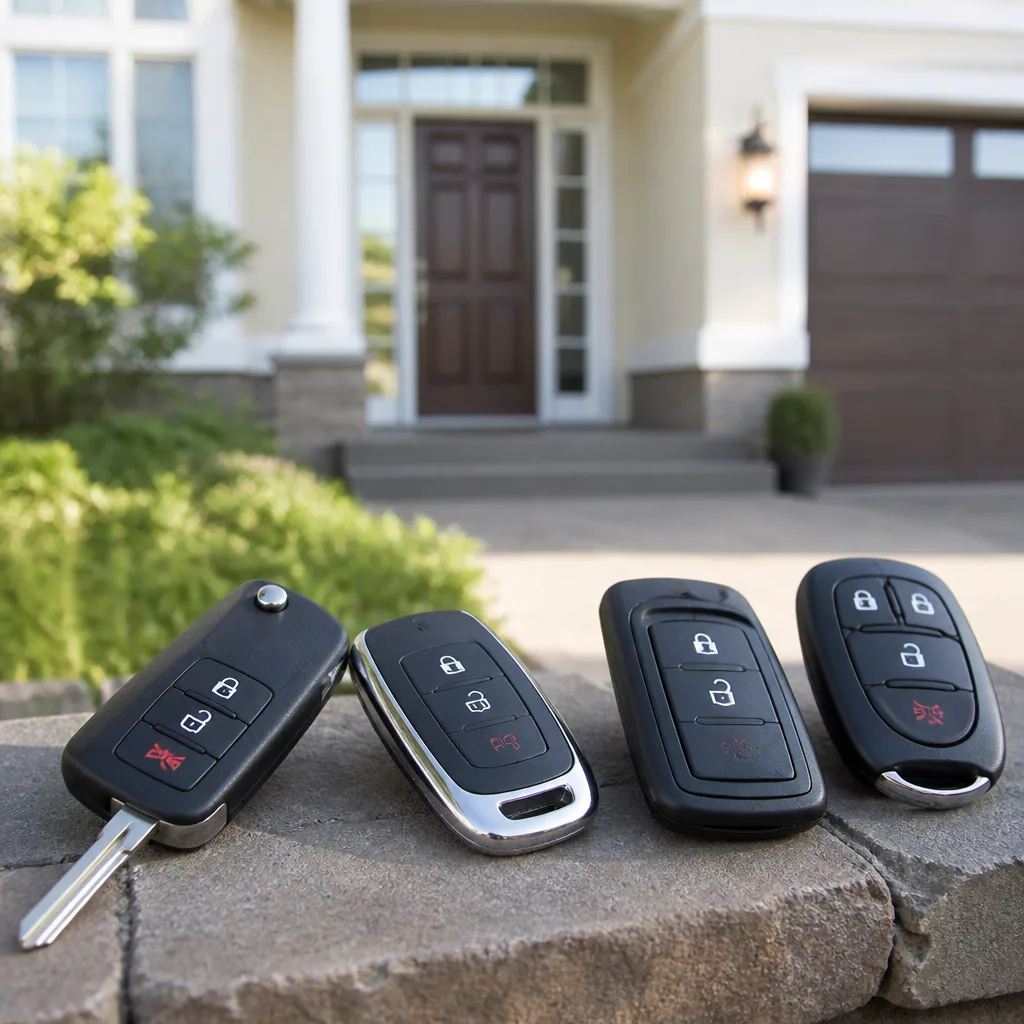 Car keys & fobs
Non-destructive entry first, always - and we re-key Schlage, Kwikset, and Baldwin locks on the spot while you watch
You get a price before we start. It does not change when we arrive. No surprises.
Get your free estimateDIY vs Professional Locksmith: The Glendale Homeowner’s Decision Guide
Replacing a Kwikset knob with a Schlage deadbolt is a legitimate DIY job for anyone who can drill a straight hole. Rekeying that deadbolt yourself with a rekey kit is technically possible but voids the warranty and often leaves the cylinder with reduced driver spring tension – a real security downgrade that isn’t obvious until someone bumps it. This guide draws the line at the task level, not the skill level. You’ll learn exactly which lock jobs a competent Glendale homeowner can safely handle, which ones quietly create liability, and where the cost of a mistake exceeds the cost of a professional. By the end, you’ll have a decision framework that applies to every lock in your home, and you’ll know where to find more guides & resources for Glendale homeowners.
Styles & brands we work with
Quick Answer
DIY locksmith work makes sense for surface-level hardware swaps like changing a door knob, strike plate, or padlock. Professional work is required when the job touches the cylinder itself – rekeying, key cutting, transponder programming, or any high-security hardware from Mul-T-Lock or Abloy – because those tasks demand calibrated tools, brand-specific training, and tolerances a consumer kit cannot hold.
Table of Contents
- What a Competent Homeowner Can Safely Do
- Why DIY Rekey Kits Produce Inferior Results
- Warranty and Insurance Implications of DIY Lock Work
- Automotive Keys: Why Programming Is Always Professional
- When DIY Is the Right Call – and What to Buy
- High-Security Hardware: Where the Boundary Is Absolute
- Renters, HOAs, and Glendale Property Rules
- Common Mistakes to Avoid
- When to Call a Professional
- Frequently Asked Questions
- The Bottom Line
What a Competent Homeowner Can Safely Do
Let’s be precise about what we mean by “DIY locksmith work.” The task-level decision matrix below separates jobs that are really just mechanical swaps from jobs that require cylinder-level expertise. The dividing line is not whether you’re handy. It’s whether the job involves the lock’s internal pinning, keying, or electronic programming.
Safe DIY: Surface-Level Hardware
- Door knob and lever swaps: Replacing a worn Kwikset or Schlage knob with a new unit of the same backset is a thirty-minute job with a Phillips screwdriver. The cylinder comes pre-assembled. You’re not touching pins, springs, or key bitting. This is the textbook definition of a homeowner-appropriate job.
- Deadbolt replacement with fresh hardware: If you’re buying a brand-new Schlage B60 or similar deadbolt, the installation is straightforward: two screws, a strike plate, and a snug fit. The lock arrives keyed and tested from the factory.
- Strike plate and latch plate upgrades: Swapping the standard strike plate for a reinforced security strike with 3-inch screws is a genuine security improvement and requires nothing more than a drill and a screwdriver. In Glendale’s older housing stock – think the 1920s bungalows in Rossmoyne and the post-war ranches in Verdugo Woodlands – the original strike plates are often held by half-inch screws into soft door frames. This upgrade alone makes a door meaningfully harder to kick in.
- Padlock replacement: Cutting or replacing a padlock on a gate, shed, or storage locker is simple. Buy a decent laminated padlock, install it, and you’re done. No cylinder work involved.
- Key organization and tracking: Labeling keys, creating a key inventory, and storing spares in a lockbox is a task every homeowner should do. It doesn’t require a locksmith and it reduces the chance of needing an emergency call later.
The Line You Shouldn’t Cross
Any task that involves disassembling the cylinder – the rotating core where the key enters – crosses into professional territory. That includes rekeying, repinning, master-keying, key extraction from a broken cylinder, and any work on a high-security system. The reason isn’t gatekeeping. It’s a matter of mechanical tolerances measured in thousandths of an inch.
In our experience working on Glendale homes, the most common DIY failure we encounter is a homeowner who successfully swapped hardware but misaligned the latch, creating a door that drags, sticks, or fails to latch securely. The second most common is a smart lock installed on an old door with a misaligned deadbolt bore, causing the motor to bind and the lock to chew through batteries in three weeks. Both are fixable. Both could have been avoided by understanding what a proper alignment looks like before starting.
For anyone in Glendale who wants a second set of eyes before starting, our Glendale Lock & Key home page outlines the full range of what professional service covers – it’s a useful reference for knowing where the boundary sits.
Why DIY Rekey Kits Produce Inferior Results
The honest truth: a DIY rekey kit from a hardware store will technically change the key that operates your lock. It will not produce the same result as a professional rekey. The gap comes down to three specific mechanical issues that no consumer kit addresses.
Mixed Driver Springs and Inconsistent Pin Stacks
A professionally rekeyed cylinder uses driver springs calibrated to a specific length and tension. When a locksmith rekeys a lock, they remove the plug, replace the bottom pins (the ones cut to match the new key), and often replace worn driver springs at the same time. A DIY rekey kit gives you a handful of new bottom pins and a follower tool. You reuse the old driver springs – springs that may have been compressed for eight, ten, or fifteen years. The result is a cylinder with inconsistent driver spring tension. One pin stack compresses more easily than the next. This is exactly the condition that makes a lock vulnerable to bump keys and pick attacks, where a consistent, tight pin stack is the first line of defense.
Key Bitting Tolerances
Professional rekeying means cutting a new key to match the pin depths. A machine-cut key holds a tolerance of roughly ±0.002 inches. A DIY rekey kit asks you to insert pins yourself, and the new key you receive is often a generic blank cut by the kit manufacturer, not a key cut specifically for your lock’s worn cylinder. The result: keys that stick, cylinders that feel gritty, and pins that wear unevenly over time. A professionally rekeyed lock operates smoothly from day one and stays that way for years.
Warranty Void
Every major hardware brand – Schlage, Kwikset, Baldwin – states in its warranty terms that disassembling the cylinder voids coverage. A DIY rekey is a cylinder disassembly. If the lock fails afterward, you’ve bought yourself a new lock. A professional rekey leaves the warranty intact, because the work is done to the manufacturer’s specification using the correct pins, springs, and tools.
The cost comparison matters here. A professional rekey in Glendale typically runs $15 to $35 per cylinder, depending on the hardware brand and whether you need new keys cut. A DIY rekey kit costs $12 to $20. The twenty-dollar savings buys you a cylinder with uneven spring tension, a voided warranty, and a lock that’s less pick-resistant than it was before you started. That’s not a savings. That’s a downgrade you paid for.
If you’re weighing the rekey-versus-replace question for your own Glendale home, our Rekey Locks in Glendale page explains the process and the security case for keeping existing hardware. Often the right answer is “rekeyed, not replaced.”
Warranty and Insurance Implications of DIY Lock Work
The quiet cost of DIY lock work isn’t always mechanical. It can be legal, financial, and contractual. In Glendale, where many homes fall under HOA governance or lease agreements with specific security provisions, the stakes are higher than the average tinkerer assumes.
Warranty Implications
As noted above, any cylinder disassembly voids the manufacturer’s warranty. But it goes further: on smart locks and electronic deadbolts, even a firmware update performed incorrectly can void coverage. Brands like Schlage Encode and Kwikset Halo have specific installation and update protocols. A botched install that damages the motor or the control board is not a warranty claim – it’s an out-of-pocket replacement. A professional installation keeps the warranty valid, because the work is documented and performed to the manufacturer’s spec.
Insurance and Liability
Homeowners insurance policies generally cover forced-entry damage regardless of who installed the lock. But the question is whether the insurer’s adjuster can point to an improperly installed lock as a contributing factor. If a Glendale homeowner installs a deadbolt with the throw misaligned to the strike plate, and a break-in occurs because the deadbolt wasn’t actually engaged, the insurer may dispute the claim. They’ll argue the door wasn’t properly secured. The homeowner’s defense is weak if the installation was DIY with no documentation.
Rental Properties and HOA Rules
In Glendale, many renters live in duplexes, triplexes, and courtyard apartment buildings concentrated in neighborhoods like Moorpark and Pacific-Edison. Most lease agreements include language requiring landlord approval for any lock changes. A DIY lock swap that isn’t cleared with the property owner is a lease violation. Worse, if the tenant installs a keyed lock the landlord can’t open, and there’s a plumbing emergency or fire inspection, the landlord has the right to have the lock removed and the tenant billed.
HOA-governed properties have their own rules. Some Glendale HOAs require matching hardware finishes on all doors visible from the street. Others specify that fire-rated doors in attached garages must retain their original hardware ratings. A DIY swap from a code-compliant fire-rated lockset to a standard deadbolt can be a code violation, and the HOA can require the homeowner to reinstate the original hardware at their own cost.
The bottom line: before you DIY any lock work on a property you don’t own outright, or on a door governed by an HOA, read the paperwork. If the paperwork is unclear, ask before you drill.
Automotive Keys: Why Programming Is Always Professional
There is no legitimate DIY path for modern automotive key programming. Not because manufacturers are greedy – because the tools don’t exist at the consumer level, and the ones that do exist through dubious online retailers are illegal to use on a vehicle you don’t own, and often brick the vehicle’s immobilizer system when used incorrectly.
Transponder and Proximity Keys
Every car sold in the U.S. since roughly 1998 has a transponder chip embedded in the key. The vehicle’s immobilizer reads that chip before it will allow the engine to start. Programming a new transponder key requires two things: the ability to cut the physical key to match the ignition pins, and the ability to sync the new chip to the vehicle’s immobilizer. The sync process requires an OEM-level diagnostic tool – a device that costs anywhere from $1,200 to several thousand dollars and requires a subscription for software updates. These are not tools a homeowner can rent at a hardware store. This holds true for every make sold in Glendale, from the Toyotas and Hondas you see in the Verdugo Woodlands driveways to the Mercedes and BMWs parked along Kenneth Road.
The Cost of a Botched Programming Attempt
A failed DIY attempt on a modern transponder system can lock the immobilizer entirely. The vehicle then no longer starts with any key, including the original. The tow to a dealer costs money. The dealer’s reprogramming service typically runs $150 to $300 on top. And if the immobilizer module itself is damaged, the repair bill can exceed $1,000. This is one of the clearest cases where the “DIY savings” is a negative number.
For Glendale drivers who’ve lost a key or need a spare, Car Key Replacement in Glendale covers the full process including transponder and chip-key programming. The short version: it’s faster than the dealer, it comes to you, and it doesn’t involve a tow truck.
Traditional metal keys – the ones on older vehicles without immobilizers – are a different story. A key for a 1995 Corolla can be cut from a blank by any locksmith with a mechanical key machine in about four minutes. But the number of vehicles on Glendale roads that use exclusively mechanical keys shrinks every year.
When DIY Is the Right Call – and What to Buy
We are not anti-DIY. There are jobs where doing it yourself is the right call. The key is knowing which jobs those are and buying hardware that holds up to Glendale conditions: dry heat, occasional heavy rain, and doors that can swell or shift with the seasons.
Brands Worth Installing Yourself
Schlage consumer deadbolts – the B60 series and the Encode smart deadbolt – are well-built, widely available, and come with clear installation instructions. The mechanical units have a reputation for surviving decades of use. If you’re replacing an old deadbolt with a new Schlage and you’re not rekeying an existing cylinder, this is a legitimate DIY job.
Kwikset SmartKey has one notable DIY-friendly feature: you can rekey it yourself without any tools, using the bundled SmartKey tool. This is the exception to the “never rekey your own lock” rule, because SmartKey is designed for end-user rekeying and doesn’t require cylinder disassembly. That said, SmartKey locks have their own tradeoffs – the mechanism is less tolerant of dust and debris than a traditional pin-and-tumbler cylinder, which matters in Glendale where fine dust from the foothills works its way into everything. They’re a legitimately good choice for a rental or a house where you expect key changes every few years. They’re not the top choice for a front door on a home you own long-term, where a Schlage or commercial-grade cylinder will outlast them.
Defiant – the Home Depot house brand – is the bottom of the barrel. The cylinders are loose, the finishes wear quickly, and the key bitting is shallow. In our experience, Defiant locks are the most common brand we’re called to replace, not repair. They fail in ways that can’t be economically fixed. Skip them.
What to Buy for a Glendale Home
- For a primary entry door: a Schlage B60 deadbolt or better. Look for ANSI Grade 1 rating if your budget allows. It matters more than you think – Grade 1 means the lock survived 250,000 cycles, 10 strikes of a 100-pound force, and a one-inch throw depth. Grade 2 and Grade 3 are significantly weaker.
- For a rental or frequent key changes: Kwikset SmartKey. The ability to rekey in 30 seconds without a locksmith is genuinely useful if you have rotating tenants, roommates, or a house cleaner you want to cut off access to.
- For a side door or a laundry room: any Schlage or Kwikset knob-and-deadbolt set with matching keys. Don’t overthink it. Match the new hardware’s backset to the existing bore (usually 2-3/8 inches or 2-3/4 inches in Glendale homes).
- For a gate or outdoor shed: a solid-body laminated padlock, not a cheap laminated one with visible rivets. Outdoor locks in Glendale’s dry summer heat need to survive direct sun and temperature swings from 45° overnight winter lows to 110° summer days. Cheap Chinese padlocks with plastic bumpers don’t survive that for more than two seasons.
The professional-touch line: any lock from Sargent, Medeco, Mul-T-Lock, or Abloy is a professional installation, period. These are not hardware-store locks. They require trained installation to function correctly and to preserve their security ratings.
High-Security Hardware: Where the Boundary Is Absolute
There’s a class of lock where “DIY” isn’t a bad idea – it’s simply not possible, because you can’t buy the hardware at retail and you can’t get keys cut for it anyway. This is high-security hardware, and it’s the clearest boundary in the entire DIY-versus-professional conversation.
What “High-Security” Actually Means
High-security locks from brands like Mul-T-Lock and Abloy are engineered with mechanisms that go beyond pin-and-tumbler or wafer designs. Mul-T-Lock uses a telescoping pin-in-pin system with a side bar; Abloy uses a rotating disc mechanism with no springs at all. Both use restricted keyways – the key blanks are not sold to the public, cannot be copied at a hardware store, and are only issued through authorized dealers with specific key-control documentation. That restriction is the security feature. It means you know exactly who has keys and who can get more.
Why Professional Installation Is Non-Negotiable
These locks fail in two ways when installed incorrectly: the mechanisms bind, or the security rating drops. A Mul-T-Lock cylinder that’s forced into a door with a misaligned bore will wear unevenly and eventually seize. An Abloy disc cylinder installed with the wrong tailpiece or mounting plate won’t engage the deadbolt throw properly. And unlike a consumer Schlage, you can’t run to Home Depot for parts. Every component must be ordered through the dealer channel. This is why high-security hardware is the textbook case of a professional-only job.
The same applies to Sargent hardware, which sits between commercial and high-security tiers. Sargent locks are built like tanks, but their tension tolerances and cylinder designs assume professional installation and maintenance. A Sargent mortise lock body is not something a homeowner should open on a dining room table. The parts count alone – over 30 individual components in some models – makes a repair manual look like a watchmaker’s guide.
For Glendale homeowners considering a security upgrade, the message is simple: high-security hardware, handled correctly. That’s the entire value proposition. Anything less and you’ve paid for a lock that can’t do its job.
Renters, HOAs, and Glendale Property Rules
Glendale’s housing mix is unusual for a city its size. Single-family homes dominate the hillsides and the Rossmoyne and El Miradero neighborhoods, while dense multi-family apartment buildings cluster along Brand Boulevard and Central Avenue, and a large population of renters occupies duplexes and triplexes throughout the flatlands. Each of these property types has different rules about lock work.
The Renter’s Reality
As a renter in Glendale, your legal options for DIY lock work are essentially zero. California Civil Code Section 1941.3 gives tenants the right to install their own locks in limited circumstances related to domestic violence protection, but for practical purposes, any lock change outside that narrow carve-out requires landlord consent. Swapping a lock without consent creates a situation where you’ve interfered with the landlord’s property rights, and it can be grounds for deducting from your security deposit if the work isn’t done to standard.
The better move for a security-conscious Glendale renter: ask the landlord for a rekey. Professional rekeying costs $15 to $35 per cylinder and is a standard, reasonable request after moving into a unit where the previous tenant’s key control is unknown. Most landlords grant it. If they won’t, a portable door brace or an inexpensive door jammer gives you additional security without touching the hardware.
HOA and Code Considerations
For Glendale homeowners under an HOA, the rules often extend beyond aesthetics. Many HOAs in the hillside communities (Adams Hill, Verdugo Woodlands, Oakmont) have architectural guidelines that cover door hardware finishes and styles. Some require board approval before changing exterior hardware at all. Fire-rated doors – commonly found between attached garages and living spaces in Glendale’s older homes – carry specific hardware requirements under California Building Code. Swapping a fire-rated lockset for a standard one on that door is a code violation, full stop.
Before any DIY exterior lock work, check two things: your HOA’s architectural guidelines and the door’s fire rating. Both are written down somewhere. Both are cheaper to check than to violate.
Common Mistakes to Avoid
- Mismatched backset. Most Glendale residential doors are pre-bored for a 2-3/8″ backset, but some older homes have 2-3/4″ bores. Installing a lock with the wrong backset throws off the alignment and the latch won’t seat properly. Measure the bore from the door edge to the center of the hole before buying anything.
- Stripping the cylinder by forcing a stuck key. If a key is tight or sticks in a cylinder, stop. Forcing it deeper or yanking it out can pull springs and pins with it, turning a five-minute lubrication job into a full cylinder rebuild. A stuck key is often a warning sign of a failing spring, not a call to brute force.
- Using WD-40 on a lock cylinder. It’s the most common DIY “fix” we see in Glendale homes, and it’s counterproductive. WD-40 attracts dirt and gums up the pin stacks over time. Use a dry graphite lubricant or a Teflon-based lock lubricant instead.
- Buying the cheapest deadbolt and expecting security. A $15 deadbolt from a big-box store is often ANSI Grade 3 – a rating that means it survived basic cycling tests but very little beyond. For an exterior door, you want Grade 1 or Grade 2. The price difference is $20 to $40, and it’s the cheapest real security upgrade you can make.
- Rekeying a lock without understanding what “new key” means. A DIY rekey kit gives you a new key, but it may not give you a key that works smoothly with every cylinder in your home. Professional rekeying means all exterior doors can be keyed alike on a properly cut key. A DIY job often leaves a mixed bag of keys that don’t match.
- Installing a smart lock on a sagging door. Smart locks need a deadbolt that throws smoothly with no drag. If your door sags or the strike plate is misaligned, the smart lock’s motor works against the resistance and burns out early. Fix the door first. Install the smart lock second.
- Ignoring the strike plate. The strongest deadbolt in the world is only as strong as the strike plate and the screws holding it to the door frame. A 3-inch screw upgrade on the strike plate is the single best DIY security improvement you can make in Glendale, where older frames are often soft from decades of dry heat and insect damage.
When to Call a Professional
Call a professional when the job touches the cylinder, the key control, or the electronic programming. That means rekeying, key cutting for any lock you want to be reliable for years, transponder or proximity key programming, high-security hardware from Mul-T-Lock or Abloy, key extraction from a broken cylinder, or any lock problem where the existing hardware is part of a security or fire-safety system. Also call when time matters: a lockout at 2 a.m. isn’t the moment to experiment with a YouTube tutorial. Glendale Lock & Key offers free estimates in Glendale – call (855) 791-2710 for a quote before you start a job you’re not sure about. And for urgent lockouts, our Emergency Locksmith in Glendale service is there when it can’t wait.
Frequently Asked Questions
A basic service call in Glendale typically runs $50 to $80, with rekeying at $15 to $35 per cylinder, lock installation at $65 to $120 per door, and car key replacement at $120 to $350 depending on the vehicle and key type. Emergency lockout service usually costs $75 to $150 depending on the time and location. The exact price for your job is quoted on the phone before anyone is dispatched – call (855) 791-2710 for a free estimate.
Technically yes, using a consumer rekey kit, but the result is mechanically inferior: you reuse worn driver springs, you don’t verify the key bitting with a depth gauge, and you void the manufacturer’s warranty. Professional rekeying uses calibrated springs and machine-cut keys that hold their tolerances for years. The $20 you save on a DIY kit usually costs you in lock longevity and security.
Consumer-grade Schlage and Kwikset locks, including Kwikset SmartKey for self-rekeying, are designed for homeowner installation and come with clear instructions. Avoid Defiant – the quality is poor and the failure rate is high. High-security brands like Mul-T-Lock, Abloy, Sargent, and Medeco are professional-installation only: the hardware isn’t sold at retail and the keyways are restricted, so you literally cannot buy or key them yourself.
Ask for a physical business address, not just a phone number. Confirm they’re licensed and insured. Ask which hardware brands they work on – a legitimate locksmith will name specific brands like Schlage and Medeco without hesitation, while a fly-by-night operation will say “all kinds.” And get a flat quote on the phone before anyone is dispatched, with no call-out surcharge added on arrival.
Your insurance covers damage from a break-in regardless of who installed the lock, but an adjuster may argue that an improperly installed lock was a contributing factor. If the deadbolt wasn’t properly engaged because of a misaligned strike plate, and that’s traceable to a DIY install, your claim is weaker. Professional installation with a documented service call removes that argument.
Yes, and it’s one of the most affordable security measures you can take. You have no idea who the previous owner or tenant gave keys to – contractors, cleaners, pet sitters, neighbors, ex-partners. Professional rekeying runs $15 to $35 per cylinder and gives you a fresh key set with known control. For the cost of a pizza or two, you eliminate the single biggest unknown in residential security.
The Bottom Line
The DIY-versus-professional question isn’t about how handy you are. It’s about the hardware. Surface-level swaps – knobs, deadbolts, strike plates, padlocks – are reasonable DIY jobs when done with quality hardware and basic attention to measurement. Cylinder-level work – rekeying, key cutting, programming, high-security installation – is a professional job because professional tools and tolerances are the entire point. Glendale homeowners who understand this boundary save money where it’s safe to save and avoid the expensive mistakes where it isn’t.
Written by the team at Glendale Lock & Key, serving Glendale since 2018.