Last updated October 30, 2026
 Smart locks
 House lockouts
 Re-keying
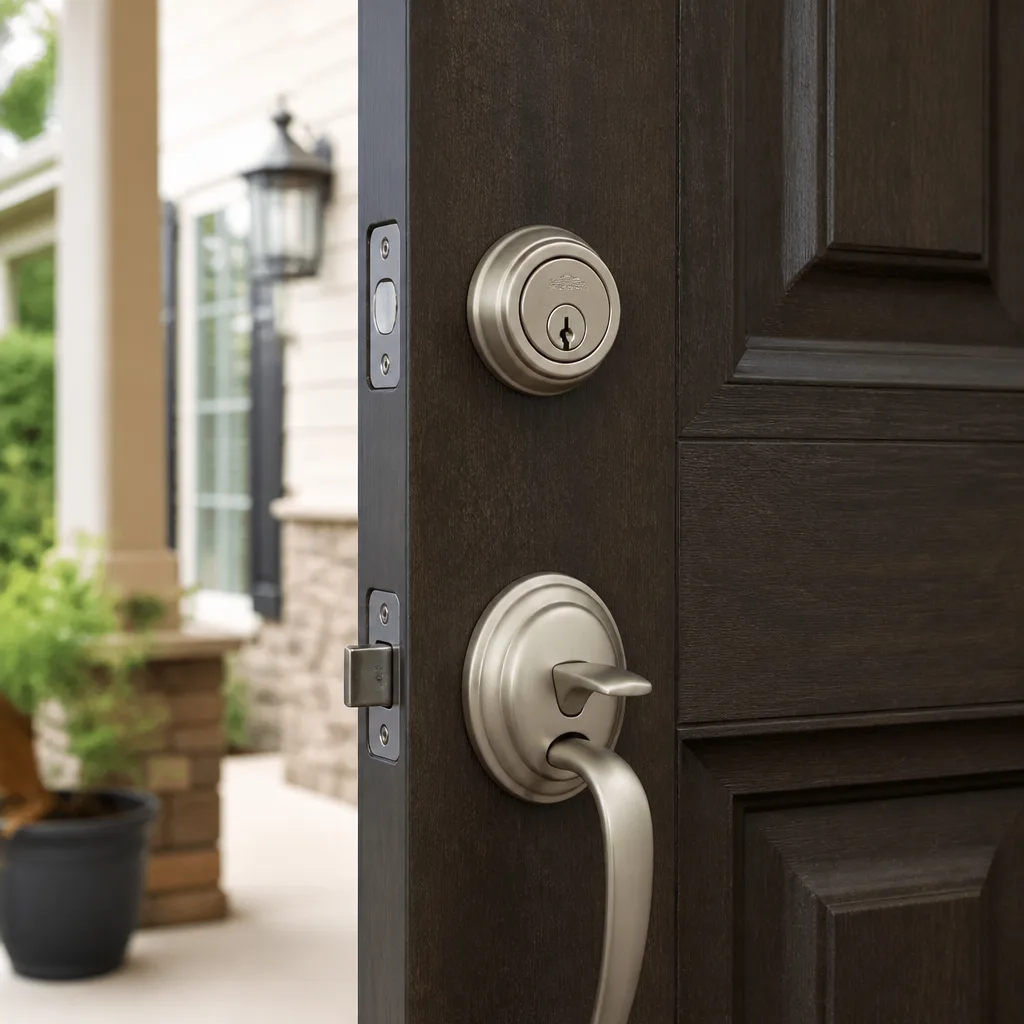 Deadbolt upgrades
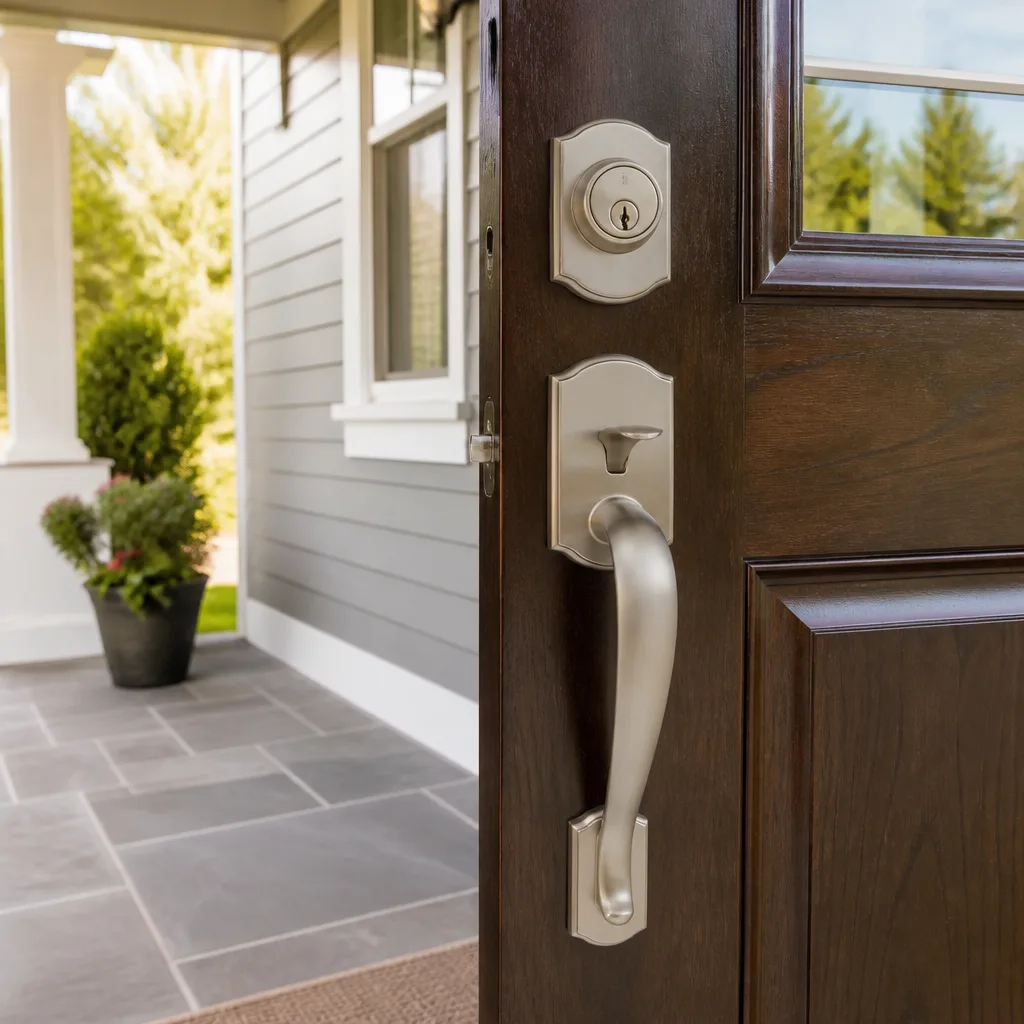 Schlage
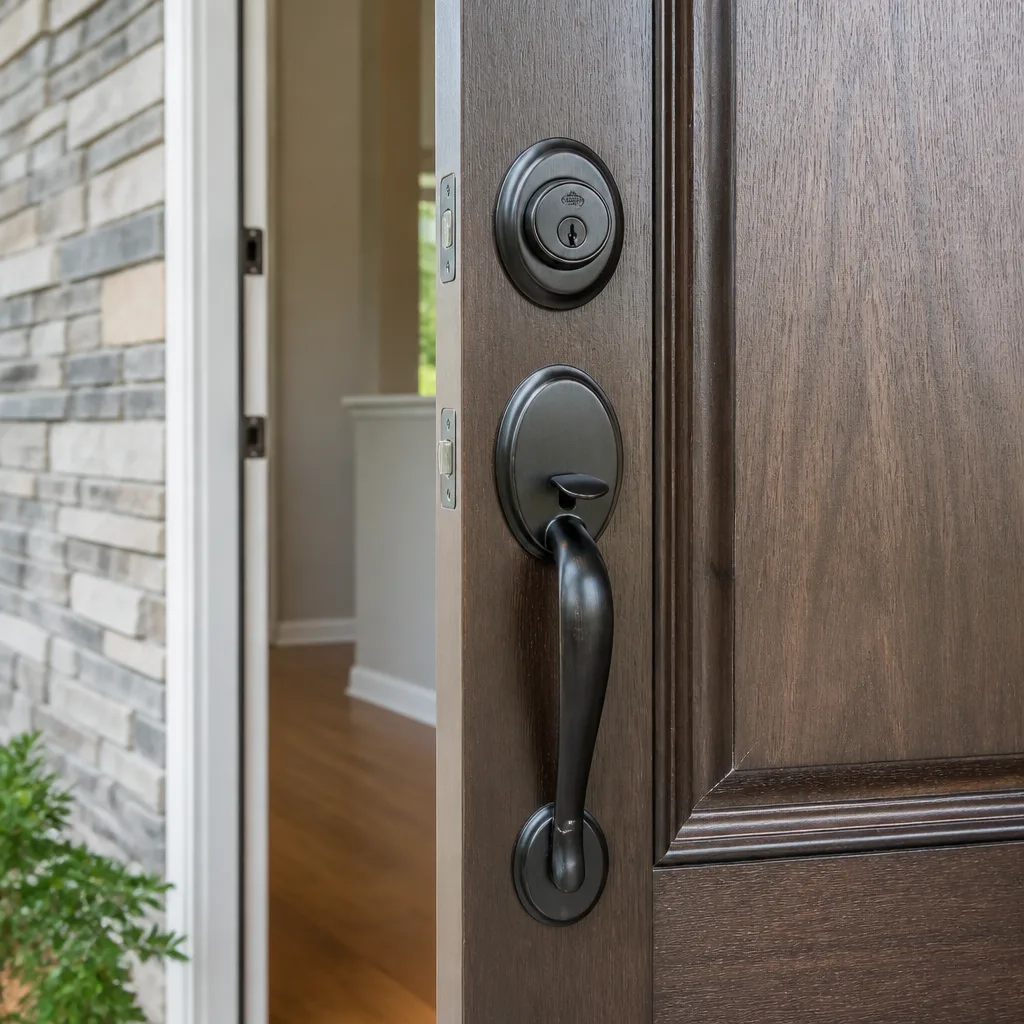 Kwikset
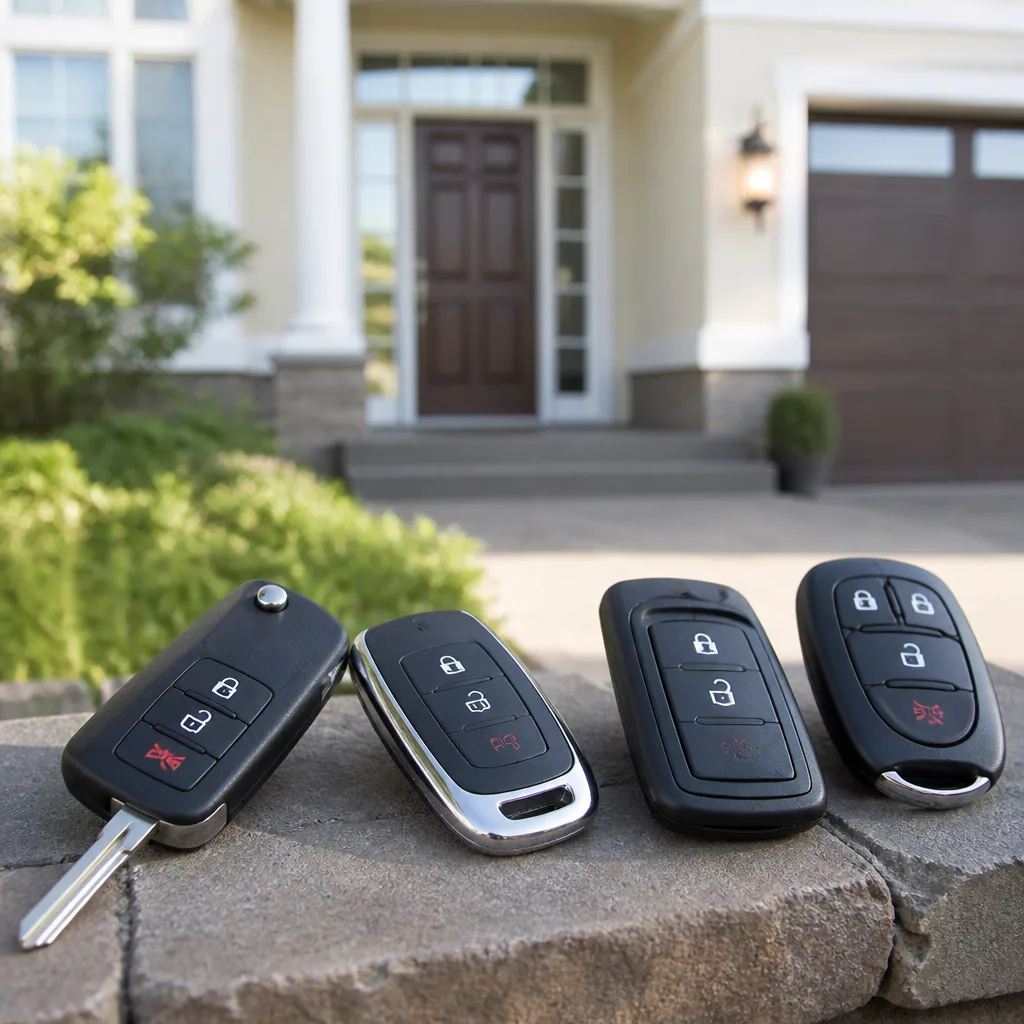 Car keys & fobs
Non-destructive entry first, always - and we re-key Schlage, Kwikset, and Baldwin locks on the spot while you watch
You get a price before we start. It does not change when we arrive. No surprises.
Get your free estimateLocksmith Emergency Preparedness Guide for Glendale Homes
Glendale households keep earthquake kits, fire extinguishers, and evacuation plans ready for the disasters that make headlines. But a 6.0 earthquake can shift a door frame by three millimeters, enough to bind a deadbolt that worked fine yesterday and leave you unable to enter or exit your home in the hours when you need access most. Statistically, the emergency you’re far more likely to face in Glendale isn’t the big one. It’s a snapped key in the ignition, a deadbolt that seizes after a minor tremor, or a smart lock that goes dark when the backup battery dies. This guide builds a locksmith-specific emergency protocol into the preparedness routine you already have, covering exactly what to audit, what to store, and what to do in the first ten minutes when access fails.
Styles & brands we work with
Quick Answer
Locksmith emergency preparedness for Glendale homes means auditing your existing locks for post-earthquake vulnerability, storing a programmed spare car key off-vehicle, saving a verified BSIS-licensed Glendale locksmith’s number before you need it, and knowing which of your electronic locks have mechanical overrides when power fails. The goal is removing every common point of access failure before it strands you outside your home or car.
Table of Contents
- Audit: Post-Seismic Vulnerability Checklist for Every Lock
- The Spare Car Key Protocol: Program It Before You Need It
- Building a Locksmith Contact Protocol: Verify Before the Emergency
- The First 10 Minutes of a Nighttime Lockout: A Safe Sequence
- Electronic Lock Failure Modes: What Dies First and What Still Works
- Renters vs. Homeowners: Different Priorities, Different Protocols
- Household Communication Plan: Who Has Which Key and Why It Matters
- A 12-Month Lock Maintenance Calendar for Glendale Homes
- Common Mistakes to Avoid
- When to Call a Professional
- Frequently Asked Questions
- The Bottom Line
Audit: Post-Seismic Vulnerability Checklist for Every Lock
Start with the locks you already have, because most Glendale homes have never been checked for the specific failure mode that earthquakes introduce. When a door frame shifts even slightly, the alignment between the deadbolt and the strike plate changes. A deadbolt that throws completely into the strike plate with zero friction is far more resilient to frame movement than one that scrapes or catches. In our experience across Glendale, we regularly see deadbolts with throws that barely extend past the strike plate face, an installation shortcut that leaves them prone to binding after any frame flex.
Walk your home and check these four things at every exterior door:
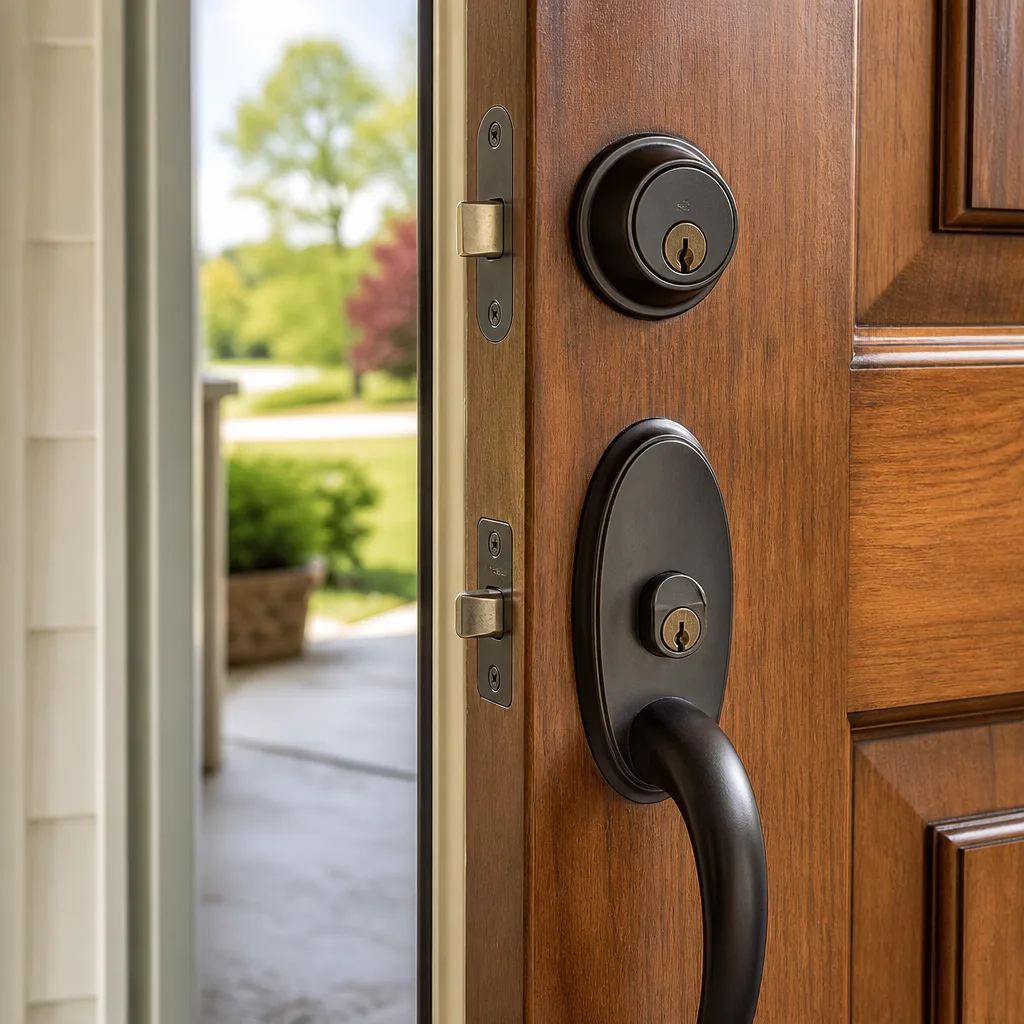
- Deadbolt throw length. A Schlage deadbolt should fully extend its bolt, typically one inch. If yours stops short or grinds against the strike plate, the door frame may already be out of alignment. Fixing this before a tremor means the difference between a working lock and a hard lockout later.
- Strike plate backing. Remove the two screws and look behind the strike plate. If the screws bite into drywall rather than the door frame stud, the plate offers almost no resistance. A three-millimeter frame shift can shear those screws and leave the plate loose, which means the deadbolt has nothing solid to engage.
- Door frame integrity. Push on the closed door with moderate force. Visible movement at the jamb means the frame wasn’t shimmed or anchored properly. In Glendale’s older hillside neighborhoods, we’ve seen door frames that have settled over decades, quietly putting every lock on that door at risk.
- Keyway smoothness. Insert the key slowly and turn it. Any grinding, hesitation, or need to jiggle suggests internal wear in the cylinder, usually a Kwikset or Yale cylinder that hasn’t been lubricated or serviced. That wear becomes a hard failure under stress, meaning the key snaps or the plug seizes exactly when you’re trying to evacuate.
If any of these checks fail, address them now. Replacing strike plate screws with three-inch versions that anchor into the stud costs about ten dollars and takes fifteen minutes. Having a lock rekeyed to restore smooth operation is likewise a low-cost fix. The goal isn’t earthquake-proofing your home. It’s removing the failure points that turn a minor frame shift into an emergency.
The Spare Car Key Protocol: Program It Before You Need It
The most overlooked preparation in Glendale households is the spare car key, which surprises people until they lose their only key on a Sunday night. Most homeowners carry one key for each vehicle, and that key lives on the same ring as the house key. When the ring is lost, stolen, or locked inside the car, everything goes dark at once.
The fix is to have a second programmed key made now, while your original still works, and store it somewhere you can access without needing your primary key. Here’s the specific sequence, because the modern transponder step is what most people get wrong:
- Check your vehicle’s key type. If your car was built after roughly 2000, it almost certainly has a transponder chip embedded in the key head. The days of cutting a $3 metal copy at a hardware store ended with that generation. A cut-only copy will open the door but won’t start the ignition, because the vehicle’s immobilizer won’t recognize the chip.
- Have a replacement key cut and programmed while your original is still functional. Most modern vehicles allow a new key to be paired using an on-board procedure, often involving inserting the original key, then the new key, in a specific sequence. A locksmith with programming equipment handles this in about twenty minutes for most models.
- Test the new key immediately. Verify it starts the ignition and opens the door. Don’t leave the parking lot without confirming both functions.
- Store the spare off-vehicle and off-keyring. A magnetic box under the bumper is a theft risk and won’t survive a car wash. A better system is a sealed bag inside a home safe or a trusted neighbor’s key hook. The point is that losing your primary ring doesn’t strand you.
- Repeat for every vehicle. Households with two cars need two spares, because when one driver loses keys, the other driver’s key doesn’t help.
The cost of a programmed spare key today, even at dealer pricing, is a fraction of what an emergency replacement costs when you have no working key at all. When there’s no original to copy from, the job requires either a tow to the dealer or a locksmith with the diagnostic equipment to pull the key code from the vehicle. That’s a tow fee, a service call, and a new programming cycle, plus the time you’re without a car.
Car key replacement in Glendale handles both ends of this equation: programmed spares made now, and emergency cuts made when no key exists. The preparation side is dramatically cheaper. Plan accordingly.
Building a Locksmith Contact Protocol: Verify Before the Emergency
When you’re locked out at 11 p.m., you will call the first number that appears on your screen. That’s not a decision, it’s a consequence of how urgency works. The preparation step is making sure that first number belongs to someone you’d actually want at your door.
In California, locksmiths are required to be licensed through the Bureau of Security and Investigative Services. The BSIS license number should appear on the company’s website, their vehicle, and their invoice. A company that doesn’t display a license number is either unlicensed or hiding something. Either way, you don’t want them knowing your home’s lock configuration or making keys to it.
Build your contact protocol now, in this order:
- Look up the license. Search the BSIS database for the company name. Confirm the license is active and current. This takes three minutes.
- Save the number in your phone. Use a contact name that starts with “Locksmith” so you can find it in a crisis. Add a note field with the license number and the date you verified it.
- Write the number down. Phones die, get locked inside the house, or get left in the car. Keep the same number on a slip of paper in your wallet and taped inside a kitchen cabinet door.
- Tell one neighbor. If you’re locked out and your neighbor has the number, you have a path to help that doesn’t require your phone at all.
- Ask for the price before dispatch. A legitimate locksmith quotes the full service cost on the phone, including the service call, labor, and any parts. If a company refuses to give a firm price until someone arrives, remove their number from your protocol. That’s a red flag for bait-pricing, which is the most common locksmith complaint we hear about. Emergency locksmith service in Glendale gives a firm quote before anyone is dispatched, and that quote is the price on the invoice.
This protocol takes about fifteen minutes to build. It buys you the one thing you don’t have during a lockout: the ability to choose who shows up.
The First 10 Minutes of a Nighttime Lockout: A Safe Sequence
You’re standing outside your Glendale home at midnight. Your keys are on the kitchen counter. Panic makes people do dumb things, so here’s the safe sequence to run before you call anyone, in order:
- Check every door. Front door, back door, side door, garage entry door, patio slider. In our experience, at least one access point was left unlocked more often than people believe. Check them all before assuming you’re locked out.
- Check every window. Ground-floor windows only, and only ones you can reach without a ladder. Don’t force a window. If it’s locked, it’s locked. The goal here is identifying an open path, not creating one.
- Check the garage. Your garage door opener may have a keypad. If you didn’t set it up, you can’t use it now, but try the keypad with any codes you’ve used before. Also check the garage entry door into the house, which is often unlocked even when the front door isn’t.
- Check for a hidden key. Under the doormat, above the door frame, inside the fake rock, behind the planter. These hiding spots are obvious to you because you set them up. Run the list. If you have a real hidden key, this is the moment it pays for itself.
- Call a neighbor or family member who has a spare. If your household communication plan (covered below) is working, someone else has a key. Call them before a locksmith. It’s free.
- If all of that fails, call your pre-saved locksmith. You’re not in danger, you’re inconvenienced. Stay calm, give the exact address, and wait somewhere visible and safe. Don’t attempt to pick the lock yourself, don’t force anything, and don’t break a window unless there is an actual emergency inside the home, like a stove left on or a child alone.
Forcing entry is almost always more expensive than the locksmith call. Broken windows cost more than lockout service, and a damaged door frame from a shoulder hit can make the original lockout look cheap. You’re paying for access, not for property damage. The sequence above gets you back inside without turning a lockout into a renovation project.
Electronic Lock Failure Modes: What Dies First and What Still Works
Glendale homes increasingly run on electronic entry: keypad deadbolts, smart locks with app control, and garage door openers with rolling codes. Every one of these systems fails in specific, predictable ways, and almost nobody knows which failure mode their own lock has until it’s too late.
Here’s what dies first, system by system:
Battery-powered keypad deadbolts (Schlage, Kwikset, Yale). These locks run on four AA or AAA batteries, typically lasting 8 to 14 months depending on usage. The failure mode is progressive: the motor slows, the keypad gets sluggish, and eventually the lock won’t actuate. Most models have a low-battery warning beep or flashing indicator in the weeks before failure, but people routinely ignore it. The critical question is whether your keypad deadbolt has a mechanical key override. Schlage and Kwikset keypad models include a physical keyway. Some Yale models do, and some do not. If your lock has no keyway and runs only on the keypad, a dead battery means you’re locked out, full stop. Know which type you own and keep the mechanical key on your ring, not in a drawer.
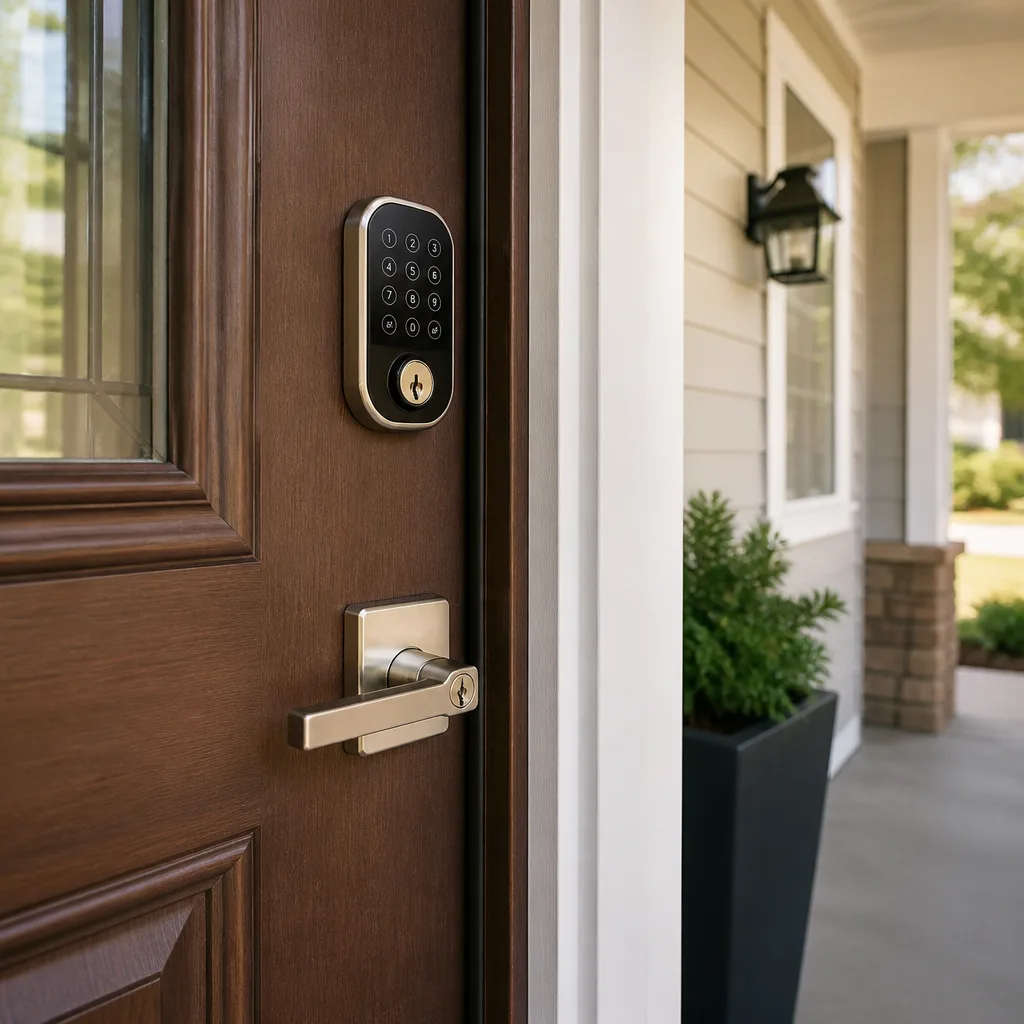
Smart locks with app or Wi-Fi control. A power outage doesn’t directly kill a battery-powered smart lock. The lock’s local operation, like entering a user code, keeps working because it runs on batteries. What dies is remote access: when your router has no power, you can’t lock or unlock from your phone, you can’t get notifications, and you can’t check status. If you rely on app-only access without a physical key backup, a power outage plus a dead phone equals no entry. The protocol is simple: every smart lock in your home needs a mechanical key stored somewhere accessible, and at least one family member needs to know where it is.
Hardwired or hub-dependent systems. Some access control setups connect to a central hub, and some hubs have battery backup and some don’t. When the hub dies, all connected locks typically revert to manual key operation, which is fine if you have keys and a problem if you don’t. If you installed an electronic system and threw away all the physical keys, fix that now.
For every electronic lock in your home, run this backup check:
- Does it have a keyway? If yes, find the key and put it on a ring you carry or store securely off-site.
- Does it have a 9-volt emergency terminal on the exterior? Many keypad deadbolts do. This lets you jump-start the lock with a fresh 9-volt battery held against the terminals. If your lock has this, put a 9-volt in your glove box and in your emergency kit.
- When did you last change the batteries? If it’s been more than a year, change them now. The cost of four AAs is not the conversation you want to have at 2 a.m.
The theme here is mechanical override. Every electronic lock needs one, and you need to know where it is. If your electronic lock has no mechanical key, you have a single point of failure, and it will eventually fail.
Renters vs. Homeowners: Different Priorities, Different Protocols
Preparedness looks different depending on whether you own the walls or just live inside them.
Homeowners in Glendale control their hardware, which means you can change locks, add deadbolts, and install better strike plates without asking anyone. Your protocol should prioritize the structural items: strike plate anchoring, deadbolt throw length, and frame integrity, all covered in the audit section above. You should also keep a record of every lock brand and cylinder type in your home, because a Medeco or high-security cylinder rekey costs more than a standard Kwikset, and knowing what you have lets you get accurate phone quotes.
Renters in Glendale face a different set of risks. You typically can’t rekey locks without landlord permission, which means you don’t actually know who has keys to your unit. Previous tenants, their partners, the landlord’s family, a maintenance worker: any of them may hold a working copy for a lock that was never rekeyed after move-in. The most underused tenant right in California is requesting a rekey or lock change upon moving in, which many landlords will authorize at tenant expense. Rekeying locks in Glendale runs far less than replacing them, which makes it an easy ask. If your landlord refuses, at minimum ask who holds keys and document the answer. And never hide a key anywhere on the property if you don’t control who has accessed the unit before you.
Both groups share one protocol: save the verified locksmith number. Renters are actually more likely to experience lockouts, because they can’t change locks, can’t add spares, and often share entry points with neighbors.
Household Communication Plan: Who Has Which Key and Why It Matters
Every preparedness guide talks about food and water. Almost none address key distribution, which is the access-control equivalent of an evacuation route. Here’s the five-minute plan:
- Inventory every key in the household. House keys, car keys, garage keys, mailbox keys, side gate keys. Write them down. Most households have never listed their own keys and can’t say who holds what.
- Decide who holds spares. A family member in Glendale, a neighbor you trust, a close friend within ten minutes. Each spare holder should have a labeled key, which means writing “Front Door” or “Garage” on the key itself with a permanent marker or a tag.
- Set up a standing rule. When someone in the household loses a key, the protocol is: call the other holders, confirm possession of spares, and decide whether to rekey. A lost house key that someone picks up off the ground doesn’t have an address on it, so the risk is lower than people imagine. But a lost key with a car dealership tag or an attached address label changes that equation entirely.
- Test the plan once. Pick a Saturday, send one family member out without keys, and run the sequence: call the neighbor, retrieve the spare, get back inside. If it takes more than fifteen minutes, the plan needs adjustment.
The point of this exercise isn’t paranoia. It’s that a lockout is a coordination problem as much as a mechanical one, and coordination fails when nobody knows who holds what. Five minutes of documentation fixes it permanently.
A 12-Month Lock Maintenance Calendar for Glendale Homes
Locks fail slowly, and almost every hard failure was preceded by weeks of warning signs that got ignored. A yearly rhythm, five minutes per month, catches them.
January: Test every exterior lock with its key. Note any grinding or hesitation. Lubricate cylinders with graphite or a PTFE-based dry lube, never WD-40, which attracts dust and gums up the pins over time.
April: Check all electronic lock batteries. Replace any that are over a year old. Test the 9-volt emergency terminals if your locks have them.
July: Inspect strike plates and screws. Tighten anything loose. Replace short screws with three-inch anchors on any door that shows movement.
October: Test the household communication plan. Verify that spare keys are still where they should be and that the neighbor or family member still has them. Update the written key inventory.
The annual cost of this schedule is about forty dollars and one hour total. The alternative is finding out your lock has been failing for six months on the evening you can’t get in.
Common Mistakes to Avoid
- Hiding a key in the obvious places. Under the mat, above the door frame, or in the fake rock within three feet of the door are the first places anyone checks. If you’re going to hide a key, hide it somewhere that takes more than thirty seconds to find, or better, give it to a person instead of a hiding spot.
- Ignoring a sticky lock because it still works. A cylinder that grinds or sticks is a cylinder that’s wearing out. It will fail completely at some point, and that point will be inconvenient. Fixing it today is a rekey or lubricate call. Fixing it later is a lockout or a snapped key.
- Assuming a hardware store key copy will start your car. Post-2000 vehicles with transponder chips need programming, not just cutting. A cut-only copy opens the door and does nothing else. If you’ve been carrying one as your spare, you don’t actually have a spare.
- Waiting to find a locksmith until you need one. The lockout itself is not the time to research BSIS licenses and read reviews. That work takes fifteen minutes now and pays off at the worst possible moment later.
- Believing a smart lock has no failure mode. Batteries die, routers lose power, and app access goes down. If your smart lock has no mechanical key override, it has a hard failure mode that will eventually trigger. Every electronic lock needs a physical key backup.
- Breaking a window to save a service call. A broken window costs more than a locksmith, and it leaves your home unsecured until the glass is replaced. Forcing entry is almost never the cheaper path.
- Never rekeying after moving in. Glendale homes change hands constantly, and previous owners or tenants can hold working keys for years. A $65 to $150 rekey is cheap insurance against a key you don’t know exists. See our rekey locks in Glendale page for how this works with existing hardware.
When to Call a Professional
Some situations are DIY territory: lubricating a sticky cylinder, replacing a strike plate screw, testing a spare key. Others are not. If a key snaps in the ignition, don’t dig at it with tweezers, which typically pushes the broken piece deeper and turns a $120 extraction into a full ignition cylinder replacement. If a deadbolt binds after a tremor and the door won’t open at all, the problem is frame alignment, not the lock, and forcing it will damage the door, the frame, or both. If you’ve lost all keys to a vehicle with a transponder system, you need a locksmith with programming equipment, not a tow truck. In any of these cases, call before you force anything. Glendale Lock & Key offers free estimates in Glendale, call (855) 791-2710, and a technician walks you through the repair scope on the phone before anyone is dispatched.
Frequently Asked Questions
A residential lockout in Glendale typically runs $75 to $180 depending on time of day and lock complexity, while a car key replacement with transponder programming usually spans $150 to $350. A rekey of standard residential cylinders, like Kwikset or Schlage, ranges from $65 to $150. The price you’re quoted on the phone should be the price on the invoice. Glendale Lock & Key gives a firm quote before anyone is dispatched. Call (855) 791-2710 for an exact quote on your specific lock or vehicle.
Ask for the BSIS license number and verify it against the California Bureau of Security and Investigative Services database. A licensed locksmith displays that number on their website, vehicle, and invoice. Anyone unwilling to provide a license number should be removed from your call list immediately.
Most vehicles built after roughly 2000 have a transponder chip in the key head that requires programming to match the vehicle’s immobilizer. A cut-only copy will open the door but won’t start the engine. A locksmith with programming equipment can cut and program a new key in most cases without a tow.
Yes. Rekeying replaces the internal pins inside the cylinder so old keys stop working, while keeping the same hardware on the door. It’s significantly cheaper than replacing locks and works for most residential brands including Kwikset, Schlage, Yale, and Baldwin. Rekeying in Glendale is typically done in a single visit.
Check whether the lock has a mechanical key override or a 9-volt emergency terminal on the exterior. Most Schlage and Kwikset keypad deadbolts have both. If your lock has neither, you’re locked out and need a locksmith. This is why every electronic lock should have a physical key backup stored somewhere accessible.
It should be, and at Glendale Lock & Key it is. The quote you get before dispatch covers the service call, labor, and standard parts for the job as described. If anything unexpected is discovered after arrival, it’s discussed and approved before work continues. No call-out surcharge gets added when the technician shows up. Call (855) 791-2710 for a free estimate.
The Bottom Line
Glendale’s emergency culture is built around earthquakes and fires, and rightly so. But the access emergency is more frequent, cheaper to prevent, and almost entirely unplanned for. The protocol comes down to four moves: audit your locks for throw length, strike plate anchoring, and frame integrity. Store a programmed spare car key off-vehicle and off-keyring. Save a verified BSIS-licensed locksmith number in your phone and on paper. And map the failure modes of every electronic lock you own before the battery dies. Do those four things and you’ve removed the most common ways Glendale residents get locked out. Skip them and the next lockout won’t be a surprise to your locksmith, just to you.
Glendale Lock & Key home covers the full range of residential and automotive locksmith work, from rekeys to emergency lockouts to programmed transponder keys, across Schlage, Kwikset, Medeco, Yale, Baldwin, Mul-T-Lock, Sargent, and Abloy hardware.
Written by the team at Glendale Lock & Key, serving Glendale since 2018.